
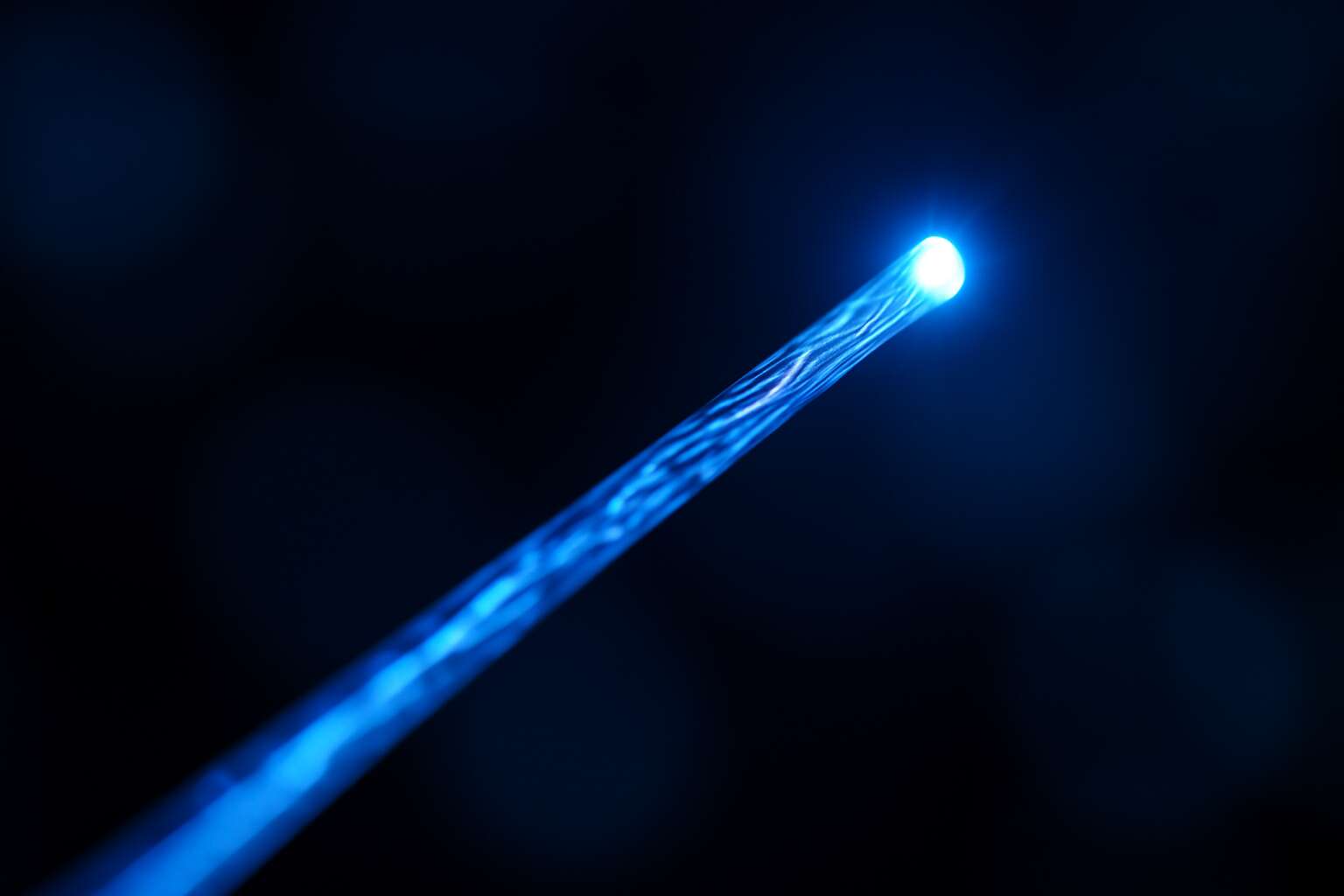
Fibre Optic Origins and History
Foundations and Pioneering Work
Across the globe, networks sped up when glass became the message carrier. In the 1970s, data rates jumped from kilobits to megabits per second, and the world suddenly looked a lot faster!
This is the fibre optic origin story—how scientists turned transparent threads into high-speed highways. Foundational work showed light could glide through ultra-pure glass with far less loss than copper cables, opening up long-distance communication.
- Narinder Kapany popularised the term fibre optics and helped frame the field.
- Charles K. Kao and team demonstrated low-loss silica fiber, earning Nobel-worthy recognition.
- Bell Labs and Corning pioneered practical, long-distance fiber links, turning theory into global networks.
From those early days, South Africa’s connectivity evolved into a backbone that powers telecommunications and innovation.
Fundamental Principles and Core Technologies
Light travels with a quiet resolve, and in South Africa it powers the networks from Cape Town to Limpopo. This fibre optic origin—when glass began carrying our conversations at the speed of thought—turned tiny threads into global highways.
Fundamental principles and core technologies keep that promise intact. Light is trapped by total internal reflection within a flawless silica core, riding a cladding layer of lower refractive index. Precise dopants tune the index and the fibre is manufactured to vanish attenuation as distance grows.
- Ultra-pure silica and dopant control
- Core–cladding design and refractive index profiling
- Coatings, polishing, and precision manufacturing to minimize loss
Today, South Africa’s connectivity backbone—cities, towns, and data centres—draws on these principles to deliver reliable links across the continent. The fibre optic origin keeps evolving as new materials and designs push capacity, resilience, and reach even further, shaping our digital landscape.
Adoption in Telecommunications and Related Industries
More than half of South Africa’s fixed broadband traffic now travels on fibre, a quiet revolution powering Cape Town cafés and Limpopo data centres alike. The fibre optic origin isn’t a dusty museum relic; it’s the stubborn backbone moving our conversations at the speed of thought. Adoption in telecommunications and related industries shifted from tinkering to nationwide rollout, stitching campuses, enterprises, and regional networks into one coherent pulse.
- Long-haul and submarine cable ecosystems
- Enterprise and data-centre interconnects
- Mobile backhaul and 5G fronthaul
Here in SA, the journey continues as new materials and designs push capacity, resilience, and reach even further.
Future Trends and Innovations in Fibre Optics
From the fibre optic origin, light learned to travel as if written in water—tremulous, precise, unstoppable. I have watched that history flicker in the hum of Cape Town cafés and the glow of Limpopo data centres, where glass threads carry conversations, memories, and ambitions at the speed of thought.
Future trends arrive not as flashes but as patient refinements: bend-tolerant fibres that drape across rugged landscapes, hollow-core designs that slash latency, and smarter networks that stitch campuses, towns, and shores into one luminous fabric.
- Photonic integration and compact transceivers that pack more power into smaller devices
- Advanced materials for higher capacity, lower loss, and bend tolerance
- Sustainable, energy-efficient submarine and terrestrial links that traverse our continent


0 Comments