
Understanding Fibre Optic Cables
Definition and Overview
Fibre optic cables are the backbone of our modern data-driven world, transforming the way we connect and communicate at the speed of light. The fibre optic cable 9 125, in particular, stands out as a reliable workhorse for high-capacity networks. Unlike traditional copper wires that struggle with bandwidth and signal degradation, fibre optic technology utilises pulses of light to transmit data over vast distances with minimal loss. It’s like the internet’s secret ingredient, making streaming, cloud computing, and remote work smoother than ever.
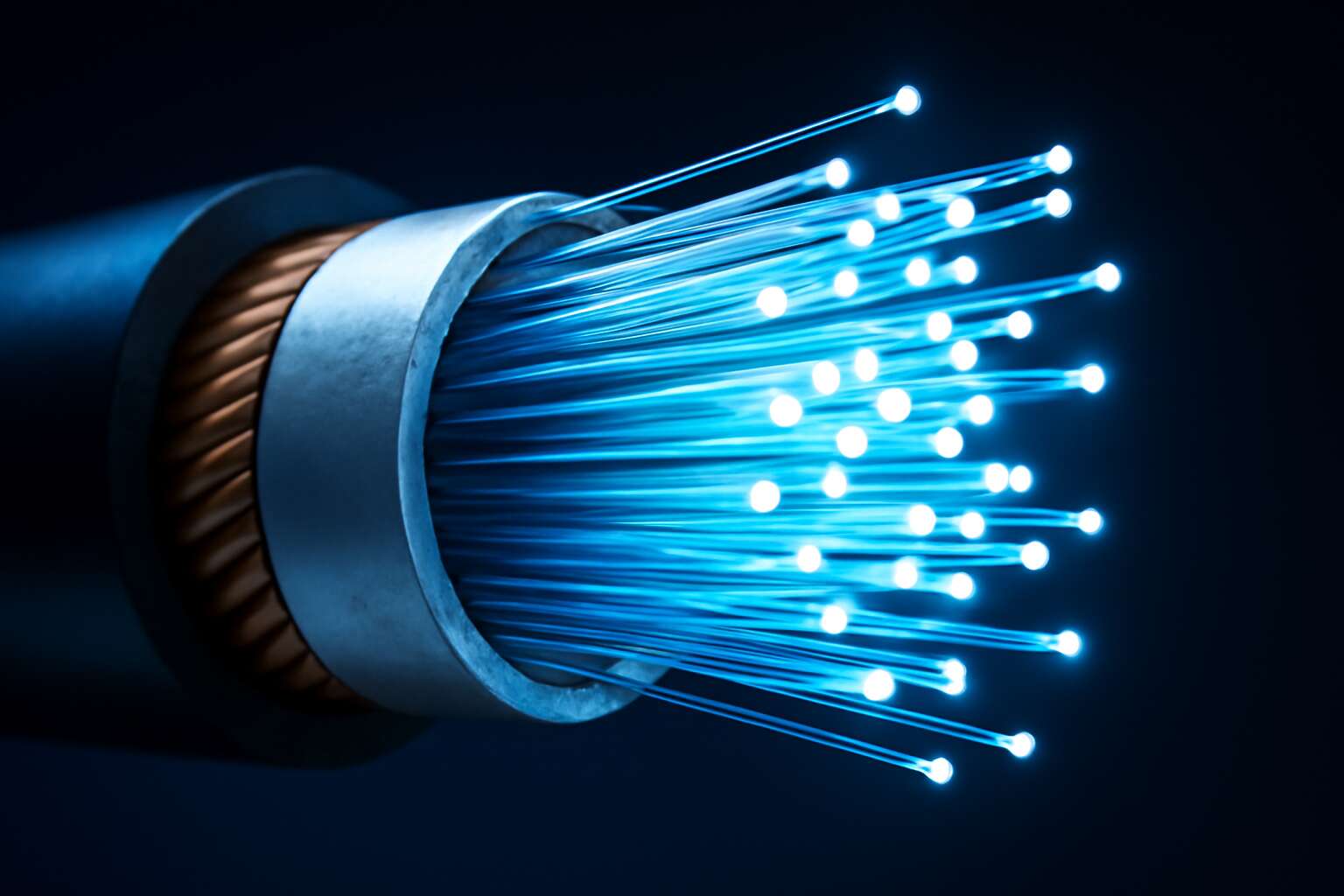
Understanding what sets the fibre optic cable 9 125 apart begins with recognising its core components. It features a glass or plastic core surrounded by protective cladding, both designed to ensure light signals stay on course. This specific specification, 9 125, indicates a core diameter of 9 microns with a cladding diameter of 125 microns—an optimal size for maintaining signal integrity. For those seeking high-speed, long-distance connectivity, this cable type offers impressive performance characteristics, making it a popular choice among network architects who prefer their data fast and fuss-free.
Types of Fibre Optic Cables
Fibre optic cables are a marvel of modern connectivity, transforming the way data journeys across global networks. But did you know there are several types of fibre optic cables, each tailored for specific environments and needs? Understanding these variations can unlock a new realm of possibilities for high-capacity networks.
The most common types include single-mode and multi-mode fibres, each with unique characteristics. The fibre optic cable 9 125, for instance, is predominantly found in single-mode variants, where its slender core allows light to travel vast distances with minimal loss. Meanwhile, multi-mode cables, with their larger cores, excel in shorter, high-bandwidth settings, offering versatility for data centres and enterprise networks.
Within these categories, the choice of cable depends on factors like distance, bandwidth, and environmental conditions. For example, the fibre optic cable 9 125 is renowned for its robustness and long-distance performance, making it a favourite among network architects seeking reliable, high-speed connections. Whether installed underground or within data centres, selecting the right type of fibre optic cable is crucial to ensuring seamless, future-proof communication.
Key Components of Fibre Optic Cables
Understanding the key components of fibre optic cable 9 125 is vital for appreciating its performance and reliability. At its core, this type of fibre features a slender 9-micron core that carries light signals with remarkable efficiency over long distances. The core is protected by a cladding layer, which ensures total internal reflection and minimal signal loss. Surrounding these components are protective jackets that shield the delicate fibres from environmental damage, making the fibre optic cable 9 125 suitable for diverse installation environments.
Inside the cable, structural elements like strength members and buffer tubes provide added durability and flexibility. These features prevent bending and external stress from compromising signal integrity. When selecting a fibre optic cable 9 125, it’s essential to consider these components because they directly influence the cable’s capacity to handle high bandwidth and long-distance data transmission. Understanding how these elements work together can make the difference between a reliable network connection and one prone to failure.
What is Fibre Optic Cable 9 125?
Definition and Specifications
Fibre optic cable 9 125 represents a standardised dimension that epitomises precision in the realm of high-speed data transmission. Its nomenclature—’9 125’—refers to the core and cladding diameters measured in micrometres, with a 9-micrometre core encased within a 125-micrometre cladding. This configuration is fundamental to the cable’s ability to transmit light signals over vast distances with minimal loss and electromagnetic interference. The fibre optic cable 9 125 is renowned for its exceptional bandwidth capacity, making it a cornerstone of modern telecommunications and internet infrastructure.
In practical terms, the specifications of fibre optic cable 9 125 include not only its core and cladding sizes but also its attenuation rate, bandwidth, and durability. These attributes ensure that the cable can support both short-range high-speed data transfers and long-haul communications. Its versatility has seen it become a preferred choice in environments where reliable, high-fidelity signal transmission is paramount. The technology behind fibre optic cable 9 125 exemplifies a blend of optical physics and engineering ingenuity, offering a glimpse into the future of global connectivity.
Standards and Ratings
Fibre optic cable 9 125 is the backbone of modern high-speed networks, often regarded as the gold standard for long-distance data transmission. Its precise dimensions—9 micrometres for the core and 125 micrometres for the cladding—are not arbitrary; they are the result of meticulous engineering designed to optimise light propagation. This configuration ensures minimal signal loss and immunity to electromagnetic interference, making it indispensable for critical communication infrastructures.
Standards and ratings for fibre optic cable 9 125 are rigorously defined by international bodies, ensuring consistency across applications. These standards cover aspects such as attenuation rates, bandwidth capacity, and durability under various environmental conditions. Notably, the cable’s high bandwidth capacity—often exceeding several terabits per second—positions it as a linchpin in the evolution towards faster, more reliable internet services. Its resilient construction and adherence to rigorous standards guarantee performance, whether deployed in metropolitan networks or remote long-haul links.
Typical Applications
Fibre optic cable 9 125 is the backbone of high-speed data transmission, seamlessly connecting vast networks across cities and continents. Its slender core, just 9 micrometres in diameter, is encased in a 125-micrometre cladding—an engineering marvel that maximises light transmission efficiency. This design ensures minimal signal loss, allowing data to travel longer distances at blazing speeds. The resilience and precision of fibre optic cable 9 125 mean it’s the preferred choice for environments demanding high bandwidth and reliability.
Typical applications for fibre optic cable 9 125 span a diverse array of critical sectors. It’s widely deployed in metropolitan area networks (MANs), connecting data centres with rapid, secure links. Telecommunications providers rely on it for long-haul backbone infrastructure, supporting the internet’s relentless growth. Additionally, sectors like healthcare, finance, and broadcasting utilise fibre optic cable 9 125 for high-capacity data transfer, ensuring seamless service delivery and real-time communication. Its adaptability and performance make it a vital component in building the digital landscape of tomorrow.
Features and Benefits of Fibre Optic Cable 9 125
High Bandwidth and Speed
In a world where data flows faster than gossip at a garden party, fibre optic cable 9 125 stands out as a paragon of high bandwidth and speed. Unlike traditional copper wires, this marvel of modern engineering leverages light to transmit information at astonishing velocities, ensuring that your digital communications are as seamless as a well-rehearsed opera. The fibre optic cable 9 125’s capacity to handle vast amounts of data with minimal latency makes it indispensable for organisations craving rapid, reliable connectivity.
One of the key features that elevates fibre optic cable 9 125 is its remarkable ability to maintain signal integrity over long distances. This ensures that even the most data-intensive tasks—think 4K streaming or cloud computing—are executed without a hiccup. Its high bandwidth capacity translates directly into benefits such as improved network performance, reduced downtime, and the flexibility to scale operations effortlessly.
- Exceptional data transfer rates
- Low attenuation and interference
- Enhanced security features due to light transmission
In essence, the fibre optic cable 9 125 combines technological elegance with practical prowess—making it the choice of discerning professionals who understand that speed and reliability are not merely luxuries, but essentials in today’s digital age.
Long-Distance Data Transmission
Fibre optic cable 9 125 is a marvel of modern communication technology, unveiling a world where data flows with unmatched clarity and speed. Its exceptional ability to transmit large volumes of information over long distances makes it a cornerstone for organisations seeking reliable connectivity. The key features of fibre optic cable 9 125 include low attenuation, resistance to electromagnetic interference, and heightened security—each playing a vital role in safeguarding your digital information.
One of the most compelling benefits of fibre optic cable 9 125 is its impressive data transfer rates — capable of handling vast streams of information seamlessly. Its design ensures minimal signal loss, even over extensive stretches, which means that your network remains robust and efficient. This resilience not only boosts performance but also reduces downtime, ensuring your operations run smoothly and without interruption.
For organisations that demand scalable solutions, fibre optic cable 9 125 offers remarkable flexibility. Its high bandwidth capacity supports future upgrades and expanding data needs without the hassle of replacing infrastructure. Whether your goal is to support 4K streaming, cloud computing, or large-scale data centres, fibre optic cable 9 125 is engineered to meet those demands with ease.
Furthermore, the inherent security of light transmission in fibre optic cable 9 125 provides peace of mind. Unlike traditional copper cables, it is virtually immune to hacking and eavesdropping, making it an ideal choice for sensitive information. Its durable construction also means it withstands environmental challenges, ensuring long-term, reliable service that keeps your digital world spinning smoothly.
Durability and Flexibility
Fibre optic cable 9 125 stands as a testament to resilience and adaptability in the realm of network infrastructure. Its durability is woven into every fibre, crafted to withstand environmental rigours and the unpredictable twists of installation. This robustness ensures that your investment remains steadfast, even in challenging conditions—be it harsh weather or demanding industrial environments.
Moreover, the flexibility of fibre optic cable 9 125 unlocks a world of possibilities. Its design allows for intricate routing through complex architectures, bending and manoeuvring without compromising performance. This means that whether you’re weaving it through bustling cityscapes or expansive data centres, the cable adapts seamlessly to your needs.
To illustrate, consider its remarkable features:
- High tensile strength for enduring installation stresses
- Excellent bend radius, maintaining signal integrity during tight turns
- Resistance to chemical corrosion and environmental wear
Such attributes make fibre optic cable 9 125 an indispensable component for organisations seeking not just speed, but enduring reliability. Its resilience combined with flexibility ensures a future-proof foundation, ready to support evolving digital landscapes with unwavering grace and performance.
Minimal Signal Loss
When it comes to fibre optic cable 9 125, minimal signal loss is a game-changer. This fibre optic cable design ensures that data travels seamlessly over long distances without degradation, keeping your network fast and reliable. Its core technology reduces attenuation, meaning your signal stays strong from start to finish, even across sprawling industrial complexes or urban landscapes.
One of the standout features of fibre optic cable 9 125 is its ability to maintain high signal integrity during complex installations. Whether navigating tight bends or intricate routing, this cable preserves performance without sacrificing durability. This is achieved through its precisely engineered bend radius and high-quality materials, safeguarding your data transmission against potential interference or signal degradation.
Furthermore, the benefits of fibre optic cable 9 125 extend beyond performance. Its resistance to environmental factors—such as chemical corrosion and temperature fluctuations—ensures consistent operation in challenging settings. For organisations eager to future-proof their infrastructure, this cable offers peace of mind, combining high-speed capabilities with unwavering reliability. The result? An investment that not only meets today’s demands but is ready for tomorrow’s digital evolution.
Immunity to Electromagnetic Interference
In an era where electromagnetic interference (EMI) can compromise entire communication networks, the immunity of fibre optic cable 9 125 to such disruptions is nothing short of revolutionary. Unlike traditional copper cables that are vulnerable to external noise, this fibre optic cable harnesses light instead of electricity, rendering EMI practically irrelevant. This means your data remains pristine, regardless of the electromagnetic chaos that might be swirling nearby.
The inherent resistance of fibre optic cable 9 125 to environmental noise sources ensures unwavering signal integrity, even in electrically noisy environments such as industrial plants or densely populated urban centres. This immunity not only bolsters performance but also simplifies installation — fewer shielding requirements and less concern about interference translate into cost savings and operational peace of mind.
Moreover, the resilience of fibre optic cable 9 125 extends beyond electromagnetic interference. Its robust construction withstands temperature swings, chemical exposure, and physical stress, making it a choice that combines technological sophistication with rugged durability. It’s an investment that future-proofs your network infrastructure, providing reliable high-speed connectivity in any setting.
Installation and Maintenance
Installation Best Practices
In the intricate dance of installing fibre optic cable 9 125, precision is paramount. The silent artistry of threading through conduits demands not only careful handling but an almost poetic patience. As the backbone of modern connectivity, fibre optic cable 9 125 transforms the mundane into marvel, but only through adherence to best practices can its luminous potential be fully realised.
When embarking on installation, ensure the cable’s delicate core remains unblemished—avoid sharp bends or excessive tension that could compromise signal integrity. Employ proper support systems, such as cable trays and protective conduits, to safeguard against environmental stressors. An essential step is to perform meticulous testing post-installation, verifying minimal signal loss and optimal performance, especially over long distances where tiny imperfections resonate loudly.
To streamline the process, consider this foundational approach:
- Plan the route with an eye for gentle curves, respecting the recommended bending radius for fibre optic cable 9 125.
- Use specialised tools designed for fibre handling, avoiding unnecessary stress on the cable’s core.
- Document the installation thoroughly to facilitate future maintenance or upgrades.
Regular maintenance of fibre optic cable 9 125 involves inspecting for physical damage, cleaning connectors with fibre-optic-specific tools, and monitoring performance metrics. Through diligent care, these delicate strands continue to weave a tapestry of uninterrupted connectivity, their silent strength echoing the harmonious balance between technology and finesse.
Handling and Storage
Handling and storing fibre optic cable 9 125 requires a delicate touch and an appreciation for its fragile beauty. These slender strands, while remarkably resilient when properly cared for, can be easily compromised if mishandled during installation or storage. The elegance of fibre optic cable 9 125 lies in its capacity to transmit vast amounts of data with minimal signal loss, yet its core remains susceptible to damage from sharp bends or undue tension. Careful handling is essential to preserve its luminous potential.
When storing fibre optic cable 9 125, ensure it is kept in a cool, dry environment, away from direct sunlight and sources of heat. Coiling the cable loosely in designated spools or racks helps prevent stress on the internal fibres. For installation, use specialised tools designed for fibre optic handling—these minimise the risk of microfractures that could impair performance over time.
- Always support the cable with appropriate mounting hardware, avoiding sharp bends that violate the recommended bending radius.
- Perform regular inspections to detect any signs of physical damage, such as cracks or abrasions.
- Clean connectors with fibre-optic-specific cleaning tools, ensuring optimal performance during operation.
By respecting the fibre optic cable 9 125’s inherent delicacy, professionals can uphold its integrity, ensuring that each strand continues weaving a seamless tapestry of connectivity. Proper handling and storage are not mere precautions—they are vital acts of reverence for a technology that encapsulates the delicate dance between innovation and finesse.
Maintenance Tips
In the realm of high-speed connectivity, the installation and maintenance of fibre optic cable 9 125 are tasks imbued with both precision and reverence. Every strand, delicate yet mighty, demands a careful touch to preserve its luminous potential. A single microfracture can diminish its exceptional data transmission capabilities, making meticulous handling during installation absolutely vital.
When maintaining fibre optic cable 9 125, regular inspections are essential. Look out for signs of wear such as cracks, abrasions, or discolouration. Cleaning connectors with fibre-optic-specific tools ensures optimal performance, preventing signal degradation over time. Use gentle, non-abrasive materials—harsh chemicals can compromise the cable’s delicate core.
To streamline installation, consider employing a numbered approach—such as:
- Ensure the cable is supported with appropriate mounting hardware.
- Avoid sharp bends that violate the recommended bending radius.
- Coil the cable loosely on designated spools or racks to prevent undue stress.
Taking these steps transforms the installation process into a dance of finesse, safeguarding the fibre optic cable 9 125’s integrity. With careful maintenance, this slender conduit of innovation continues to weave a seamless tapestry of connectivity—resilient, radiant, and ready to meet the demands of tomorrow’s data-driven world.
Common Issues and Troubleshooting
Even the most expertly installed fibre optic cable 9 125 can encounter issues over time. Common problems such as signal loss, connector contamination, or microbends threaten to impair its luminous performance. Troubleshooting begins with a careful visual inspection—look for cracks, discolouration, or physical damage that might compromise data transmission. Dirt or dust on connectors can cause significant degradation; hence, cleaning with fibre optic-specific tools is essential. A simple step like using a fibre optic cleaning kit can restore optimal signal quality without risking damage to the delicate core.
If problems persist, it might be necessary to test the cable with an optical time-domain reflectometer (OTDR). This device detects faults along the length of the fibre optic cable 9 125, pinpointing areas of attenuation or breakage. When installing new lengths, ensure bends follow the recommended radius—exceeding this can induce microfractures, which are often invisible but degrade performance over time. Remember, a systematic approach to maintenance and troubleshooting can transform frustrating interruptions into seamless connectivity, just like the quiet strength of a rural stream nourishing the land around it.
- Inspect for physical damage or discolouration.
- Clean connectors with fibre optic-specific tools.
- Check for microbends or sharp bends exceeding the recommended radius.
- Utilise OTDR testing to locate faults accurately.
Comparing Fibre Optic Cable 9 125 with Other Cables
versus 50 125
In the crowded arena of cabling options, the fibre optic cable 9 125 stands out with a quiet elegance, but how does it truly compare to other varieties? Unlike traditional copper cables, fibre optic cable 9 125 boasts unparalleled bandwidth and minimal signal degradation, making it the darling of high-speed data transmission. Its slender 9-millimetre diameter, paired with a 125-micron core, ensures a sleek profile without sacrificing performance—a detail that often goes unnoticed but is vital for space-constrained installations.
When juxtaposed with other cables, such as the bulkier multimode or the more fragile singlemode variants, the fibre optic cable 9 125 offers a harmonious blend of durability and flexibility. It’s designed for long-distance communication, with a capacity that outperforms many alternatives, especially in environments prone to electromagnetic interference. For those contemplating a fibre optic cable 9 125 versus other options, consider the following:
- Superior data throughput
- Enhanced resistance to environmental factors
- Space-saving design without performance compromise
In essence, the fibre optic cable 9 125 embodies the art of technical finesse, delivering high-speed connectivity with a finesse that makes even the most sceptical network engineer nod in approval.
versus Copper Cables
In the shadowed corridors of modern communication, the fibre optic cable 9 125 emerges as a spectral whisper of technological prowess. When contrasted with traditional copper cables, its advantages become stark — a vessel of unparalleled bandwidth and minimal signal loss. Copper, once the reigning monarch of data transfer, now pales in comparison to the fibre optic cable 9 125’s ability to transmit high-speed data over long distances, undeterred by electromagnetic interference.
While copper cables remain bulky and susceptible to environmental disturbances, the fibre optic cable 9 125 is slender and resilient, carving a path through the chaos with grace. Its core, cloaked in glass, carries light instead of electrons, offering a silent symphony of efficiency. For those seeking a modern, high-capacity solution, the fibre optic cable 9 125 stands as a testament to the relentless march of innovation, outpacing copper in every spectral measure.
Advantages over Other Types of Cables
In the dynamic realm of telecommunications, the fibre optic cable 9 125 stands as a luminous beacon of innovation, outshining traditional contenders with its spectral grace. Unlike copper cables, which rely on electrons racing through metal, the fibre optic cable 9 125 transmits data via pulses of light within a slender glass core—an elegant dance of photons that traverse vast distances with minimal loss.
Its advantages are manifold: exceptional bandwidth capacity, resistance to electromagnetic interference, and the ability to span long distances without degradation. While copper cables falter amidst electrical noise and require thicker shielding, the fibre optic cable 9 125 remains resilient and unobstructed.
Consider this: the fibre optic cable 9 125 offers a superior solution for high-capacity networks, where speed and integrity are paramount.
- Unparalleled data transmission speeds
- Reduced signal attenuation over extensive lengths
- Enhanced durability in challenging environments
This amalgamation of qualities makes the fibre optic cable 9 125 not just a technological choice but a testament to the relentless pursuit of excellence, carving a luminous path through the chaos of modern communication.
Choosing the Right Fibre Optic Cable 9 125
Factors to Consider
Choosing the right fibre optic cable 9 125 is crucial for ensuring optimal performance and longevity in your network infrastructure. With a wide array of options available, it might seem overwhelming, but understanding the key factors can help simplify the decision-making process.
One of the most important considerations is the core and cladding diameter. The fibre optic cable 9 125, with its 9-micron core and 125-micron cladding, is the industry standard for single-mode applications, offering superior performance over long distances. When selecting a cable, assess the environment where it will be installed. Factors like exposure to extreme temperatures, moisture, or physical stress can influence durability needs.
Additionally, compatibility with existing network equipment is essential. Ensuring the cable’s specifications align with your current infrastructure prevents costly upgrades or replacements down the line.
Here’s a quick checklist to guide your choice:
- Application requirements (long-distance, high bandwidth)
- Environmental conditions and durability needs
- Compatibility with existing hardware
- Standards and certification compliance
By carefully weighing these factors, you’ll ensure the fibre optic cable 9 125 you select delivers reliable, high-performance connectivity tailored to your specific needs.
Compatibility and Connectors
Choosing the right fibre optic cable 9 125 hinges on ensuring seamless compatibility with your existing network infrastructure. The connectors, often overlooked, play a vital role in maintaining signal integrity and ease of installation. For fibre optic cable 9 125, standard connectors such as SC, LC, or FC are commonly utilised, each offering distinct advantages depending on your application.
Compatibility extends beyond just the connectors; it also involves matching the cable’s specifications with your hardware. Ensuring that your switches, transceivers, and patch panels support the fibre optic cable 9 125 type prevents future bottlenecks and costly upgrades. It’s essential to verify that the cable’s core and cladding dimensions align precisely with your equipment requirements, fostering optimal performance over long distances.
When selecting a fibre optic cable 9 125, consider whether the connectors adhere to recognised standards and certifications. This adherence guarantees durability, safety, and compatibility, making your network more resilient. For those seeking flexibility and ease of maintenance, modular connectors and colour-coded coding schemes can simplify installation and troubleshooting, ensuring your fibre optic cable 9 125 remains a reliable backbone for your data transmission needs.
Supplier and Quality Assurance
Choosing the right supplier for fibre optic cable 9 125 is paramount to ensuring a resilient and future-proof network. The market is saturated with options, but not all providers uphold the same standards of quality assurance. A reputable supplier will prioritise rigorous testing, adherence to international standards, and transparent quality control processes.
When evaluating potential vendors, consider their certification credentials—such as ISO 9001 or IEC standards—which serve as a testament to their commitment to excellence. A dependable supplier not only offers high-grade fibre optic cable 9 125 but also provides comprehensive after-sales support and technical guidance.
To streamline your decision-making process, it’s beneficial to look for suppliers that offer detailed documentation—like data sheets and compliance certificates—and maintain consistent quality throughout their inventory. This ensures that your fibre optic cable 9 125 will perform optimally over long distances, delivering the high-speed, minimal signal loss transmission that modern networks demand.
Future Trends in Fibre Optic Technology
Emerging Innovations
As the digital landscape accelerates, the horizon of fibre optic technology is shimmering with groundbreaking innovations. The future of fibre optic cable 9 125 promises not only faster data speeds but also smarter, more adaptable infrastructure that can seamlessly integrate into the fabric of our connected world. Researchers are exploring novel materials and manufacturing techniques that could revolutionise how fibre optic cable 9 125 handles data, reducing latency and enhancing signal integrity over unprecedented distances.
Emerging trends include the development of ultra-thin, flexible fibres capable of bending around complex architectural contours without compromising performance. Additionally, advancements in photonic crystal fibres and mode-division multiplexing are poised to exponentially increase bandwidth capacities. These innovations are paving the way for a new era of high-performance, resilient network solutions—ensuring that fibre optic cable 9 125 remains at the forefront of global connectivity.
- Integration of nanotechnology to improve durability and data capacity
- Enhanced thermally stable coatings for extreme environments
- Adaptive optical components for real-time signal optimisation
With each technological leap, fibre optic cable 9 125 becomes more than just a conduit for data; it transforms into a vital artery powering the future of communication, entertainment, and innovation. The journey towards smarter, faster, and more reliable fibre optics continues to unfold, promising a world where connectivity knows no bounds.
Impact on Network Infrastructure
As the digital era surges forward, the future of fibre optic cable 9 125 promises a revolution that will redefine network infrastructure. Cutting-edge innovations are set to unlock unprecedented data speeds and connectivity resilience, transforming the way we communicate and share information. The integration of adaptive optical components will enable real-time optimisation, ensuring seamless performance even in complex environments.
Emerging trends point towards the development of ultra-flexible, nanotechnology-enhanced fibres that can bend effortlessly around intricate architectural contours without sacrificing signal integrity. This flexibility is crucial for expanding network reach in urban landscapes and remote regions alike. Furthermore, advancements in photonic crystal fibres and mode-division multiplexing are predicted to exponentially increase bandwidth capacities, supporting the insatiable appetite for data.
- Enhanced durability through thermal stability coatings for extreme environments
- Smarter infrastructure with integrated sensors for predictive maintenance
- Increased resilience via novel materials that extend fibre longevity
These innovations will craft a future where fibre optic cable 9 125 is more than a conduit; it becomes an intelligent, adaptable backbone of a connected world, powering everything from entertainment to critical infrastructure. The journey into this brave new landscape is poised to push the boundaries of what is possible in network technology, promising a future where connectivity truly knows no limits!
Sustainability and Eco-friendliness
As the digital landscape accelerates towards an era of unparalleled connectivity, sustainability within fibre optic technology emerges as an urgent and compelling frontier. The future of fibre optic cable 9 125 is not merely about enhanced performance; it’s about embedding eco-friendliness into the very fibre of its evolution. Pioneering innovations are now prioritising the development of environmentally conscious materials and manufacturing processes, reducing the ecological footprint of production while maintaining peak performance.
Manufacturers are exploring biodegradable coatings and recyclable components, aligning fibre optic cable 9 125 with global sustainability goals. These advances are complemented by the integration of renewable energy sources in production facilities and the adoption of circular economy principles. Furthermore, the utilisation of nanotechnology and photonic crystal fibres not only unlock higher bandwidths but also optimise energy efficiency—an essential trait in mitigating the environmental impact of expanding network infrastructures.
- Reduced material wastage through precision engineering.
- Lower energy consumption during operation thanks to advanced thermal stability coatings.
- Enhanced durability diminishes the frequency of replacement, curbing waste and resource depletion.
Incorporating smarter infrastructure with integrated sensors provides real-time data analytics, enabling predictive maintenance that extends the lifespan of fibre optic cable 9 125 while fostering sustainable practices. The confluence of these innovations signals a future where fibre optic cables are not only conduits of information but active participants in global conservation efforts, shaping a resilient, eco-friendly digital future that respects our planet’s delicate balance.

0 Comments