
Safety overview: can fibre optic cable kill you?
What a fibre optic cable is and how it works
Safety overview: can fibre optic cable kill you? In South Africa, the question travels like a whispered legend through boardrooms and data rooms, while light threads its own quiet path with almost mythic certainty.
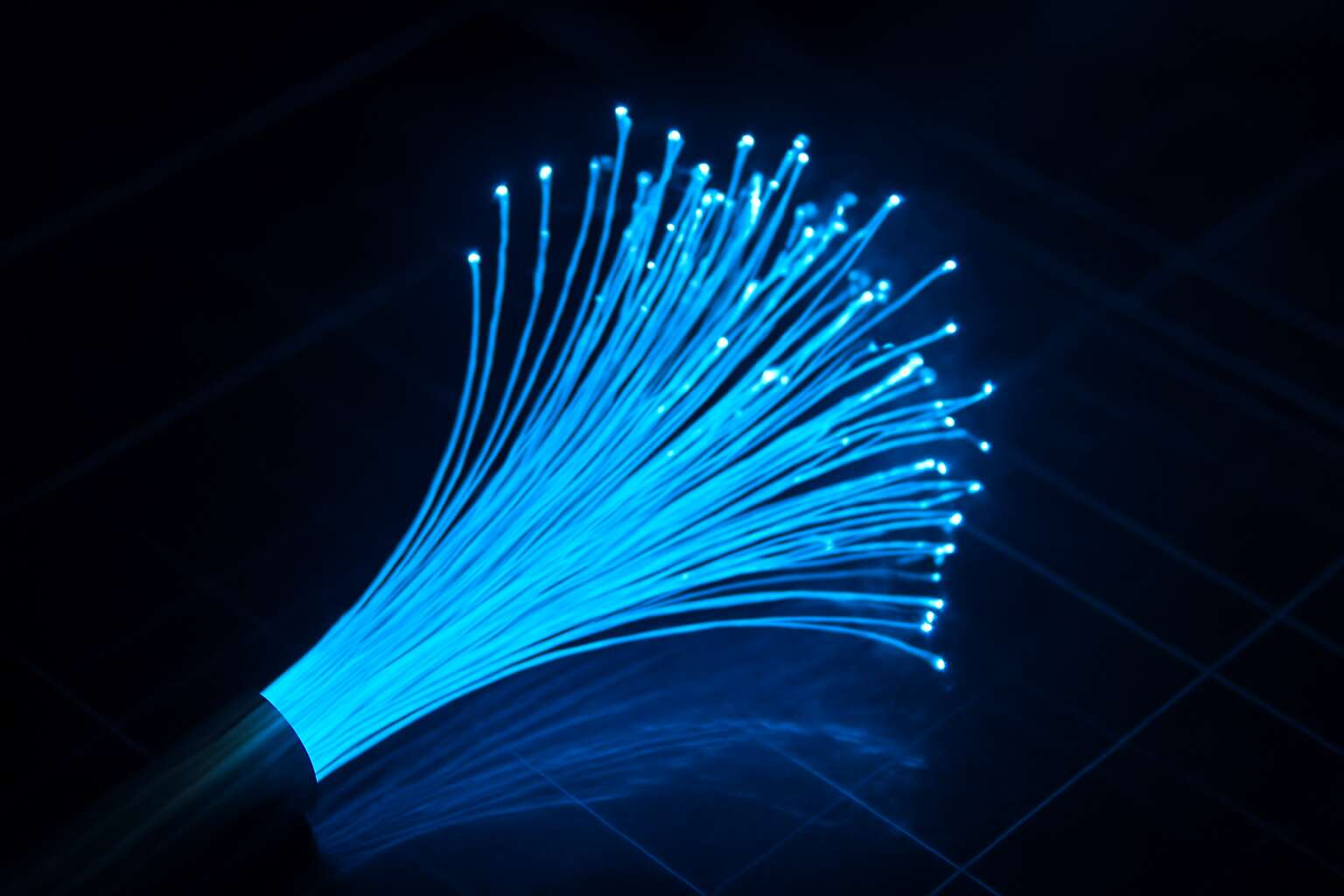
A fibre optic cable is a slender strand of glass or plastic that carries data as pulses of light. The core guides light by total internal reflection, kept in check by the cladding and sheltered by a protective jacket. This architecture ferries vast streams of information at near-light speeds with minimal energy, a modern miracle woven into everyday networks.
- Core, cladding, and jacket form the light-guiding path
- Signals are light pulses rather than electricity
- Active equipment generates the light; the cable itself remains passive
Philosophically, the phrase can fibre optic cable kill you is a myth. The real hazards lie with mishandling of live equipment or broken edges, not with the glass thread itself.
Can fibre optic cables cause physical harm
In South Africa, the question can fibre optic cable kill you still circulates in boardrooms and data rooms. The answer is blunt: not from the glass. The myth lingers, yet danger shows up only with live equipment or torn ends, not with a harmless strand of fibre!
High-intensity light hazards exist if equipment is misused or damaged, but the cable itself is passive. The risk lies with how systems are handled and maintained, not with the fibre alone.
South African industry standards emphasise safety culture—trained personnel, clear labelling, and rigorous oversight—to keep these myths in check and ensure responsible network work.
Understanding lethal vs non-lethal risks
In boardrooms and data rooms, fear still lingers around the question: can fibre optic cable kill you? The blunt truth is: not from the glass.
The fibre itself is passive; lethal risk shows up with live equipment or torn ends, not with a harmless strand. High-intensity light hazards exist if equipment is misused or damaged. Safety culture in SA emphasises trained personnel, clear labelling, and rigorous oversight to keep these myths in check.
- Live equipment and torn ends create the real hazards, not the fibre strand.
- Proper handling and maintenance habits reduce risk in data rooms and switch yards.
- Clear labelling and trained staff are essential to a safe network environment.
The bottom line: danger comes from how systems are managed, not from the passive glass itself.
How safety standards address fibre optic hazards
In the pressurized world of data rooms, a blunt question persists: can fibre optic cable kill you? The blunt truth is: not from the glass. The fibre itself is passive, and danger arises only from live equipment or torn ends where light can escape or high-energy beams can injure—if misused or damaged. In South Africa, the focus on safety is brisk and practical, not alarmist.
Safety standards address hazards through containment, proper handling, and clear labelling. SA practice combines trained personnel, rigorous oversight, and standardised labelling to keep myths in check.
- trained staff
- clear labelling
- rigorous oversight
Danger stems from how systems are managed, not from the passive glass. Proper governance keeps the risk in balance and the network resilient.
Physical hazards and exposure scenarios
Cutting and handling risks with glass fibres
Physical hazards hide in plain sight when fibre cables are cut, stripped, or trimmed. Tiny glass fibres can lodge in skin or eyes, and airborne flecks can irritate the lungs if safety measures fail. ‘can fibre optic cable kill you’—the answer is layered, but the real danger lies in handling habits rather than the cable under normal operation. I’ve watched crews neutralise risk through deliberate, steady work and a quiet respect for the material.
Exposure scenarios arise during field work in South Africa: trimming connectors, snagging loose fibres, or cleaning up scraps after repair.
- Handling glass fibres with bare skin or insufficient gloves invites splinters.
- Cutting and stripping with rough tools can release needle-sharp shards into the air.
- After-work scraps left on floors create opportunities for contact or injury.
Hazards linger regardless of scale, demanding calm, consistent respect for the material.
Eye and skin safety when cutting or stripping cables
In field work across South Africa, a tiny shard can rewrite a shift. Eye injuries from micro-glass fragments show up more often than crews admit. “can fibre optic cable kill you” haunts safety briefings, but the answer lies in handling habits rather than the cable itself under normal use.
Physical hazards reveal themselves during trimming, snagging, or debris cleanup. Bare skin invites splinters; rough tools can release needle-sharp shards into the air; scraps left on floors create chances for contact and injury.
- Splinters lodged in skin or eyes
- Airborne glass dust that irritates the lungs
- Slips and trips on loose floor scraps
Hazards linger regardless of scale, demanding calm, consistent respect for the material.
Laser and light-emitting hazard considerations
The field hums with fiber and weather, but the real suspense is the light. One glint can derail a shift faster than a deadline, a reminder that laser and light-emitting hazards demand respect. Some ask, can fibre optic cable kill you. The answer hinges on exposure to light, not the cable in ordinary use, and it starts with how we observe and interact with reflective surfaces across South Africa’s field sites.
- Direct beam exposure from cut ends or stray connections
- Specular reflections off polished metal, glass, or shiny scraps
- Airborne glass dust from micro-fragments during cleanup
Hazards linger regardless of scale, demanding calm, consistent respect for the material. The light itself, when mishandled, can surprise a crew with irritation long after the last cut.
What to do if you break a fibre optic cable
The field hums with fibre and weather across South Africa’s sites, and the real suspense is the light. A single broken end can halt a shift; I’ve watched crews pause as a stray beam dances. The question can fibre optic cable kill you surfaces in briefings, but the truth lies with exposure to light and glass, not the cable in normal use. When a break happens, direct beam exposure, specular reflections, and airborne dust become the triad of hazards.
- Stop work, avoid touching the ends, and isolate the area.
- Wear safety glasses and gloves; never look into or at the ends directly.
- Contain shards; use a rigid container and a damp cloth for minimal dust.
- Contact a supervisor for proper clean-up and inspection before resuming.
Calm, measured response—paired with proper PPE and procedures—transforms a break into a moment, keeping light under control and the team safe through South Africa’s field days.
Health and laser safety standards for fibre optics
Overview of IEC/EN safety standards for fibre optics
Faint glimmers of light haunt the workshop. An old handbook murmurs, “Light is a double-edged blade,” and the echo carries a stark line: can fibre optic cable kill you. The answer isn’t tragedy but understanding—risk arises from laser-like emissions and the way tools are used, not from glass alone.
Health and laser safety standards shield workers by outlining the IEC/EN framework. The primary guardrails are laser safety classifications, controlled exposure, and robust enclosures.
- IEC 60825-1 / EN 60825-1: laser safety classification and protective measures
- IEC 62471: photobiological safety for optical systems and sources
- Safety management: risk assessment, awareness programs, and signage in compliant facilities
Across South Africa, facilities align with these standards through SABS-aligned programs, ensuring exposure remains within safe bounds. When vigilance is steady, the whispered dread dissolves into calm, a testament to disciplined practice.
Classifications of laser products and their risks
Light is spectacular, but mismanaged light bites. In fibre workshops, risk management isn’t a gimmick—it’s a protocol. Health and laser safety standards lay the rails: laser safety classifications, controlled exposure, and sturdy enclosures keep light in its lane. Key players in the IEC/EN arena include IEC 60825-1 for laser classification and IEC 62471 for photobiological safety. South Africa’s SABS-aligned programs translate theory into protection.
- Class 1: inherently safe in normal use
- Class 2: eye-safe for short exposures
- Class 3R: low risk with care
- Class 3B: direct exposure dangerous
- Class 4: high-risk, stringent controls
So, can fibre optic cable kill you? Not through glass alone—it’s the laser emissions and proper classification that determine safety. In SA, SABS-aligned programs keep light in its lane.
Personal protective equipment and safe practices
In South Africa’s high-tech workshops, light is a living thing—beautiful and potentially dangerous if mismanaged. Can fibre optic cable kill you? Not through glass alone, but the laser emissions and proper classifications dictate risk. Safety standards wire the practice with clear boundaries: controlled exposure, sturdy enclosures, and disciplined handling keep light in its lane.
Global standards like IEC 60825-1 for laser classification and IEC 62471 for photobiological safety set the rhythm. In SA, SABS-aligned programs translate theory into protection, harmonising equipment certification, risk assessment, and worker well-being.
- Safety glasses matched to the laser wavelength
- Protective gloves with cut resistance
- Lab coat or apron to shield skin
- Enclosures and interlocks that prevent stray beams
That blend of standards and PPE unfolds as the language of daily practice in modern fibre facilities.
Facility safety controls and signage
In South Africa’s precision workshops, light is a living thing—an ally, a hazard, and a constant reminder that care elevates craft. People ask can fibre optic cable kill you, and the honest answer rests on containment, signage, and disciplined practice! Where beams travel, controlled zones guard every inch, and missteps are caught by design before they become incidents.
Health and laser safety standards shape the floor with pragmatic rigor. Facility safety controls and signage orchestrate a choreography of caution.
- Restricted access to laser zones through controlled entry
- Interlocked enclosures that prevent stray beams
- Clear, wavelength-appropriate warnings posted at every approach
- Regular safety audits and incident reporting to keep procedures current
In SA, alignment with IEC/EN derivatives and SABS schemas ensures a uniform language of safety; signs and warnings mirror global typographies, linking facility floor to policy.
Training and certification requirements for technicians
Health and laser safety standards govern the rhythm of SA’s precision workshops, tempering ambition with pragmatic caution. Training codes and certification requirements for technicians ensure every beam is treated as a controlled resource. People ask can fibre optic cable kill you, and the honest answer hinges on containment, signage, and disciplined practice. When those foundations are in place, beams travel within guarded zones, and incidents stay rare—an assurance carved from steady routines and precise checks.
Training programmes outline a ladder of competence: theory, hands-on labs, and supervised field tasks. Certifications are renewable and site-specific, with refresher modules to keep pace with evolving laser technology. The curriculum emphasizes laser safety, risk assessment, and incident reporting, all aligned with IEC/EN derivatives and local SABS schemas.
- Core competencies: beam paths, interlocks
- Practical assessment: enclosure checks, PPE adequacy
Myths vs reality: common misconceptions
Myth: fibre optics are always dangerous because they are glass
Fibre optics move data at the speed of light, and fear often lags behind like a stubborn echo. can fibre optic cable kill you? In SA offices and data rooms, the answer is usually no—and yet that myth clings on longer than a Durban summer.
Myth: fibre optics are always dangerous because they are glass. Reality: the glass is thin, coated, and sealed inside resilient jackets; routine handling won’t conjure a killer. The real risks come from sharp fragments if a cable is broken and from exposure to unusually high-powered light, not from a casual snip.
- Myth persists that fibre optics carry some fatal danger; the reality is ordinary handling poses no fatal threat.
- Glass fragments can irritate or cut, but fatalities from normal telecom work are exceedingly rare.
- Hazards from light require specific high-power sources; standard networks stay safely contained.
Myth: simply touching a fibre is dangerous
Fibre optics shimmer with speed, and fear often echoes long after the data has moved on. I hear the question a lot: can fibre optic cable kill you? The answer, even in SA offices and data rooms, is usually no. The glass is thin, sealed, and tucked inside sturdy jackets.
Myth vs reality unfolds here: the danger isn’t the fibre itself but rare fragments or exposure to unusually high-powered light. Normal handling won’t conjure a killer, and routine cutting leaves little risk beyond a prick or scratch.
- Myth: simply touching a fibre is dangerous
- Reality: ordinary handling is safe; hazards come from fragments or high-power light
In the SA context, when safety protocols are observed, the myth fades and work proceeds with quiet efficiency.
Myth: lasers in every cable pose a lethal threat
Light travels faster than rumor, and in South African data rooms the fear fades when safety rules are respected. can fibre optic cable kill you remains a question some whisper, but the answer is usually no; danger comes from fragments or unusually high-intensity light, not routine handling.
Many people picture every cable as a hidden laser trap. Myth vs reality: the hazard is not a lurking beam but the rare fragments and accidental exposure to intense light.
- Assumption: every cable carries a deadly beam.
- Reality: light is contained and controlled in normal operation.
Across South Africa, adherence to protocol lets the room hum with purpose, and myths shed their glare.
Myth: DIY fibre optic installation is always unsafe
Fear travels faster than light, but in South Africa data rooms the fear fades when safety rules are respected. The question ‘can fibre optic cable kill you’ surfaces in workshops, yet the reality is more nuanced than a single glass shard. Routine handling is contained; danger arises from fragments or unusually high-intensity light and from neglecting basic precautions.
- Myth: DIY fibre optic installation is always unsafe.
- Reality: with proper training and adherence to basic safety norms, many non-live tasks can be done safely and cost-effectively.
What matters is context, not a blanket ban. In professional spaces across SA, teams plan around risk, ensure containment of glass fragments, and keep live-light exposure to a minimum. Myths fade when the room stays busy with purpose and vigilance.
Practical safety tips for workplaces and homes
Safe handling, storage, and disposal of fibre optic cables
In a South African workshop, light from a fibre optic line can feel magical—and a touch nervous. “Safety is a language you hear long before you see the danger,” says an elder technician. can fibre optic cable kill you? Not in the ordinary sense; danger tends to come from damaged ends, not from the glass itself.
Practical safety in workplaces and homes rests on respect for the fibre’s delicate nature and alignment with local guidelines. The narrative favours caution, tempering the beauty of light with prudent stewardship of cables, especially around bending radii and end-cutting.
- Containment and labeling of cables when not in use
- Eye and skin protection in handling—recognizing expertise matters
- Disposal through approved e-waste channels in South Africa and adherence to local regulations
Ultimately, safety standards guide teams across facilities, turning potential hazards into stories of care and precision.
First aid steps for splinters and eye exposure
Practical safety in workplaces and homes rests on calm, precise handling. In a South African workshop, the glow of a fibre line can feel magical—and the doubt lingers. can fibre optic cable kill you appears in many conversations; the real danger comes from damaged ends, not the glass itself. Respect for delicate alignment and mindful bending radii keeps the narrative steady.
First aid steps for splinters and eye exposure:
- Splinter in skin: wash the area with soap and water; sterilize tweezers; gently lift the splinter if visible and protruding; clean again and apply a sterile dressing; seek medical help if the splinter is deeply embedded or signs of infection appear.
- Eye exposure: rinse the eye with clean running water for at least 15 minutes; do not rub; if pain persists or a foreign body remains, seek urgent medical attention.
Emergency procedures and eyewash availability
The question can fibre optic cable kill you is common in conversations, but the real risk comes from damaged ends, not the glass. In a South African workshop, practical safety rests on calm, precise handling and clear routines that anyone can follow.
Eyewash stations must be accessible, clearly signed, and tested regularly so a mishap doesn’t become a sight-threatening delay. Emergency procedures should be mapped, rehearsed, and posted at entry points, with easy-to-read instructions and current emergency contacts.
- Eyewash stations should be clearly signed and within quick reach
- Emergency numbers and routes posted at eye level
- Regular drills and quick-reference procedures
- Training on safety culture and equipment handling
Choosing the right installer and safety resources
In South African workplaces, the real safety hack isn’t a gadget but choosing the right installer and safety resources. ‘can fibre optic cable kill you’ is a question some workers mutter; the truth is the risk comes from damaged ends and sloppy handling.
- Check installer certifications and references, and verify they’ve worked on similar fibre projects.
- Insist on on-site risk assessments and clear, written procedures before any work begins.
- Ensure technicians receive PPE training and practical safe-handling instruction tailored to fibre optics.
- Demand up-to-date signage, accessible safety contacts, and a documented, tested emergency plan.
For homes and small workshops, adopt a lean safety routine: simple checklists, regular crew briefings, and a culture that asks questions before cutting. Good safety isn’t glamorous; it’s practical, persistent, and quietly powerful—can fibre optic cable kill you if you skip the basics.
0 Comments