
Understanding Fibre Optic Visual Fault Locators
What Is a Fibre Optic Visual Fault Locator?
In the world of fibre optic maintenance, a fibre optic visual fault locator is nothing short of a game-changer. These devices are essential tools that help technicians quickly identify faults within fibre optic cables, ensuring minimal downtime and preserving the integrity of vital communication networks. With South Africa’s rapidly expanding digital landscape, understanding how a fibre optic visual fault locator works can be the difference between a swift repair and prolonged service disruption.
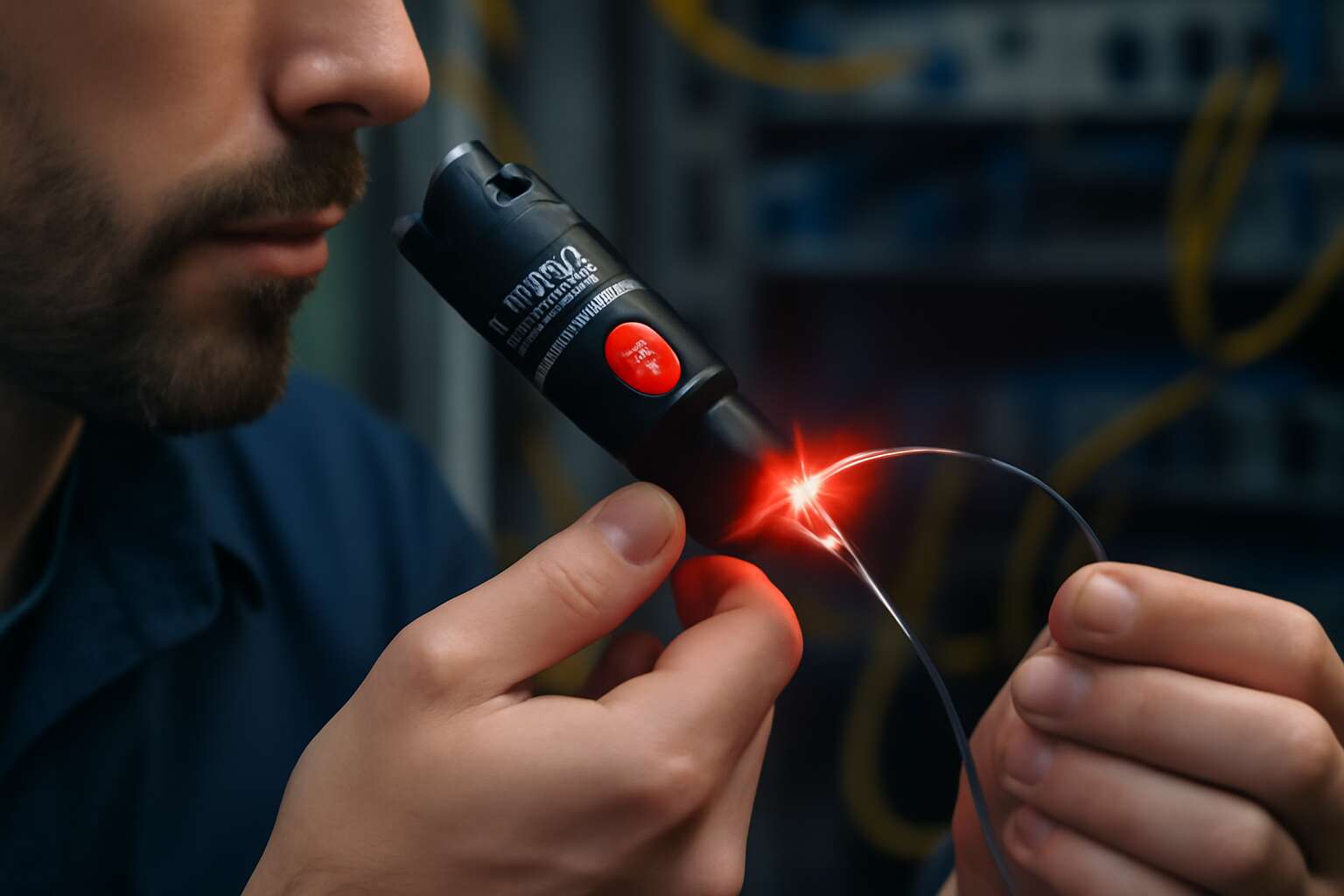
A fibre optic visual fault locator emits a visible red laser light that travels through the fibre cable. When there’s a break, bend, or other fault, the light escapes at the fault site, revealing its location clearly to the technician. This straightforward yet powerful diagnostic method allows for precise pinpointing of issues without the need for complex equipment or costly trial-and-error approaches. Whether in rural areas or urban settings, having a reliable fibre optic visual fault locator ensures that repairs are efficient and accurate, bolstering the stability of communication infrastructure across South Africa.
How Does It Work?
In the intricate web of modern communication, the fibre optic visual fault locator emerges as a sentinel, illuminating the unseen fractures that threaten data flow. Its operation hinges on a simple yet profound principle: injecting a visible laser light into the fibre, which then acts as both a diagnostic beacon and a subtle storyteller of the cable’s health. When a fault—be it a bend, break, or connection anomaly—disrupts the light’s journey, the laser escapes at that precise juncture, revealing a vivid red glow that guides technicians directly to the problem area.
This process is far from random; it’s a carefully orchestrated dance of photons and precision. The fibre optic visual fault locator employs specific wavelengths and power levels calibrated to traverse long distances without damaging the delicate core. As the light traverses the cable, any deviation or leakage signals a fault. The technician’s eye, aided by the device’s clarity, can then pinpoint issues with remarkable accuracy, sidestepping the need for invasive testing or guesswork.
- Inject the laser light into the fibre cable using the visual fault locator.
- Observe the emitted light along the cable route for any signs of leakage or abnormal glow.
- Identify the fault location precisely, whether it is a bend, crack, or break.
In the context of South Africa’s expanding digital infrastructure, understanding how a fibre optic visual fault locator works is vital. It’s a tool that empowers technicians to address faults swiftly, ensuring that the nation’s broadband backbone remains resilient and dependable. The elegance of this device lies in its ability to translate invisible issues into visible signals—making it an indispensable asset in the maintenance and expansion of fibre optic networks across the country.
Importance in Fibre Optic Maintenance
In South Africa’s rapidly evolving digital landscape, maintaining robust fibre optic networks is more critical than ever. The importance of a fibre optic visual fault locator cannot be overstated in this context. It serves as a vital diagnostic tool that allows technicians to quickly identify faults that could compromise entire communication pathways. Without such precise detection, small issues like micro-bends or connection anomalies might go unnoticed, leading to costly downtime and disrupted services.
Understanding the significance of a fibre optic visual fault locator in fibre optic maintenance is essential. This device transforms invisible problems within the cable into visible cues, enabling swift, targeted repairs. It’s a beacon of reliability in a country where connectivity is increasingly intertwined with everyday life, from rural communities to urban centers. By employing this technology, technicians can ensure the resilience of South Africa’s broadband infrastructure, safeguarding the digital future of the nation.
Furthermore, the role of a fibre optic visual fault locator extends beyond simple fault detection. It fosters a proactive approach to infrastructure management, helping prevent issues before they escalate. Here are some key benefits:
- Reduces downtime by pinpointing faults quickly and accurately.
- Minimizes invasive testing, saving time and resources.
- Enhances network reliability, essential for supporting South Africa’s digital growth.
In essence, the fibre optic visual fault locator is more than just a tool—it’s a lifeline for maintaining seamless connectivity across diverse terrains, ensuring that every corner of South Africa stays connected and empowered.
Key Features of Fibre Optic Visual Fault Locators
Light Sources and Wavelengths
When it comes to maintaining the integrity of fibre optic networks, understanding the key features of fibre optic visual fault locators is paramount. These devices are more than simple tools; they are the silent guardians of connectivity, revealing hidden faults with remarkable precision. One of the most critical aspects of these locators is the selection of light sources and wavelengths, which directly influence their effectiveness in different scenarios.
Fibre optic visual fault locators typically operate across a range of wavelengths, often including visible and near-infrared spectra. This versatility enables technicians to identify faults such as breaks, bends, or contamination swiftly. The choice of wavelength impacts the visibility of faults, especially in challenging environments or long-distance fibre runs. High-quality visual fault locators include various light sources, each tailored to specific applications and fibre types.
- Visibility range – The ability to detect faults over extensive distances.
- Compatibility with fibre types – Ensuring the locator works seamlessly with single-mode or multimode fibres.
- Battery life and durability – Critical for field use, where reliability is non-negotiable.
In essence, the key features of a fibre optic visual fault locator—especially the light sources and wavelengths—are what transform a basic inspection tool into an indispensable asset for fibre optic maintenance. They empower technicians with the confidence that every fibre connection is verified, ensuring the backbone of modern communication remains unbroken.
Detection Capabilities
The true power of a fibre optic visual fault locator lies not just in its ability to detect faults but in its nuanced detection capabilities that can make or break a network’s reliability. These devices are equipped with sophisticated detection features that allow technicians to pinpoint issues with remarkable precision, even in complex environments. Modern fibre optic visual fault locators can identify subtle anomalies such as microbends, microcracks, or contamination that might otherwise escape notice.
Equipped with a variety of detection modes, these tools can adapt to different fibre types and environmental conditions. They often incorporate high-intensity light sources and a broad spectrum of wavelengths, which enhance their ability to reveal faults over long distances. The detection range is particularly crucial for vast infrastructure projects across South Africa, where fibre runs can extend miles beyond urban centers. With these capabilities, a fibre optic visual fault locator provides unmatched visibility into network integrity, ensuring that every connection remains pristine and operational.
Portability and Durability
In the demanding landscape of South Africa’s sprawling infrastructure projects, a fibre optic visual fault locator isn’t just a tool — it’s a trusty sidekick. Portability and durability are the twin pillars that ensure technicians can carry this device from the bustling urban centers to the remote, rugged terrains without breaking a sweat or the equipment. These fault locators are designed to withstand the elements, whether it’s dust, moisture, or the occasional jolt — a true testament to their resilient engineering.
Opting for a fibre optic visual fault locator with a robust, ergonomic build means never sacrificing precision for convenience. Lightweight yet sturdy, these devices can slip comfortably into a technician’s toolkit or bag, ready to be deployed at a moment’s notice. Some models even feature protective rubber casings and weather-resistant housings, making them ideal for South Africa’s diverse climatic conditions. It’s no exaggeration to say that portability and durability are the unsung heroes of reliable fibre optic maintenance.
Furthermore, user-friendly designs and intuitive interfaces enhance operational efficiency. Here’s what makes these tools stand out:
- Compact and lightweight construction for effortless transportation
- Rugged exterior, resistant to shocks, vibrations, and environmental hazards
- Long-lasting battery life for extended field use
- Easy-to-read displays that ensure quick diagnostics in challenging conditions
When the stakes are high, a fibre optic visual fault locator’s portability and durability aren’t just luxuries—they’re necessities. After all, reliable network performance depends on tools that can keep pace with South Africa’s unpredictable terrain and demanding schedules. These devices prove that, sometimes, strength and agility are the best allies in fibre optic maintenance.
User Interface and Usability
In the realm of fibre optic maintenance, a device’s user interface can be the difference between seamless diagnostics and frustrating dead ends. The best fibre optic visual fault locator boasts an intuitive design that transforms complex testing into a dance of simplicity and precision. With a clear, high-contrast display, technicians can swiftly interpret results even under the harshest South African sun or in dimly lit environments. This clarity minimizes errors, accelerates troubleshooting, and ultimately ensures network integrity.
Many top-tier models feature ergonomic controls that respond effortlessly to the touch, fostering a workflow that feels more like artistry than labor. The interface often includes multi-language options, making it accessible across diverse teams. For ease of use, some devices incorporate touchscreens or rotary knobs that streamline operation, allowing technicians to focus more on the task at hand rather than wrestling with cumbersome menus.
To enhance operational efficiency, select fibre optic visual fault locators also integrate features like real-time diagnostics, adjustable sensitivity settings, and quick-access buttons. These enhancements turn complex fault detection into a swift, almost poetic process—an elegant ballet of technology and skill. When every second counts in South Africa’s dynamic infrastructure landscape, a user-friendly interface is not just a convenience but an essential ally in fibre optic maintenance.
Applications of Fibre Optic Visual Fault Locators
Fiber Optic Installation and Splicing
In the intricate world of fibre optic installation and splicing, precision is paramount. A fibre optic visual fault locator serves as an enchanted lantern, illuminating hidden flaws and imperfections within the delicate tendrils of glass that weave modern connectivity. These devices are vital tools for technicians navigating the labyrinth of fibre optic networks, revealing faults that might otherwise remain concealed behind layers of insulation and protective sheathing.
As the backbone of South Africa’s burgeoning digital infrastructure, fibre optic visual fault locators enable seamless testing and verification during installation. They help ensure that every splice and connection maintains the integrity necessary for high-speed data transmission. Whether repairing a broken strand or verifying a new installation, the visual fault locator’s ability to detect faults swiftly reduces downtime and enhances network reliability.
For those engaged in fibre optic splicing, these tools are indispensable. They allow technicians to pinpoint issues such as breaks, bends, or contamination with clarity and confidence. The process often involves a simple yet profound step: illuminating the fibre to expose faults that could compromise the entire network. This makes fibre optic visual fault locators not just equipment, but essential companions in the quest for flawless connectivity.
Troubleshooting and Fault Diagnosis
In the delicate dance of maintaining fibre optic networks, troubleshooting and fault diagnosis emerge as the silent guardians of connectivity. A fibre optic visual fault locator acts as a beacon of clarity, illuminating the unseen faults lurking within the labyrinth of glass fibers. When networks falter or data flow slows, these devices become the technician’s most trusted ally, revealing issues that might otherwise remain concealed behind a veil of insulation.
From identifying tiny cracks to detecting contamination, the fibre optic visual fault locator streamlines the process of diagnosing faults with remarkable precision. Sometimes, rapid pinpointing requires nothing more than a simple step—illuminating the fibre to expose the fault’s true nature. In complex networks, this swift detection minimizes downtime and preserves the integrity of high-speed data transmission.
For troubleshooting, these tools offer a strategic advantage. They enable technicians to follow a logical sequence, such as:
- Inspecting the entire length of the fibre for visible faults.
- Locating bends or breaks causing signal loss.
- Verifying the integrity of splices and connectors.
In the vibrant landscape of South Africa’s digital evolution, the fibre optic visual fault locator is more than a mere instrument—it’s a lighthouse guiding the way through the storm of network challenges. With its help, technicians not only diagnose issues swiftly but also ensure the resilience and reliability of a nation’s vital fibre optic infrastructure.
Network Maintenance and Repairs
In the bustling realm of South Africa’s digital infrastructure, maintaining fiber optic networks isn’t just a chore; it’s an art form. Enter the fibre optic visual fault locator—an unsung hero in network maintenance and repairs. This device is indispensable for pinpointing faults swiftly and accurately, saving technicians from endless troubleshooting loops. Whether it’s a rogue bend or a sneaky crack, the fibre optic visual fault locator illuminates the problem with surgical precision, ensuring minimal downtime.
Applications of the fibre optic visual fault locator extend far beyond simple fault detection. It plays a pivotal role in network upgrades, helping to verify the integrity of newly installed fibers before they go live. During repairs, it’s used to identify contamination or damage at connection points—those tiny yet treacherous imperfections that threaten data flow.
For network maintenance, the fibre optic visual fault locator is often employed in:
- Inspecting long fiber runs for hidden faults
- Verifying the quality of splices and connectors
- Locating bends or breaks causing signal degradation
In a landscape where connectivity is king, this tool helps technicians keep South Africa’s fiber optic backbone resilient, reliable, and ready for the digital future. Because when it comes to fibre optic networks, spotting faults early isn’t just smart—it’s essential.
Quality Assurance in Fibre Optic Networks
In the relentless pursuit of network excellence, quality assurance in fibre optic networks is paramount. The fibre optic visual fault locator emerges as a vital tool in this quest, transforming the way technicians verify and validate the integrity of installed fiber systems. It’s not just about finding faults; it’s about ensuring the entire network performs at peak efficiency, a critical factor in South Africa’s rapidly evolving digital landscape.
This device allows technicians to conduct comprehensive inspections of fibre optic lines, uncovering issues that could compromise data transmission. Whether verifying the success of splicing or detecting minute contamination at connection points, the fibre optic visual fault locator provides clarity where the naked eye sees chaos. Its ability to swiftly identify hidden bends, cracks, or breaks ensures that faults are addressed before they escalate into costly downtime.
Furthermore, the fibre optic visual fault locator plays a crucial role in quality assurance during network upgrades. It helps confirm that new fibre installations meet rigorous standards before activation. For example, using the device in
- inspection of long fiber runs
- validation of splice quality
- detection of signal-degrading bends
ensures the network remains resilient and capable of supporting South Africa’s digital ambitions.
Advantages of Using a Visual Fault Locator
Quick and Accurate Fault Detection
In the fast-paced world of fibre optic infrastructure, pinpointing faults swiftly can mean the difference between seamless connectivity and costly downtime. Enter the fibre optic visual fault locator—a tool that transforms what used to be a tedious game of “find the needle in the haystack” into a quick, almost foolproof process. With its ability to detect even the tiniest break or bend in the fibre, this device ensures that technicians can identify faults in a fraction of the time it would take with traditional methods.
What sets the fibre optic visual fault locator apart is its unmatched accuracy. It emits a visible red laser light that travels through the fibre, illuminating faults like a spotlight on a stage. This rapid detection capability not only saves time but also reduces the risk of further damage during troubleshooting. For network operators in South Africa, where reliable fibre connectivity is vital for everything from banking to broadcasting, this precision is invaluable.
- Quick fault localization minimizes network downtime
- Reduces the need for extensive, invasive testing
- Enhances troubleshooting efficiency with real-time visual cues
In essence, integrating a fibre optic visual fault locator into your maintenance arsenal means fewer surprises and more uptime—making it a must-have for any serious fibre optic professional. Who knew that a small device could deliver such big savings and peace of mind?
Cost-Effective Maintenance
In the realm of fibre optic maintenance, cost-effective solutions are the cornerstone of sustainable network management. The fibre optic visual fault locator stands as a beacon of ingenuity, transforming complex troubleshooting into an artful dance of illumination and precision. Its ability to swiftly identify faults means that network operators in South Africa can avoid the costly pitfalls of extended downtime, preserving the delicate threads of connectivity that underpin daily life and commerce.
One of the most compelling advantages of employing a fibre optic visual fault locator is its affordability. Unlike traditional methods that often require invasive procedures and extensive equipment, this compact device offers a non-intrusive, rapid diagnosis. It illuminates faults visibly, allowing technicians to pinpoint issues immediately. This direct approach minimizes unnecessary part replacements and reduces the need for costly guesswork, ultimately saving time and money.
Moreover, the utility of a fibre optic visual fault locator extends beyond mere cost savings. It enhances troubleshooting efficiency by providing clear, real-time visual cues. This immediacy allows technicians to act decisively, ensuring that repairs are swift and precise. For organisations managing vast networks, such as those in South Africa’s bustling urban centers, this efficiency translates into increased uptime and a more resilient infrastructure.
In essence, integrating a fibre optic visual fault locator into your maintenance toolkit isn’t just about saving costs; it’s about elevating the entire fibre optic ecosystem—making it smarter, faster, and more reliable. Who wouldn’t want a device that combines simplicity with extraordinary impact?
Minimizing Network Downtime
In the high-stakes world of fibre optic networks, minimizing downtime isn’t just a goal—it’s a necessity. A fibre optic visual fault locator plays a pivotal role in ensuring that network disruptions are swiftly identified and resolved. When faults are detected early, the ripple effect on business operations, customer satisfaction, and overall reliability is drastically reduced.
One of the key advantages of using a fibre optic visual fault locator is its ability to deliver immediate visual cues that guide technicians directly to the problem. This rapid identification process prevents prolonged outages and saves valuable time, especially in South Africa’s dynamic urban environments. The device’s precision means that repairs can be targeted with surgical accuracy, avoiding unnecessary disruptions.
For network operators managing vast infrastructures, the importance of quick fault detection cannot be overstated. It not only keeps service levels high but also reduces operational costs. With a fibre optic visual fault locator, troubleshooting becomes more efficient, ensuring that network downtime is kept to a minimum and that connectivity remains resilient in the face of unforeseen issues.
Enhanced Safety and Confidence
Safety and confidence are paramount when working with fibre optic systems, especially in complex urban environments like those found across South Africa. A fibre optic visual fault locator enhances both, transforming the troubleshooting process into a secure and assured task. Its intuitive design and clear visual cues empower technicians to identify faults swiftly, reducing the risk of accidental damage and ensuring that repairs are conducted with surgical precision.
Moreover, the use of a fibre optic visual fault locator instills a sense of professional confidence. When technicians can see exactly where the fault lies, they operate with certainty, minimizing guesswork and unnecessary interventions. This not only expedites repairs but also elevates safety standards, protecting personnel from potential hazards associated with fibre optic splicing and maintenance.
In the realm of fibre optic network management, where reliability is non-negotiable, the advantages extend beyond safety and confidence.
- Enhanced operational security
- Reduced risk of accidental damage
- Improved troubleshooting accuracy
These benefits make the fibre optic visual fault locator an indispensable tool for maintaining resilient, high-performance networks that serve South Africa’s dynamic digital landscape. Its role in safeguarding the integrity of vital infrastructure cannot be overstated, offering peace of mind in an increasingly connected world.
Choosing the Right Fibre Optic Visual Fault Locator
Factors to Consider
Choosing the right fibre optic visual fault locator is crucial for efficient network maintenance. With so many options available, understanding the key factors can save time and money. One of the most important considerations is the device’s detection capabilities. A high-quality fibre optic visual fault locator should easily identify faults, bends, or breaks in the fibre, even in complex setups.
In addition, portability and durability are vital—especially for field technicians working in challenging environments across South Africa. Look for models that are lightweight yet rugged enough to withstand dust, moisture, and rough handling. The user interface also matters; intuitive controls and clear displays ensure quick, accurate fault detection, reducing network downtime.
Finally, consider the device’s wavelength options. A versatile fibre optic visual fault locator with multiple wavelengths can improve fault pinpointing accuracy. This ensures reliable maintenance, minimizes disruptions, and enhances overall network performance.
Top Brands and Models
In the bustling realm of fibre optic maintenance, choosing the right fibre optic visual fault locator can feel like discovering a hidden gem—an essential tool that transforms complex troubleshooting into a seamless process. When searching for top brands and models, it’s vital to consider not only performance but also the brand’s reputation for reliability and innovation. South African technicians often turn to industry leaders such as Fluke Networks, Viavi Solutions, and NetAlly, whose fibre optic visual fault locators are renowned for their robustness and precision. These brands consistently push the boundaries of detection capabilities, ensuring faults are found swiftly and accurately.
For those seeking a blend of durability and advanced features, models like the Fluke Visual Fault Locator, Viavi’s FFL-300, or the NetAlly LinkSprinter stand out. They offer multiple wavelength options and intuitive interfaces, making them ideal for rugged field conditions.
- High detection accuracy
- Durability in tough environments
- User-friendly controls
Investing in a reputable brand guarantees reliability, minimizes downtime, and ultimately keeps South Africa’s expansive fibre optic networks running smoothly. The right choice isn’t just about features; it’s about securing peace of mind during every maintenance mission, turning technical challenges into straightforward successes.”
Best Practices for Using a Visual Fault Locator
Preparation and Safety Precautions
In the realm of fibre optic maintenance, mastering the use of a fibre optic visual fault locator is akin to wielding a lantern in the labyrinth of invisible threads—illuminating faults that threaten to unravel seamless connectivity. Preparation begins with a meticulous inspection of the device, ensuring the correct wavelength and power settings to match the fibre under test. Remember, safety isn’t just a protocol; it’s the shield that guards your vision and well-being. Always wear protective eyewear, as the laser light, though seemingly gentle, can cause harm if mishandled. To maximize safety and accuracy, avoid testing near reflective surfaces and ensure the fibre is properly secured and clean. The magic of this tool lies not only in its ability to detect faults but in the discipline of its use, transforming a potentially hazardous task into a precise art form that preserves network integrity across South Africa’s expansive fibre infrastructure.
Operational Tips
When operating a fibre optic visual fault locator, adhering to best practices can mean the difference between pinpoint accuracy and missed faults. Consistent calibration of the device ensures reliable results and prevents false alarms that could lead to unnecessary repairs or network downtime. Always double-check that the wavelength and power settings are appropriate for the specific fibre being tested—using incorrect settings can obscure faults or damage the fibre.
Operational tips include maintaining a steady hand and a stable position, especially when working with delicate fibres. A secure connection between the fibre and the visual fault locator minimizes light loss and enhances fault detection clarity. Additionally, conducting tests in a controlled environment—away from reflective surfaces—reduces the risk of misleading reflections that could mask actual faults.
To streamline the process, consider following this simple sequence:
- Ensure the fibre is clean and free from dirt or debris.
- Confirm the device’s wavelength and power are correctly set.
- Securely connect the fibre to the visual fault locator.
- Perform the test while observing the light patterns carefully.
This disciplined approach not only increases the accuracy of fault detection but also extends the lifespan of both the fibre and the visual fault locator. In South Africa’s expansive fibre network, where quick and precise diagnostics are vital, mastering these operational tips can significantly boost maintenance efficiency. Remember, a fibre optic visual fault locator is a powerful tool—use it with care and precision for optimal results!
Interpreting Results
Interpreting the results of a fibre optic visual fault locator is as much an art as it is a science. When the device’s light dances along the fibre, it reveals a hidden world of faults—cracks, breaks, or contamination—lurking beneath the surface. A keen eye and a practiced hand are essential to distinguish true faults from false signals caused by reflections or environmental interference.
To unlock the secrets within the fibre, look for distinct, bright anomalies in the light pattern—these are often the tell-tale signs of faults. The key is to interpret these visual cues accurately, understanding that some reflections may mimic faults, leading to false alarms if misread. Regular calibration and familiarity with the specific fibre type ensure the visual fault locator’s readings remain trustworthy, preventing costly misdiagnoses.
Mastering the art of result interpretation involves a combination of technical knowledge and intuitive observation. Remember, a fibre optic visual fault locator isn’t just a tool—it’s a gateway to maintaining the integrity of South Africa’s vast fibre network. With diligent analysis, technicians can swiftly pinpoint issues, minimizing downtime and safeguarding network performance in this rapidly expanding digital landscape.
Maintenance and Storage
In the shadowed corridors of fibre optic maintenance, where precision is paramount and the stakes are high, the proper maintenance and storage of a fibre optic visual fault locator become the unseen guardians of network integrity. This device, delicate yet indispensable, demands respect and care to ensure its unwavering performance in the field.
Always store your fibre optic visual fault locator in a cool, dry environment, away from dust and extreme temperatures. A padded case or protective sleeve can shield it from shocks and impacts that might otherwise distort its sensitive components. Regular calibration is not just recommended—it’s vital. Ensuring the device’s light source remains aligned preserves the accuracy of fault detection, preventing costly misdiagnoses in South Africa’s ever-expanding fibre network.
Furthermore, cleaning the lenses and connectors with approved cleaning tools keeps the visual fault locator functioning at peak clarity. Remember, a well-maintained device isn’t just a tool—it’s a sentinel standing guard over your network. By adhering to these best practices, technicians can prolong the lifespan of their fibre optic visual fault locator, preserving its efficacy in the relentless pursuit of faultless fibre optic infrastructure.
Future Trends in Fibre Optic Fault Detection Technology
Integration with Digital and Automated Systems
As fibre optic technology continues to evolve, the integration of fault detection tools with digital and automated systems is shaping the future of network maintenance. The fibre optic visual fault locator is no longer just a handheld device; it’s becoming a cornerstone of intelligent infrastructure management. Imagine fault detection that not only pinpoints issues swiftly but also feeds data directly into automated diagnostics platforms—this is where the industry is heading.
Future trends suggest a seamless blend of fibre optic visual fault locator devices with artificial intelligence and machine learning algorithms. These advancements will enable real-time analysis and predictive maintenance, reducing downtime significantly. For example, networks will be capable of self-monitoring, alerting technicians to potential faults before they impact service. This proactive approach enhances efficiency and minimizes costly disruptions in South Africa’s expanding digital landscape.
Moreover, the incorporation of digital diagnostics and cloud-based reporting will streamline troubleshooting processes. Network operators will benefit from comprehensive fault logs and analytics, making network management more precise and less dependent on manual intervention. As these systems become more sophisticated, expect to see a shift towards fully automated fibre optic fault detection, where the fibre optic visual fault locator is integrated into a larger ecosystem of smart maintenance tools.
Enhanced Sensitivity and Resolution
As technology advances, the future of fibre optic fault detection promises unprecedented levels of sensitivity and resolution. Imagine a fibre optic visual fault locator capable of identifying even the most minuscule imperfections within the fibre core—this is no longer a distant dream but an imminent reality. Enhanced sensitivity means faults that once evaded detection are now brought into sharp focus, allowing technicians to address issues before they escalate into costly outages.
Progressive innovations hint at the integration of these fault locators with artificial intelligence and machine learning algorithms. Such synergy will facilitate real-time diagnostics that adapt and learn from each network’s unique characteristics. This evolution enables predictive maintenance, transforming reactive troubleshooting into proactive network management. In South Africa’s rapidly expanding digital sphere, this means fewer disruptions and a more resilient infrastructure.
Furthermore, increased resolution in fibre optic visual fault locator devices will improve the accuracy of fault pinpointing, reducing guesswork and unnecessary repairs. In the future, network operators might employ a sophisticated, layered approach—combining highly sensitive visual fault locators with cloud-based analytics and digital diagnostic tools.
- Automated fault detection systems
- Enhanced data logging capabilities
- Seamless integration with network management platforms
These innovations will facilitate swift, precise maintenance, ensuring the fibre optic network remains robust and reliable.
Portable and Wireless Solutions
As the digital landscape of South Africa blossoms at an unprecedented rate, the future of fibre optic fault detection is poised to become more agile and intuitive than ever before. Portable and wireless solutions are rapidly emerging as the vanguard of this technological revolution, promising to transform how technicians diagnose and resolve issues within fibre optic networks. Imagine stepping into a sprawling network environment, armed with a lightweight fibre optic visual fault locator that communicates seamlessly with your smartphone or tablet—no cumbersome cables, no fuss. This mobility not only accelerates fault identification but also empowers field technicians to operate with unprecedented freedom and precision.
Advancements in wireless technology are enabling real-time data transmission, which means instant insights are now within reach. These devices are increasingly equipped with intuitive interfaces and cloud connectivity, allowing for instant sharing of diagnostic results. The integration of 4G and 5G connectivity ensures that even remote or hard-to-access sites can be monitored efficiently. Such innovations are vital for South Africa’s expanding digital infrastructure, where rugged terrain and infrastructural gaps often challenge traditional methods.
- Enhanced portability for on-the-go diagnostics
- Seamless wireless data transfer for swift analysis
- Robust construction designed for harsh environments
Looking ahead, the evolution of fibre optic visual fault locators is set to be characterized by even greater portability, with compact devices that fit effortlessly into a technician’s toolkit. These future models will harness the power of artificial intelligence, enabling predictive fault detection and automated diagnostics. Imagine a fibre optic visual fault locator that learns from each inspection, refining its detection capabilities with every use—truly a marvel of modern engineering. Such devices will seamlessly integrate with network management platforms, providing a holistic view of network health and preempting failures before they occur.
This confluence of portability, wireless connectivity, and intelligent analytics heralds a new era of fibre optic maintenance—one where swift, accurate fault detection becomes second nature. As South Africa continues to drive digital transformation, these cutting-edge tools will be the backbone of resilient, future-proof networks that keep the nation connected and thriving. The magic of fibre optic visual fault locators lies not just in their technological prowess, but in their ability to empower technicians to weave a more robust, reliable digital tapestry across the country’s vast landscapes.
AI and Machine Learning in Fault Analysis
As fibre optic networks become more complex and sprawling across South Africa’s diverse terrain, the future of fault detection is set to be revolutionized by artificial intelligence (AI) and machine learning. These cutting-edge technologies are transforming fibre optic visual fault locators from simple diagnostic tools into intelligent systems capable of predictive analysis. Imagine a device that doesn’t just spot faults but learns from each inspection, enhancing its accuracy over time—truly a game-changer for maintenance teams.
One of the most exciting prospects is automated fault detection that leverages AI to identify subtle anomalies before they escalate into major outages. This proactive approach reduces downtime and minimizes costly repairs. Additionally, machine learning algorithms can analyze historical data to forecast potential network failures, enabling technicians to address issues before they even surface. The integration of these smart capabilities into fibre optic visual fault locators means faster, more reliable network diagnostics across South Africa’s rugged and often inaccessible landscapes.
In essence, the evolution of fibre optic visual fault locators with AI and machine learning is paving the way for a new era of network resilience—more intuitive, efficient, and cost-effective. As these devices become smarter, they will not only detect faults but also provide actionable insights, making fibre optic network maintenance less of a chore and more of a strategic advantage. The future is bright—and impeccably connected—thanks to these technological marvels.



0 Comments