
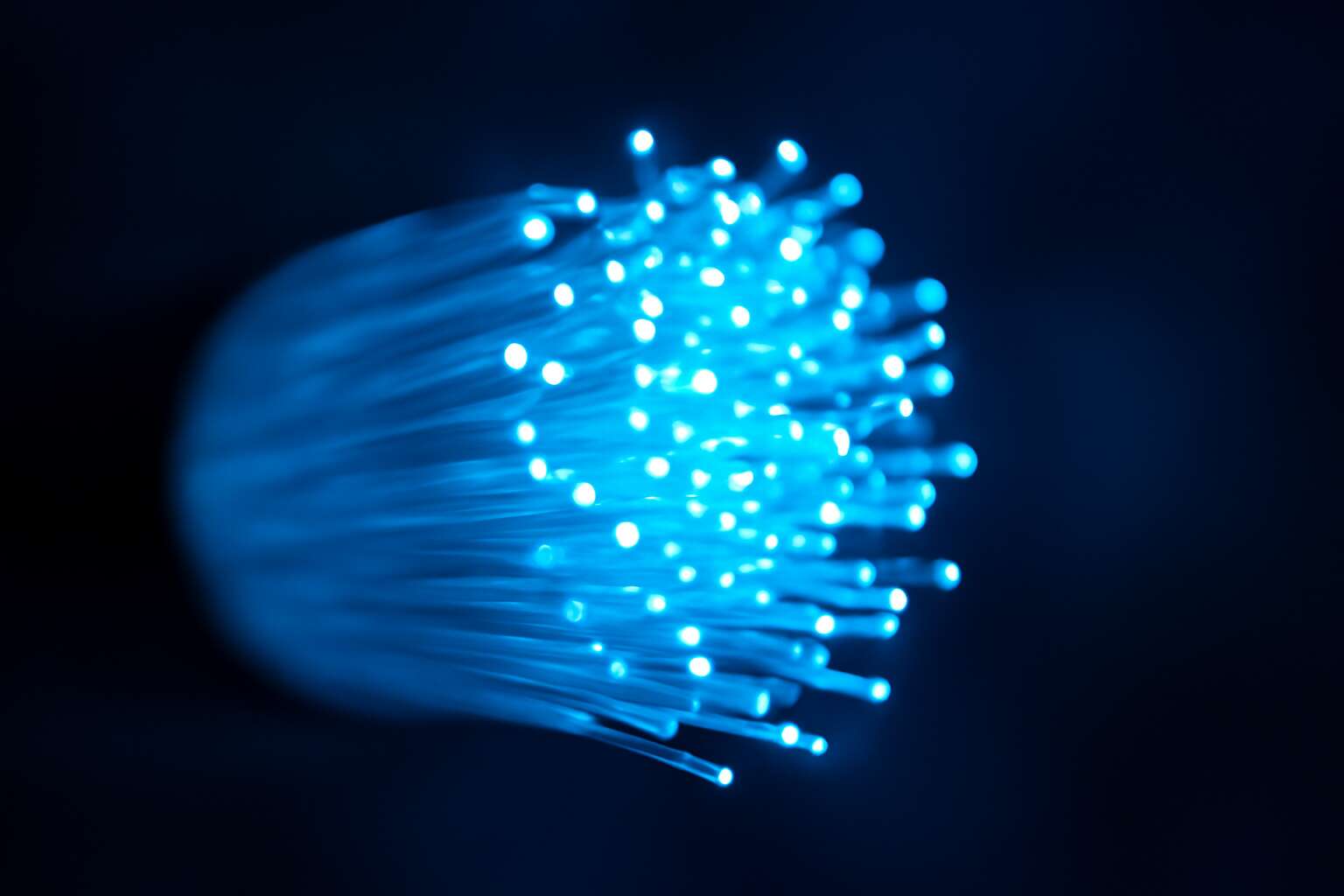
Fibre optic cable technology fundamentals
Fibre optic cable technology fundamentals
In South Africa, the fibre optic cable and its journey from a glass core to the hum of modern life is the story of speed and resilience. A single strand can carry more information than miles of copper, guiding streaming, schools, and businesses with speed that feels almost tangible, even in our bustling cities.
Fundamentals to grasp include:
- Core: the transparent filament that carries light
- Cladding: a lower refractive index that keeps light trapped
- Jacket: outer protection against moisture and abrasion
- Interfaces: connectors and splices that preserve signal integrity
- Total internal reflection: the guiding principle that makes data flow with minimal loss
From these essentials, networks become more than cables—they become channels for connection, learning, and enterprise in South Africa.
Fibre optic cable types and construction
Light travels at 299,792 kilometers per second, yet in fibre it behaves like a whisper of speed, guiding ideas through the country’s skylines. In South Africa, the fibre optic cable and the promise of instant, global reach power our classrooms, clinics, and boardrooms.
- Single-mode: a slender core for long-haul runs and minimal signal loss.
- Multi-mode: a broader path for shorter distances and cost efficiency.
Construction choices matter: some cables add gel-filled jackets for moisture resistance, others employ aramid yarns for tensile strength, and still others use rugged armor for outdoor or submarine deployments. The result is a tailor-made channel that preserves speed, even where conditions are toughest.
Fibre optic cable performance and standards
Speed is infrastructure, and in South Africa it shapes classrooms, clinics, and boardrooms alike. Data demands grow roughly 25% each year, turning fibre optic cable and its near-zero delay into a practical necessity rather than a luxury. Light travels fast; the work is making it usable.
Performance fundamentals live in the glass and the paths light travels. A well-made system balances minimal loss with resilience through precise core dimensions, robust jackets, and careful routing. Standards decide how connectors mate, how splices hold, and how the link behaves under heat and moisture.
To measure what matters, engineers watch latency, attenuation, and dispersion—reliability across miles of fibre. In practice, a few standards guide these choices:
- Latency targets for critical links
- Attenuation and dispersion budgets
- Connector and splice compatibility for interoperability
Ultimately, this backbone keeps ideas moving through South Africa’s skylines, where every decision echoes in the rhythm of progress and performance!
Fibre optic cable applications and maintenance
Across South Africa, data demand climbs roughly 25% each year, turning fibre optic cable and its near-zero delay into the heartbeat of progress. In classrooms, clinics, and executive suites, light travels with intent, translating ambition into action and keeping conversation unbroken even as the city hums!
Technology fundamentals bloom in the field when these cables become trustworthy conduits for health records, remote learning, and creative collaboration. Applications stretch from remote clinics to central data centres, weaving a connective tissue that supports governance, commerce, and culture.
Maintenance is less a routine and more a philosophy: resilience, precision, and interoperability. The work rests in three pillars:
- Interoperability and standardisation
- Environmental resilience and protection
- Monitoring and diagnostics

0 Comments