
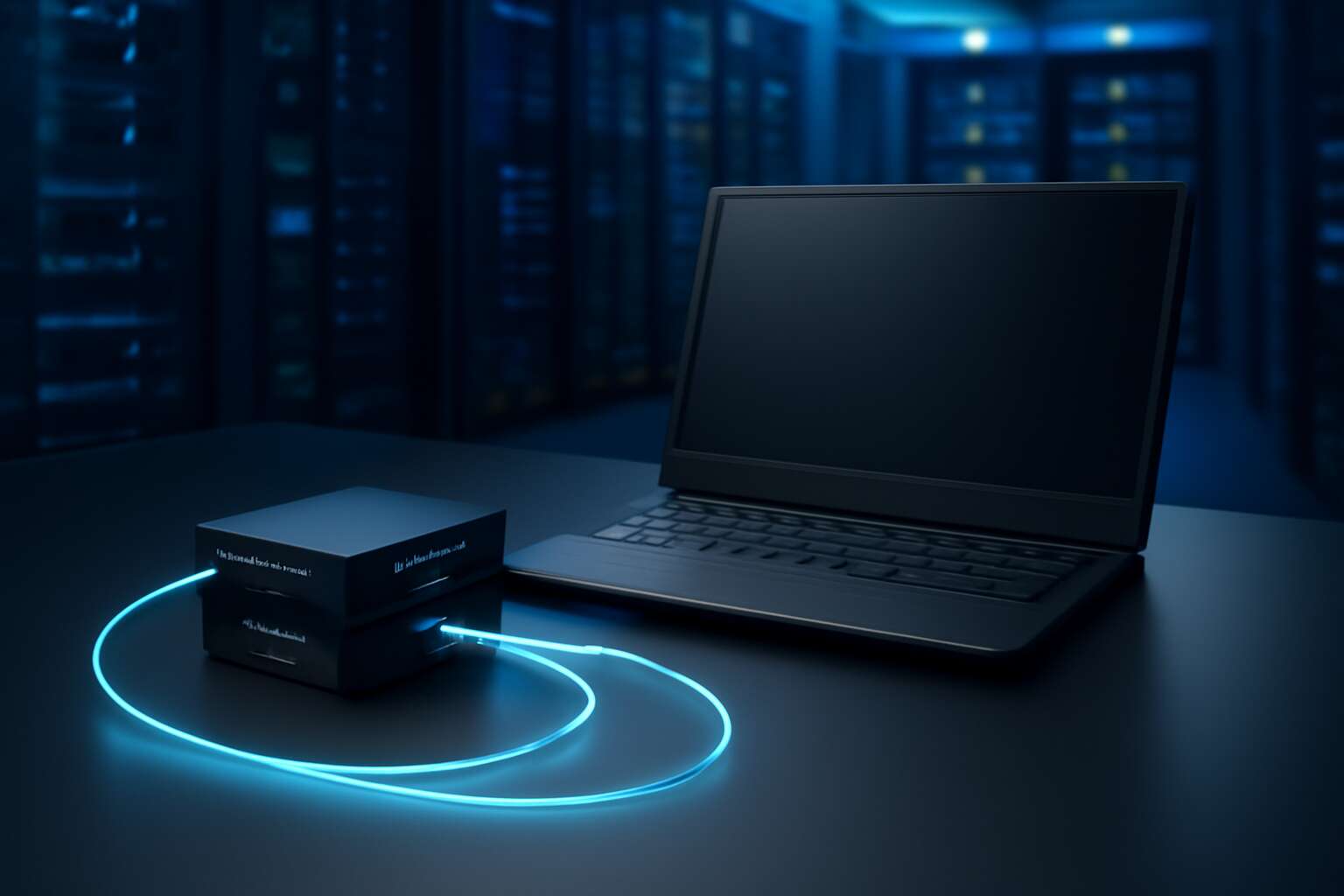
Understanding Fibre Optic KVM Extenders
What Are Fibre Optic KVM Extenders?
In a world where data flows faster than the Friday afternoon coffee rush, fibre optic KVM extenders emerge as the unsung heroes of modern connectivity. These technological marvels allow you to transmit high-resolution video and keyboard/mouse signals over astonishing distances—often spanning hundreds of meters—without sacrificing quality or speed. Think of it as having your workstation plant its roots deep into the heart of a data forest, with fibre optic cables acting as the sturdy vines that carry your command signals with minimal lag.
What exactly makes fibre optic KVM extenders such an indispensable tool? Well, for starters, they harness the power of light to transmit information, ensuring immunity from electromagnetic interference and secure data transfer. Here’s where it gets interesting—these extenders enable users to position their critical equipment far from the actual server room or control centre. This flexibility is crucial, especially in South Africa’s varied environment, where infrastructure might not be as reliable as you’d hope. Fibre optic KVM extenders are the digital equivalent of having a high-speed, interference-proof teleportation device—minus the sci-fi jargon!
How Do They Work?
Understanding how fibre optic KVM extenders operate reveals a universe of subtle intricacies. At their core, they are not merely devices but gateways—transformative links that ferry high-resolution video, keyboard, and mouse signals across vast distances with unwavering fidelity. Unlike traditional copper-based extenders, fibre optic KVM extenders leverage light to transmit information, turning the invisible yet powerful wave of photons into a conduit of raw, unyielding data.
These extenders use a simple yet profound principle: converting electrical signals into light pulses. The light is guided through the fibre optic cable, capable of spanning hundreds of meters without degradation. Once it reaches its destination, a photonic receiver converts the light back into electrical signals, restoring the original data in pristine condition. This process ensures minimal latency, making real-time control possible even over sprawling server farms or remote command centres—an advantage that South Africa’s diverse infrastructure landscape can’t overlook.
- Transmission of high-definition video signals
- Secure, interference-proof data transfer
- Distance flexibility—often up to several hundred meters
The beauty lies in the simplicity of the engineering—fibre optic KVM extenders turn light into a universal language for digital communication. They silently serve as the backbone of modern data exchange, marrying the elegance of technology with the resilience needed in real-world environments, where electromagnetic interference and distance often threaten data integrity.
Key Components and Technology
At the heart of every remarkable fibre optic KVM extender lies a symphony of precision components, each playing a vital role in ensuring seamless transmission. These devices are crafted with high-performance transmitters and receivers—ingenious little units that work tirelessly to convert digital signals into radiant pulses of light. Their delicate dance across the fibre optic cable maintains crystal-clear image resolution and uninterrupted data flow, even across monumental distances.
Within this technological marvel, the core components often include optical transceivers, which serve as the pivotal link between electrical signals and light waves. These optoelectronic marvels are complemented by robust circuitry designed to minimize latency, ensuring real-time control over remote systems. Because fibre optic KVM extenders excel in low-interference environments, the internal architecture emphasizes secure and interference-proof data transfer, fortified against electromagnetic disruptions that could compromise less sophisticated systems.
A typical fibre optic KVM extender employs a simple yet elegant architecture—transforming your digital signals into photons, journeying along kilometres of glass, then transforming back into electrical signals at the receiving end. It’s this harmonious amalgamation of advanced technology and meticulous engineering that makes fibre optic KVM extenders a cornerstone of reliable remote access in diverse South African environments.
Differences Between Fibre and Copper KVM Extenders
Fibre optic KVM extenders are transforming remote data management, especially in environments where clear, secure signals are non-negotiable. But what truly sets them apart from their copper counterparts? The answer lies in the unseen, almost supernatural, power of light transmission. Unlike copper KVM extenders, which rely on electrical signals vulnerable to electromagnetic interference, fibre optic KVM extenders harness the sheer purity of light to carry data across long distances without a hiccup.
In essence, fibre optic KVM extenders avoid the common pitfalls of traditional systems by utilizing glass fibers that are immune to static and electronic noise. This means your signals remain pristine—crystal clear images and zero lag, even over kilometres of cable. For those in South Africa working in critical sectors like broadcasting, security, or command centers, this technology offers an almost supernatural edge in remote access. The choice lies in the core difference: fibre optic KVM extenders operate on photons, rendering interference impossible and unleashing a new realm of operational reliability.
Advantages of Using Fibre Optic KVM Extenders
Fibre optic KVM extenders are revolutionising how critical data and control signals traverse vast distances, especially in high-stakes environments where clarity and security are paramount. Unlike traditional copper-based systems, these extenders leverage the almost mystical properties of light to transmit information, making interference a thing of the past. In essence, the use of fiber optics elevates remote access to a realm where signal degradation is virtually nonexistent, ensuring seamless, lossless transmission.
The real advantage lies in their robustness. Fibre optic KVM extenders operate flawlessly in settings riddled with electromagnetic interference, static, or electronic noise—common hurdles in broadcasting stations, security operations, and command centres. Their immunity to such disruptions means viewers experience perfectly sharp images, zero lag, and unwavering performance over extraordinary distances. The discreet yet profound power of light whisks data across kilometres without a flicker or falter, promising not just reliability but an almost poetic purity of transmission.
Choosing fibre optic KVM extenders often includes consideration of the following benefits:
- Superior distance coverage without signal deterioration
- Enhanced security through immune transmission channels, making eavesdropping extraordinarily difficult
- Increased resilience against electromagnetic interference, static, and electronic noise
- Crystal-clear image quality and zero latency, vital for real-time control
Applications and Use Cases
Corporate IT and Data Centers
In the bustling realm of corporate IT and data centers, where every millisecond counts and data integrity is paramount, fibre optic kvm extenders have emerged as the silent heroes behind seamless operation. These technological marvels enable crossing distances far beyond the reach of traditional copper-based solutions, transforming the way organizations manage their digital assets in South Africa. The potential for extending KVM connections over fiber optic networks opens a new horizon of possibilities, facilitating robust remote management and safeguarding against electromagnetic interference.
As the digital landscape grows more complex, the strategic application of fibre optic kvm extenders becomes evident in scenarios such as server room management, broadcast operations, and secure government facilities. Their capacity to deliver crystal-clear audio-visual signals over extensive distances while maintaining top-tier security makes them invaluable. For organizations with sprawling campuses or data centers spread across multiple sites, fibre optic KVM extenders are a logistical blessing, simplifying connectivity without compromising performance.
- Remote server control without latency issues
- Secure data transmission for sensitive operations
- Streamlined management across geographically dispersed locations
Broadcasting and Media Production
In the realm of broadcasting and media production, where timing is everything and visual precision reigns supreme, fibre optic KVM extenders act as the unseen conduit connecting creativity with reality. Imagine a world where a live broadcast from a distant studio can seamlessly connect with the control room hundreds of kilometers away, with no delay and pristine clarity. This is the magic made possible by fibre optic KVM extenders, transforming how media professionals operate under the intense demands of real-time transmission.
These extenders facilitate the transmission of high-definition audio-visual signals over long distances—often spanning entire broadcast campuses—without sacrificing quality or security. For broadcasters, this means managing multiple camera feeds, editing stations, and control consoles from a centralized location, all while maintaining the integrity of every pixel and sound byte. The ability to extend KVM connections over fibre simplifies complex workflows, enabling quick response times and flawless live production. As media environments grow increasingly intricate, the role of fibre optic KVM extenders becomes not just advantageous but essential.
- High-resolution video transport over vast distances
- Secure and interference-free data transmission in busy studio environments
- Real-time editing and live broadcasting capabilities across multiple sites
With these technological marvels enhancing the broadcast landscape in South Africa, media houses are empowered to push the boundaries of live production, offering audiences a crisp, uninterrupted viewing experience while ensuring operational resilience in a demanding industry. The future of media production is illuminated by fibre optic KVM extenders—they are truly the bridge to limitless creative potential.
Industrial and Manufacturing Environments
In the high-stakes realm of industrial and manufacturing environments, precision and reliability are non-negotiable. Fibre optic KVM extenders emerge as the silent heroes, bridging control rooms and machinery across sprawling facilities. These extenders enable seamless, real-time data exchange, ensuring operators can monitor and manage complex processes from distance — all while maintaining pristine signal quality.
Imagine coordinating operations in scattered factories or distant production lines with unwavering clarity. Fibre optic KVM extenders cut through electromagnetic interference and environmental noise, offering robust and secure data transmission where copper cabling falters. This capability is indispensable in factories, power plants, and automated assembly lines, where uninterrupted communication can mean the difference between flawless production and costly downtime.
In such environments, the application of fibre optic KVM extenders can be illustrated through:
- Remote monitoring of industrial machinery and automation systems
- Centralized control of multiple manufacturing units from a single command hub
- Secure management of sensitive operational data in hazardous zones
For industries in South Africa seeking to future-proof their operations, fibre optic KVM extenders offer an unmatched combination of speed, security, and rugged durability. They are the unseen backbone behind modern, borderless industrial ecosystems — the conduit that transforms distant control into immediate action.
Security and Surveillance Systems
In security and surveillance systems, fibre optic KVM extenders have become game-changers, especially in environments demanding high resilience and uninterrupted connectivity. These extenders facilitate the transmission of high-definition video, keyboard, and mouse signals over long distances without degradation—crucial in safeguarding assets and monitoring operations around the clock.
The real strength of fibre optic KVM extenders lies in their ability to operate reliably in harsh conditions. Whether it’s a busy border security station, a remote CCTV hub, or a critical control room, they ensure that operators have real-time access to surveillance feeds with no lag or interference. This means enhanced situational awareness and faster response times.
In fact, the applications are quite broad. They include:
- Remote control of CCTV cameras in hazardous or hard-to-reach zones
- Secure management of multiple surveillance feeds from a central command centre
- Integration of high-resolution video in airports, seaports, and border crossings
The resilience and security of fibre optic KVM extenders make them indispensable in ensuring safety and operational efficiency. Their ability to transmit critical surveillance data across considerable distances with pristine clarity and immunity to electromagnetic interference underscores their importance for South African security infrastructure.
Event Management and Live Installations
When it comes to event management and live installations, fibre optic KVM extenders prove to be nothing short of revolutionary. Imagine orchestrating a grand symposium or live concert while maintaining pristine control over multiple video and data feeds—without the slightest lag or interference. That’s the kind of seamless connectivity these devices offer, transforming logistical chaos into orchestrated finesse.
Their versatility becomes especially evident during large-scale broadcasts or bustling conferences where multiple feeds are generated and monitored concurrently. The ability to transmit high-definition video alongside keyboard and mouse signals over long distances allows operators to work remotely from secure control rooms, yet stay intimately connected to on-site events. Whether for a high-profile product launch or a televised awards ceremony, fibre optic KVM extenders enable secure, reliable control, elevating the entire event experience.
In this domain, applications often include:
- Managing multi-camera setups during live productions.
- Controlling stage lighting and audio from a central booth.
- Streaming high-quality video feeds across vast venues with absolute fidelity.
For event organizers and production crews across South Africa, choosing the right fibre optic KVM extenders means no longer battling with the limitations of traditional cabling—freedom, resilience, and uncompromising clarity reign supreme in the world of live events.
Choosing the Right Fibre Optic KVM Extender
Key Features to Consider
Choosing the right fibre optic KVM extender isn’t just about distance — it’s about ensuring seamless, secure operation in complex environments. With data centres, broadcasting stations, and industrial setups relying heavily on high-performance technology, selecting features that match your specific needs is critical. A well-suited fibre optic KVM extender offers impeccable signal integrity, minimal latency, and robust security, making it indispensable in today’s fast-paced digital landscape.
When evaluating options, consider key features such as support for high-resolution video, multiple video formats, and compatibility with your existing infrastructure. Durability and flexibility are equally vital, especially if the setup involves harsh environments or frequent reconfigurations. Additionally, look for solutions that provide easy installation and management. Sometimes, a simple plug-and-play setup can save hours of downtime and frustration. These features make a substantial difference, particularly in mission-critical applications where every second counts.
Compatibility and Extension Length
Choosing the right fibre optic KVM extender isn’t merely a matter of length—it’s about compatibility that ensures your installation functions flawlessly, regardless of the environment. Distance is a critical factor, but so is the extender’s ability to seamlessly integrate with your existing infrastructure and support high-performance applications. When considering an extension length, remember that fibre optic KVM extenders generally offer impressive distances—often exceeding 10 kilometers—yet this depends on the quality of the fibre used and the specific model.
Equally vital is compatibility. Ensuring your fibre optic KVM extender aligns with your video resolutions, video formats, and device interfaces could save hours of troubleshooting down the line. To simplify selection, consider these key points:
- Maximum extension distance achievable without signal degradation
- Support for your desired high resolution, such as 4K or higher
- Compatibility with your current hardware and networking standards
Remember, choosing an incompatible extender can lead to frustrating signal loss or latency issues, especially when operating critical systems. In the grand scheme of fibre optic KVM extenders, ensuring the right fit means your setup will deliver crisp visuals and dependable performance—cornerstones of any successful digital environment.
Transmission Speed and Quality
When it comes to fibre optic KVM extenders, transmission speed and quality are the gatekeepers of a flawless connection. In the realm of high-performance digital environments, a single millisecond of lag or a pixelated image can spell disaster. Ensuring your fibre optic KVM extenders deliver pristine visuals at blazing speeds is essential, particularly as resolutions soar to 4K and beyond. The magic lies in the quality of the components—using ultra-low latency fibres and robust transceivers transforms your setup into a digital tapestry of clarity and speed.
To safeguard your investment and maintain crystal-clear visuals, evaluate whether the extender’s bandwidth supports your operational needs. For environments demanding swift data transfer, such as broadcasting or control rooms, a higher transmission speed is non-negotiable. For instance, modern fibre optic KVM extenders often boast support for 10 Gbps or more, ensuring that high-resolution images remain sharp and synchronized across vast distances. Remember, when selecting an extender, the ability to maintain this quality across extended lengths—sometimes exceeding 10 kilometers—is crucial.
- Assess maximum supported data rates to match your current and future needs.
- Ensure the fibre optic cables used are of premium grade, facilitating flawless signal integrity.
- Verify compatibility with your target resolution, whether 4K or higher, to guarantee uncompromised images.
Fiber Type and Connectors
Choosing the appropriate fibre optic kvm extenders hinges significantly on selecting the right fibre type and connectors, a process that merits careful consideration. The backbone of an optimal setup—beam strength, longevity, and signal integrity—begins with fibre cable quality. The fibre type, whether single-mode or multimode, dictates the transmission distance and data capacity, with single-mode fibres excelling over extended ranges, often surpassing 10 kilometers with minimal signal loss. Meanwhile, multimode fibres are better suited for shorter distances, delivering high bandwidths within a confined environment.
Connectors act as the critical interface between the fibre optic cable and the extender, ensuring seamless signal transfer. Popular choices such as LC, SC, or ST connectors vary in construction and compatibility, impacting ease of installation and maintenance. When selecting fibre optic kvm extenders, verify that the connectors are compatible with your existing infrastructure, and opt for premium-grade components that facilitate flawless signal integrity—especially vital for high-resolution applications like 4K video transmission.
Knowing whether to opt for simple multimode cables or more specialised single-mode fibres depends on your operational demands. If you’re aiming to future-proof your setup or require extended transmission distances with unwavering clarity, invest in fibres boasting high-grade core material. The choice of connectors and fibre type isn’t merely an installation detail—it’s the lifeline that preserves precision across every pixel and command signal woven into your fibre optic kvm extenders.
Installation and Flexibility
Choosing the right fibre optic KVM extender installation is a pivotal step toward ensuring your entire setup operates smoothly and reliably. The key is to approach this process with patience and a sharp eye for detail—after all, quality components and proper placement can make all the difference. One often overlooked aspect is the flexibility of your setup; a well-planned installation can adapt to future needs or changes without costly upgrades.
Flexibility begins with understanding your environment. For instance, data centres often require robust, long-distance connections with minimal signal loss, so opting for high-quality single-mode fibres paired with compatible connectors is essential. Conversely, multimedia production environments may prioritize high bandwidth over shorter runs, making multimode fibres a practical choice. When installing fibre optic KVM extenders, consider the potential for future expansion and choose components that support the necessary extension lengths and transmission speeds. Balancing these factors ensures smooth operation now and scalability in years to come!
Dimensions such as cable layout, wall penetration, and the physical durability of extenders should influence your decision. Think of it like tailoring a suit—every element must fit snugly and precisely for optimal performance. Ultimately, an installation that considers your unique environment and operational demands guarantees the resilience and clarity essential for high-stakes applications and everyday use alike.
Cost and Budget Considerations
When selecting fibre optic KVM extenders, understanding the balance between cost and performance is paramount. The right investment can future-proof your setup without draining your budget—that’s a challenging tightrope walk, but one worth mastering. High-quality fibre optic KVM extenders often come with a higher price tag, yet they guarantee longevity, reliability, and superior signal integrity. Conversely, opting for cheaper alternatives might save you upfront, but they risk frequent replacements and performance issues down the line.
Budget considerations extend beyond the initial purchase. Maintenance, potential upgrades, and scalability should also factor into your decision-making process. In South Africa, where infrastructure varies and technology needs are diverse, choosing components that support your current and future demands is essential. Sometimes, investing a little more upfront ensures seamless operation, even in demanding environments such as broadcasting, industrial settings, or secure surveillance systems.
To streamline your choices, consider these key points:
- Compatibility with your existing infrastructure
- Extension lengths supported by the fibre optic KVM extenders
- Transmission speed capabilities relative to your operational requirements
Balancing these factors helps avoid costly upgrades later while ensuring your setup remains resilient amid evolving technological landscapes.
Installation, Maintenance, and Troubleshooting
Best Practices for Installation
In the realm of sophisticated digital infrastructure, the installation of fibre optic KVM extenders is almost poetry in motion. Proper setup is essential to unlock their true potential and ensure seamless data flow over great distances. To begin, it’s vital to select a clean, static-free environment where delicate fibre optic cables won’t be subjected to unnecessary stress or bending. Remember—these cables are the arteries of your transmission, and their integrity can be compromised by even the slightest misstep.
When installing fibre optic KVM extenders, meticulous attention to connector types and orientations must be maintained. Using the correct connectors and avoiding sharp bends ensures maximum performance and longevity. Engage the power sources only after confirming all connections are secure—this helps prevent signal disruptions. To streamline the process, here are some best practices to keep in mind:
- Lay out the cables according to a clear and logical path, avoiding potential sources of interference.
- Label each connection point for easy troubleshooting later.
- Consult the manufacturer’s guidelines to verify compatibility with the fibre wave type—single mode or multimode—for optimal results.
Adhering to these steps can make the difference between a flawless installation and a troubleshooting labyrinth. Remember, fibre optic KVM extenders thrive in environments where precision and care are woven into every connection—transforming complex setups into a symphony of flawless transmission!
Maintenance Tips to Ensure Optimal Performance
Fibre optic KVM extenders represent the pinnacle of modern digital transmission, yet their longevity and unparalleled performance hinge on diligent maintenance and vigilant troubleshooting. An environment that minimizes exposure to dust, moisture, and temperature fluctuations is crucial; even the slightest deviation from ideal conditions can subtly impair signal integrity over time. Regular inspections of fibre optic cables for micro-bends or cracks—those silent saboteurs—are essential in preserving optimal function.
To facilitate consistent excellence, a few maintenance tips can prove invaluable. For instance, deploying high-quality connectors and ensuring their proper alignment reduces wear and tear. When troubleshooting, always verify connection integrity first—loose or misaligned connectors are often the culprits behind sporadic disruptions. An effective approach involves systematically testing each segment of the fibre optic KVM extender system, which can reveal hidden vulnerabilities ripe for remediation.
- Clean connectors carefully using appropriate fibre optic cleaning tools, avoiding static buildup or contamination.
- Use a visual fault locator periodically to identify microbends or defects in the fibre pathway.
- Always back up current configurations before making adjustments, ensuring swift recovery if unexpected issues arise.
By maintaining a disciplined regimen rooted in these insights, the performance of fibre optic KVM extenders can be preserved amidst the complex tapestry of high-demand environments. These steps—simple yet profound—transform routine upkeep into an art form, ensuring seamless data transmission that is as resilient as it is precise.
Common Issues and Solutions
Implementing fibre optic KVM extenders in a modern workspace is akin to opening a portal to seamless digital communication. To ensure these sophisticated devices function flawlessly, proper installation is paramount. When setting up, make sure that fibre optic cables are routed thoughtfully, avoiding sharp bends or pinching points that can introduce micro-bends—silent signal disruptors lurking beneath the surface. Using high-quality connectors, aligned with meticulous precision, can dramatically reduce the risk of signal degradation over time.
Maintenance is the guardian of long-term excellence. Regular inspections of fibre optic cables—checking for micro-bends, cracks, or contamination—are vital. Cleaning connectors with specialised fibre optic cleaning tools not only preserves signal integrity but also extends the lifespan of your infrastructure. When troubleshooting common issues like intermittent connections or reduced signal performance, systematically testing each segment of the fibre optic KVM extender system reveals where the unseen vulnerabilities lie.
- Verify all connection points for proper alignment and secure fittings.
- Test each segment with a visual fault locator to detect hidden micro-bends or defects.
- Replace any damaged or worn connectors promptly to restore optimal performance.
By adopting these diligent practices, the intricate tapestry of fibre optic KVM extenders weaves a resilient fabric of precision and reliability. Vigilance in their upkeep transforms routine maintenance into an art form—safeguarding the seamless flow of vital data in even the most demanding environments.
Upgrading and Scaling the System
Upgrading and scaling a fibre optic KVM extender system is a delicate dance—one that requires both vision and precision. As your digital demands evolve, so too must your infrastructure. Seamless expansion hinges on selecting compatible components that align with existing fibre optic KVM extenders, ensuring minimal disruption and optimal data flow. When expanding, consider the capacity of your fibre optic cables and connectors, as these are the arteries of your system. An upgrade isn’t merely about adding length—it’s about preserving integrity and speed at every juncture.
To facilitate a graceful scale-up, follow a strategic roadmap:
- Assess current capacity and future expansion needs.
- Choose compatible fibre optic cables and high-quality connectors.
- Map out the installation plan meticulously, avoiding sharp bends that could induce micro-bends.
Modern fibre optic KVM extenders are robust, but their resilience depends on how well they are integrated and maintained. As you scale, regular system audits and incremental testing of each extension ensure data integrity, reliability, and performance—key factors in maintaining a flawless stream of information in demanding environments. Every connection, every fibre, deserves the attentive touch of routine oversight, transforming growth from a challenge into an artful expansion of possibilities.
Security Considerations
The installation of fibre optic KVM extenders requires a careful eye and a steady hand. Proper setup ensures not only optimal performance but also longevity, especially in demanding environments across South Africa where infrastructure can vary greatly. When deploying these systems, it’s crucial to avoid sharp bends in the fibre optic cables, as micro-bends can compromise signal integrity and speed. Securing cables properly prevents damage and maintains consistent data flow.
Maintenance of fibre optic KVM extenders involves more than routine checks; it’s about fostering a vigilant culture of care. Regular inspections of connectors and cables prevent dust and dirt from compromising the delicate light transmission. Cleaning connectors with appropriate tools and techniques safeguards data accuracy, while periodic testing ensures the system continues to operate at peak performance. Remember, each fibre connection benefits from meticulous attention, transforming maintenance from a chore into a safeguard of reliability.
When troubleshooting challenges with fibre optic KVM extenders, patience and precision are essential. Common issues—like connectivity drops or degraded image quality—often stem from loose connections or damaged cables. Begin with a systematic approach: verify connector integrity, inspect cable bends, and check compatibility of components. Security considerations must also be paramount; protecting fibre optic networks from physical tampering or unauthorized access is vital, especially in sensitive environments. Employing encryption and secure enclosures ensures your data remains safe in transit, providing peace of mind alongside seamless KVM extension.

0 Comments