
Overview of Fibre Optic Technology
What is fibre optic technology
In South Africa, fibre installations grew in double digits last year—turning fast internet from a luxury into a daily necessity for homes, schools, and small businesses. The momentum speaks to fibre optic advantages—speed, reliability and scale that change how people work and learn.
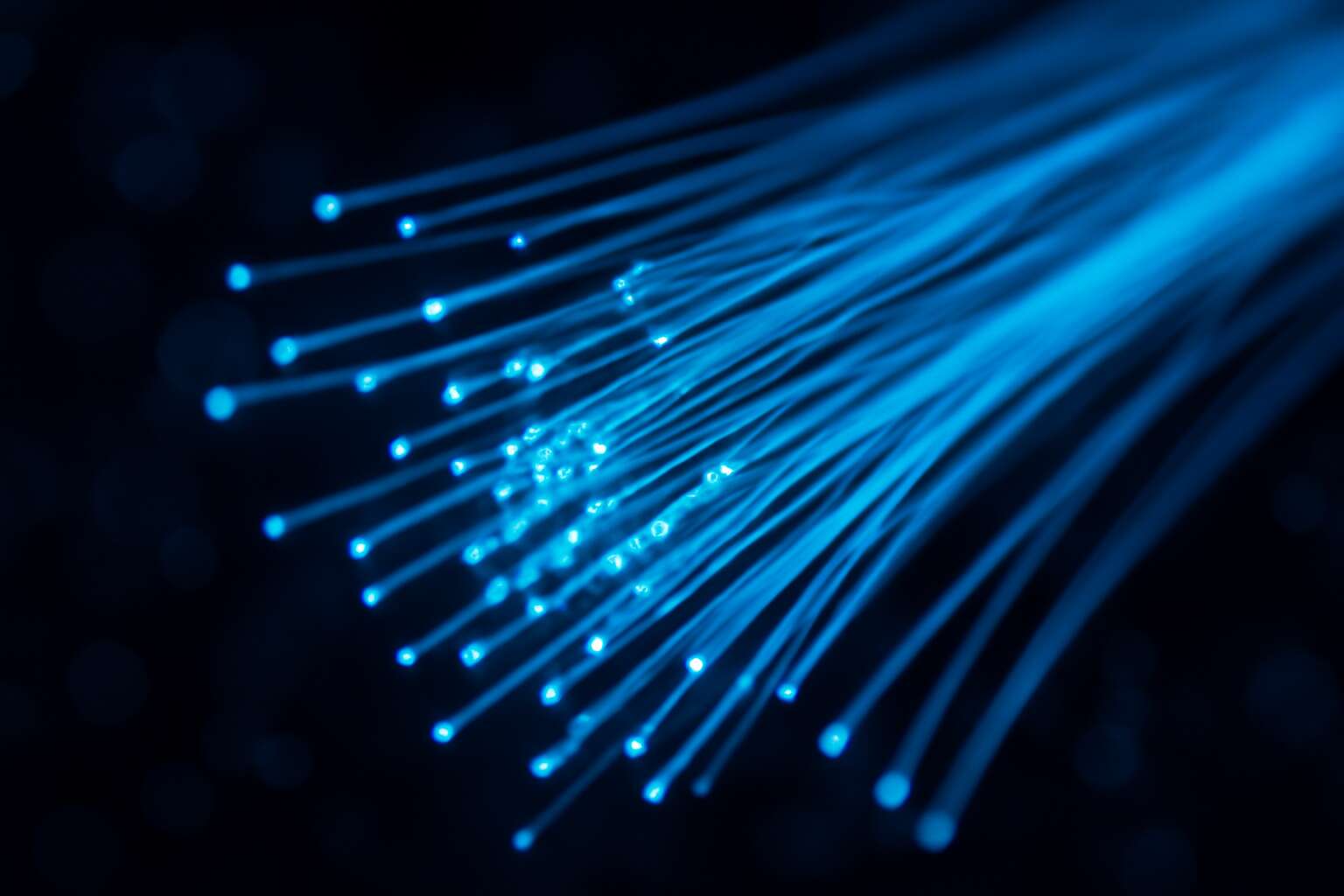
Fibre optic technology uses glass or plastic strands to carry light signals, delivering data with minimal loss. The core guides the light through a coated cladding, enabling long-distance transmission without repeaters. Light-based transmission resists electrical interference, making connections steadier in busy cities and rural towns alike.
- High bandwidth capacity and future-proof infrastructure
- Low latency and strong signal integrity for real-time apps
- Immunity to electromagnetic interference and weather resilience
From business districts to households, this approach keeps conversations clear and cloud services responsive. It’s not just faster speeds; it’s a stable platform for innovation and public services that rely on robust connectivity.
Core components and transmission principles
South Africa’s digital shift is undeniable: fibre installations grew in double digits last year, turning fast internet from a luxury into a daily necessity for schools, homes, and small businesses. The quiet reliability behind that momentum hides a simple truth—the ability to push light further, faster, with less interference. What we choose to connect, and to whom, is a question of culture as much as cables.
Inside the cable, slender strands of silica or polymer carry the signal. The core guides light; the surrounding cladding uses a refractive index difference to keep the light bouncing along. A durable jacket shields the delicate strand, while transmitters and receivers translate between photons and digital data.
To map the hardware in simple terms:
- Core and cladding form the optical conduit
- Buffer and jacket protect against moisture and stress
- Light sources such as laser diodes and LEDs drive the signal
- Photodetectors and receivers convert light back to electrical signals
Transmission principles emphasize elegant physics: total internal reflection keeps signals contained, enabling long runs without repeaters. These fibre optic advantages—high bandwidth and low latency—support real-time apps and cloud services across South Africa’s cities and rural towns, turning connectedness into a shared public good.
Key advantages over copper cabling
South Africa’s fibre rollouts surged 28% last year, turning the dream of universal connectivity into a measurable reality. ‘Speed equals trust’ becomes a daily mantra as households, schools, and small businesses experience reliable, high-capacity links that stay strong even under load.
Beyond the numbers, the advantages reveal themselves in four areas:
- Massive bandwidth for multi-device traffic.
- Longer reach reduces the need for repeaters.
- Immunity to electromagnetic interference.
- Easier installation with lighter, smaller cabling.
Fibre’s light-based signals travel farther with less interference, letting South African communities enjoy faster streaming, smoother cloud access, and resilient networks that future-proof growth. These fibre optic advantages translate into everyday reliability and growth.
Fundamental terms: bandwidth, latency, attenuation
South Africa’s digital landscape glows brighter as 28% more households and businesses connect to fibre than copper last year—a quiet awakening. Bandwidth, latency, and attenuation are the three constellations that govern this lattice, shaping how quickly signals traverse the globe, how long they pause, and how far light can travel before losing its edge.
- Bandwidth: the volume of data a channel can carry at once, like a broad highway for bits.
- Latency: the delay between a request and a response, the heartbeat of interaction.
- Attenuation: the fading of a signal with distance, the tether that limits reach.
When these terms align, the narrative of fibre evolves into tangible advantages. These elements illuminate the path to fibre optic advantages, delivering steady throughput, predictable performance, and a future-ready network that speaks softly yet carries a profound gravity!
Performance Benefits of Fibre Optics
High bandwidth capacity and scalability
“Speed is the new currency,” notes a SA network director, and fibre optic advantages are the vault where that cash lives. In practice, fibre optics deliver enormous, predictable capacity—enough bandwidth to power cloud workloads, 4K collaboration, and crisp video calls without the dreaded jitter. The scalability is the real trick: when demand grows, you light up more wavelengths, not replace copper. Upgrades happen faster, cheaper, and with far less disruption.
- WDM adds multiple channels on one fibre, boosting capacity without digging new cables.
- Low attenuation lets signals travel further, reducing equipment needs.
- Steady performance under load supports real-time apps and backups.
For South Africa, that translates to dependable connectivity across offices, campuses, and data centres, even in urban grids or remote nodes. Fibre-backed networks also resist EMI and weather, keeping critical operations humming when copper lines struggle.
Low latency for real-time services
Milliseconds matter in South Africa’s fast-moving networks. “Speed is the new currency,” a SA network director says, and fibre optic advantages turn that currency into predictable performance: ultra-low latency, minimal jitter, and crisp real-time services from video conferencing to remote diagnostics.
- Ultra-low latency supports real-time apps, telepresence, and live collaboration
- Predictable throughput under peak loads reduces interruptions
- Deterministic delivery keeps backups timely and consistent
In SA, those benefits translate to smoother connectivity across offices, campuses, and data centres—whether in dense urban grids or remote nodes. These fibre optic advantages extend beyond speed to resilience against EMI and weather, keeping critical operations humming when copper lines falter.
Reliability and interference resistance
In South Africa’s fast-moving networks, uptime is the new currency, and the edge goes to those who invest in fibre. Industry chatter pegs SA uptime near 99.9%, a figure that changes how teams plan, collaborate, and execute in real time.
Reliability and interference resistance matter as networks scale. These fibre optic advantages translate to consistent throughput under peak loads, resilience against EMI, and stable performance during storms.
- Consistent throughput under peak loads
- Resilience against EMI and electrical noise
- Weather and lightning resistance for outdoor links
Across offices, campuses, and data centres nationwide, the calm, dependable signal keeps critical services humming—from video conferences to remote diagnostics—without the jitter that copper can’t avoid. That dependable backbone enables South Africa’s digital ambitions to unfold with confidence.
Applications Across Industries
Enterprise networks and data centres
In a country where every byte matters and outages bite hard, 99.999% uptime is more than a dream—it’s the fibre optic advantages at work in South Africa’s enterprise spaces.
Applications Across Industries. Across sectors, the fibre backbone powers enterprise networks and data centres with quiet precision, like a beacon through the dusk. In South Africa, finance houses, mining operators, media houses, and public institutions lean on fibre to stream, back up, and grow without bottlenecks.
- Finance and banking
- Mining and energy
- Media and telecommunications
- Healthcare and education
Within enterprise networks and data centres, the technology lends itself to resilient, scalable architectures—compact, modular, and easier to reason about during maintenance windows. Its silent efficiency lowers energy footprints and fortifies security with physical and logical integrity, letting teams focus on the work that matters.
FTTH and telecom networks
South Africa’s enterprise networks pulse with reliability; in this arena, 99.999% uptime is no longer a dream—it’s the fibre optic advantages at work. FTTH projects and carrier-level telecoms are rewriting expectations, delivering speed that greets every user and resilience that shrugs off weather, distance, and interference. The promise isn’t loud; it’s precise: a quiet backbone that keeps data flowing as workloads shift from office to cloud.
Across industries, FTTH and telecom networks use fibre to stream, back up, and scale without bottlenecks. I’ve watched teams re-architect data centres around modular fibre cores, reducing maintenance window chaos and sharpening security. The fibre optic advantages extend to energy efficiency and predictable performance, letting organisations grow their digital ambitions with confidence and a future-proof backbone.
Industrial control and manufacturing
Reliability is non-negotiable on the factory floor, and in SA it’s where fibre optic advantages show their strength. Across mining and manufacturing hubs, 99.999% uptime isn’t a dream—it’s what we deliver when I connect the line with fast, interference-free data and resilient links.
- Real-time PLC control and safety interlocks on the line
- Machine vision for high-speed defect detection
- Remote diagnostics and predictive maintenance
- Energy monitoring and sensor networks across large plants
On the factory floor, these advantages translate to calm networks under load, long distances between equipment, and cleaner isolation in power-rich environments. Sensors and cameras feed streams without bottlenecks, helping SA manufacturers stay competitive as they push Industry 4.0 and digital twins from concept to reality.
Healthcare and research facilities
Some hospitals operate when the lights are out, metaphorically speaking; a network’s resilience becomes a lifeline. “The network is the heartbeat of modern medicine,” murmurs a South African CTO, and the fibre optic advantages are more than tech talk—they keep ICU monitors steady through storms and power quirks.
In hospitals and research labs, fast, interference-free links mean the difference between life-saving insight and delay. Real-time patient monitoring, telemedicine, and high‑resolution imaging ride on steady streams; lab automation and remote collaboration flourish in controlled, noise-free corridors where every data point matters and every decision can be swift and sure!
Key applications include:
- Real-time patient monitoring networks
- High‑resolution medical imaging transfer
- Telemedicine and remote diagnostics
- Lab automation and research sensor networks
Across South Africa’s healthcare and research facilities, these luminous threads weave reliability into corridors, turning shadows into clarity and care into evidence.
Public infrastructure and smart cities
When the lights flicker, fibre keeps the city speaking. Across South Africa, public infrastructure and smart city projects rely on the steady cadence of high-capacity links. The fibre optic advantages are more than speed—they are resilience, reliability and future-readiness, supporting networks that power traffic, lighting, and emergency services in dense urban cores and remote districts alike; applications across public infrastructure include:
- Smart traffic management
- Public safety comms
- Utility monitoring
- Environmental sensing
I’ve seen it in action. From autonomous traffic signals that smooth commutes to fault-tolerant public safety channels that keep first responders coordinated, the impact is tangible. By transporting vast streams of data with minimal delay, these capabilities enable real-time city management, environmental monitoring, and citizen services that scale as the city grows.
Cost, Maintenance, and Long-Term Value
Total cost of ownership and energy efficiency
Amid the hum of South Africa’s business world, fibre networks cut through the night like clean glass. In 2024, SA’s fibre rollout grew by over 25%, proof that speed is no longer a luxury. The fibre optic advantages go beyond bandwidth, delivering dependable service and a steadier IT heartbeat.
Cost wise, the upfront outlay can loom large, yet the long arc reveals savings as downtime falls and energy use drops. Total cost of ownership becomes friendlier when you factor in fewer outages and longer lifecycles.
Maintenance is lean with fibre. The glass resists EMI and corrosion, while networks rely on fewer active devices, trimming on-site visits and spares.
- Lower downtime and greater predictability
- Fewer replaceable components and service calls
- Longer maintenance intervals
Over time, energy efficiency compounds with scale. Cooler data centres and a steadfast backbone—these are the long-term dividends of fibre.
Installation considerations and scalability
The upfront outlay for fibre optic networks can loom large, yet the fibre optic advantages unfold as downtime falls and energy use drops. In SA’s fast-growing business world, the cost curve bends toward resilience, with longer lifecycles and fewer outages shaping a healthier balance sheet.
Maintenance is lean—glass resists EMI and corrosion, and networks rely on fewer active devices. That translates to fewer on-site visits and tighter spares, turning upkeep into a predictable rhythm rather than a scramble.
Long-term value hinges on installation considerations and scalable design. Plan for growth, easy terminations, and compatible upgrades that avoid a wholesale rebuild of the backbone. These choices keep the backbone robust as workloads evolve, a practical demonstration of fibre optic advantages in action.
- Site surveys and conduit readiness
- Modular, scalable hardware and future speeds
- Centralised management and energy budgeting
Maintenance and durability in harsh environments
Costs upfront for fibre networks can loom large, especially in SA’s growing markets. Yet downtime falls and energy use drops, turning capex into a durable asset with tangible payback. Over the network’s life, total ownership costs trend toward predictability and resilience.
Maintenance becomes lean: glass resists corrosion and EMI, and fewer active devices mean fewer on-site visits. In SA’s varied climates, rugged, sealed links stay steady through heat, dust, and vibration, turning upkeep into a predictable rhythm.
Long-term value rests on scalable design. Plan for growth with modular hardware and simple terminations that avoid a backbone rebuild. In harsh environments, sealed housings and resilient fibers keep performance steady as workloads evolve—these fibre optic advantages delivering reliability you can rely on.
Future-proofing and upgrade paths
Uptime is the currency of South Africa’s digital economy, and a single outage can cost more than a month’s budget! These fibre optic advantages translate into steadier throughput and lower energy use, turning upfront capex into a durable asset that pays back in reliability and resilience.
Maintenance becomes lean as glass resists corrosion and EMI, and fewer active devices means fewer on-site visits. In SA’s climate, rugged, sealed links stand up to heat, dust, and vibration, turning upkeep into a predictable rhythm.
Long-term value rests on future-proofing and upgrade paths. Plan with modular hardware and simple terminations that avoid a backbone rebuild. Sealed housings and resilient fibers keep pace as workloads evolve.
- Modular hardware that scales with demand
- Sealed housings designed for harsh environments
- Simple terminations for rapid upgrades


0 Comments