
Understanding Fibre Optic Fabric
What is Fibre Optic Fabric?
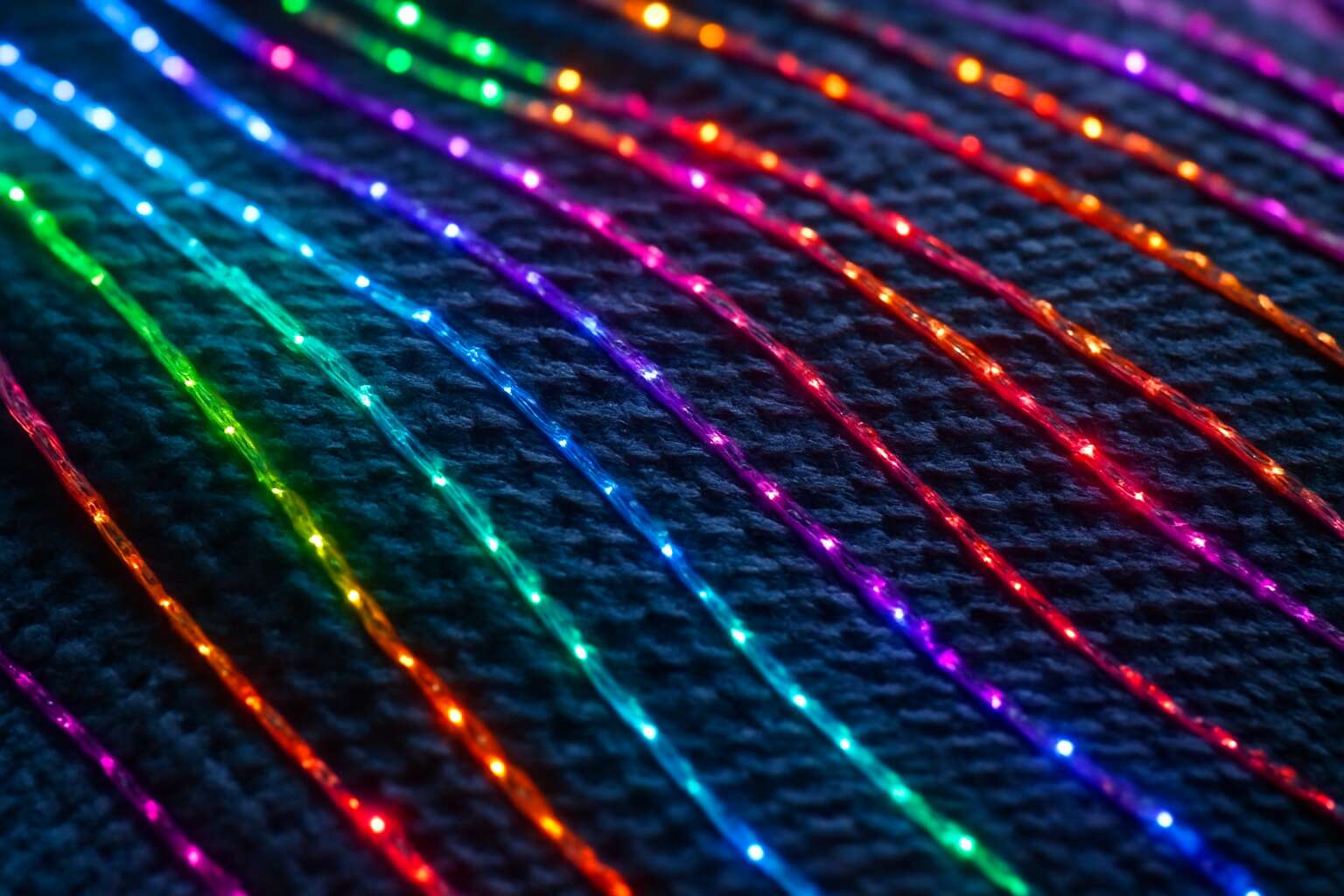
In the realm of textile innovation, fibre optic fabric emerges as a marvel of modern craftsmanship—an intricate tapestry woven with threads of light and technology. This extraordinary material transforms traditional textiles into luminous canvases, capable of dazzling visual displays or discreetly transmitting data. Imagine fabrics that glow softly in the dark or dynamically change colour—such is the power of fibre optic fabric, a fusion of artistry and engineering.
At its core, fibre optic fabric integrates ultra-fine strands of optical fibres seamlessly within textile fibers, creating a fabric that is both flexible and functional. This marvel not only enhances aesthetic appeal but also opens doors to endless possibilities in wearable technology, smart clothing, and innovative design. Whether for high-end fashion or practical applications, fibre optic fabric offers a luminous touch to any creation.
Understanding fibre optic fabric involves appreciating its unique properties. The optical fibres within the textile transmit light through internal reflection, allowing the fabric to emit light in various colours and intensities. This gives designers and engineers a versatile platform to craft mesmerizing visual effects or embed communication channels directly into clothing and upholstery. As this technology advances, fibre optic fabric continues to captivate the imagination of innovators across South Africa and beyond.
How Does Fibre Optic Technology Work?
Fibre optic fabric captivates because it transforms the very essence of textiles—turning ordinary cloth into a conduit of light and information. But how does this seemingly magical process work beneath the surface? At its core, fibre optic fabric relies on the principles of optical fibre technology, which has revolutionized communication worldwide. It’s a delicate dance of light within slender strands of glass or plastic, seamlessly woven into textiles that glow, shift, and transmit data.
The magic unfolds through a process known as internal reflection. Light enters the ultra-fine optical fibres embedded in the fabric and bounces along their length, staying trapped inside due to the difference in refractive indices. This allows the fabric to emit various colours and intensities of light, depending on the input signal. The result? A luminous textile capable of displaying dynamic visual effects or facilitating discreet data transfer.
To clarify, the technology involves:
- Embedding ultra-fine optical fibres within textile fibers, creating a flexible, luminous fabric.
- Using light sources—such as LEDs or laser diodes—to transmit signals through these fibres.
- Employing detectors or sensors to interpret the light signals, enabling communication or visual display within the fibre optic fabric.
By harnessing these mechanisms, fibre optic fabric becomes a versatile platform for innovation, blending artistry with engineering. Its ability to emit vibrant, changing colours and transmit data quietly within clothing or upholstery is nothing short of extraordinary—an intersection of human creativity and technological mastery that continues to evolve across South Africa and beyond.
Types of Fibre Optic Fabrics
In the realm of textile innovation, fibre optic fabric emerges as a luminous marvel, each thread whispering tales of technological artistry. But beneath its shimmering surface lies a fascinating taxonomy—distinct types of fibre optic fabrics, each crafted to serve a unique purpose. These fabrics are not mere cloth; they are woven symphonies of light and function, transforming environments and experiences alike.
One prominent category is the luminous textile, where fibre optic fabric is designed to emit vibrant, customizable colours—perfect for fashion statements or captivating stage designs. Then there are data-embedded fabrics, seamlessly integrating communication channels within the textile’s fiber matrix—ideal for smart clothing or interactive displays. These fabrics use embedded ultra-fine optical fibres, making them flexible yet capable of transmitting intricate information with grace and precision.
To understand the diversity, consider these classifications:
- Decorative Fibre Optic Fabric: Embraces aesthetics, shifting colours and patterns in harmony with the wearer or environment.
- Functional Fibre Optic Fabric: Focuses on data transmission and sensor integration, transforming textiles into smart interfaces.
- Hybrid Fibre Optic Fabric: Merges visual appeal with technological prowess, creating textiles that are both beautiful and intelligent.
Each type of fibre optic fabric is a testament to the boundless possibilities where engineering meets artistry—an exquisite dance of light, fabric, and purpose that continues to redefine the fabric of our future in South Africa and beyond!
Key Materials Used in Fibre Optic Fabric Production
At the heart of innovative textile design lies the careful selection of materials—each chosen for its ability to seamlessly integrate light and functionality. When it comes to fibre optic fabric, the materials used are as vital as the technology itself, shaping how these luminous textiles perform and endure. The primary material in fibre optic fabric is the ultra-fine optical fibre, which acts as a conduit for light, transforming simple textiles into dynamic displays of color and information.
These optical fibres are typically made from high-quality glass or plastic, chosen for their durability and flexibility. Glass optical fibres offer exceptional light transmission and longevity, making them ideal for high-performance applications, while plastic variants are favored for their lightweight nature and ease of integration into textiles. The choice of core and cladding materials ensures minimal signal loss, allowing fibre optic fabric to shine brightly across a multitude of uses.
In addition to the optical fibres, the fabric matrix itself is often composed of textiles like polyester, nylon, or specialized synthetic fibers. These materials provide the necessary structural support, flexibility, and comfort, ensuring the fibre optic fabric remains both functional and wearable. Incorporating these materials requires meticulous engineering, as the fabric must accommodate the delicate optical fibres without compromising its aesthetic or tactile qualities.
Understanding the key materials used in fibre optic fabric production reveals a fascinating intersection of science and artistry. The meticulous selection and combination of these materials enable the creation of textiles that are not only visually captivating but also technologically versatile—ushering in a new era of smart clothing, decorative displays, and interactive environments.
Applications of Fibre Optic Fabric
Smart Clothing and Wearables
Fibre optic fabric is transforming the landscape of smart clothing and wearables, especially in South Africa where innovation meets practicality. These fabrics are not just stylish—they serve as vital communication tools, health monitors, and safety devices. Imagine clothing that can relay vital signs, track movement, or even change color based on environmental conditions.
Applications range from medical wearables that monitor patient health to athletic gear that provides real-time feedback on performance. In workplaces, fibre optic fabric enhances safety by integrating alert systems directly into uniforms. For consumers, it offers an intuitive way to stay connected and protected.
In wearable technology, the versatility of fibre optic fabric allows for seamless integration of sensors and displays. As the technology advances, expect these fabrics to become more durable and adaptable, opening new frontiers in smart clothing and wearable innovation.
Medical and Healthcare Uses
In the realm of medical innovation, fibre optic fabric is emerging as a beacon of hope and precision. Its ability to transmit data seamlessly through woven threads transforms traditional healthcare delivery, making remote monitoring more accessible and reliable. Imagine patients in South Africa wearing garments embedded with fibre optic fabric that continuously relay vital signs—heart rate, oxygen levels, and even hydration status—directly to medical professionals. This isn’t science fiction; it’s the cutting edge of healthcare technology.
Fibre optic fabric offers unparalleled versatility in medical applications, especially in clinical settings and home care. It can be integrated into bandages and hospital gowns, enabling real-time health monitoring without cumbersome equipment. Some innovative applications include:
- Continuous ECG and blood pressure tracking
- Temperature sensing to detect infections early
- Wearable sensors that monitor respiratory function
As South Africa’s healthcare landscape evolves, fibre optic fabric stands out as a vital tool to enhance patient outcomes, reduce hospital stays, and provide more personalized care. Its potential to revolutionize medical and healthcare practices is as profound as it is promising, weaving the future of medicine into every fiber.
Military and Tactical Gear
In the high-stakes environment of modern warfare and tactical operations, fibre optic fabric is transforming the way soldiers and security personnel operate. Its ability to provide real-time data transmission through woven threads offers an unprecedented edge in battlefield awareness and personal safety. Imagine combat gear that not only shields but also continuously relays vital information—heart rate, body temperature, and even location—directly to command centers. This fusion of resilience and intelligence elevates tactical gear from mere protection to a sophisticated, integrated system.
Applications of fibre optic fabric in military gear are both diverse and profound. It enables the creation of lightweight, flexible uniforms embedded with sensors that monitor physiological stress and environmental conditions. For instance, soldiers can wear fibre optic fabric-based clothing that detects temperature fluctuations, helping prevent heatstroke or hypothermia. The technology also supports:
- Enhanced communication through embedded data channels
- Seamless integration with night vision and other tactical devices
- Real-time damage assessment and situational awareness
As South Africa faces complex security challenges, fibre optic fabric stands at the frontier of military innovation. It’s not just about protection anymore—it’s about creating a resilient, intelligent shield that adapts to the chaos of combat and the unpredictability of modern threats. With each woven thread, the fabric becomes a silent sentinel, weaving safety and strategy into every fiber of the soldier’s gear.
Fashion and Decorative Textiles
Fibre optic fabric is quietly revolutionising the realm of fashion and decorative textiles, blending technology with artistry in stunning ways. Its ability to transmit light through woven threads transforms ordinary fabrics into luminous canvases, captivating viewers with dynamic displays of colour and motion. Imagine garments that glow seamlessly in low light or textiles that change hue with the environment—this isn’t science fiction, but the real promise of fibre optic fabric in the creative industries.
In the world of decorative textiles, fibre optic fabric offers boundless possibilities for enhancing ambiance and aesthetic appeal. From avant-garde fashion shows to immersive art installations, designers are leveraging its unique properties to craft eye-catching visual effects. For instance, stage costumes embedded with fibre optic threads create mesmerizing light patterns that respond to movement, elevating performance art to new heights.
Applications extend into home décor as well, where fibre optic fabric can be integrated into curtains, upholstery, or wall hangings, transforming interiors into luminous environments. The versatility of fibre optic fabric allows for the creation of intricate, customizable lighting effects—perfect for themed environments, luxury hotels, or experiential retail spaces. Its lightweight and flexible nature make it an ideal choice for designers eager to push the boundaries of traditional textiles.
- Fashion statements that captivate and surprise audiences
- Decorative textiles that set mood and atmosphere with luminous effects
- Innovative applications in interior design and experiential environments
As South Africa’s creative scene embraces technological innovation, fibre optic fabric stands out as a catalyst for artistic expression. It’s not just about illumination but about weaving stories, emotions, and identity into fabric—turning ordinary textiles into extraordinary visual experiences that resonate long after the lights go out.
Industrial and Safety Applications
Fibre optic fabric is transforming industrial and safety applications across South Africa. Its ability to transmit light efficiently makes it a game-changer in high-risk environments. For example, safety gear embedded with fibre optic fabric enhances visibility during night shifts or in low-light conditions, reducing accidents significantly.
In industrial settings, fibre optic fabric can be integrated into uniforms and equipment to improve worker safety. The fabric’s luminous properties ensure that personnel are always visible, even in challenging conditions. Additionally, it can be used in emergency signage, guiding evacuees quickly and clearly during crises.
In safety applications, fibre optic fabric is often incorporated into protective clothing, such as high-visibility jackets and helmets. Here, it provides a seamless glow that doesn’t fade or require power, offering long-lasting illumination. Its durability and flexibility make it suitable for demanding environments, from construction sites to mining operations.
- Enhanced visibility in low-light conditions
- Improved safety for workers and emergency responders
- Durable and flexible for demanding industrial environments
Fibre optic fabric’s adaptability extends further into safety signage and warning systems, where its luminous properties ensure clear communication during critical moments. As South Africa continues to embrace technological innovation, fibre optic fabric stands out as a vital component in advancing industrial safety standards and protective measures.
Advantages of Fibre Optic Fabric
Enhanced Durability and Flexibility
In the realm of textiles, fibre optic fabric emerges as a marvel of resilience and adaptability, redefining what is possible in fabric technology. Its enhanced durability ensures that garments and applications withstand the harshest of environments—be it the relentless South African sun or rugged industrial settings. This fabric’s inherent flexibility, akin to a dancer’s grace, allows it to bend, stretch, and adapt without sacrificing its luminous core. It’s a testament to the marriage of strength and suppleness, promising longevity and versatility.
One of the most compelling advantages of fibre optic fabric lies in its ability to blend form with function seamlessly. It’s not merely a fabric but a conduit of light and information, capable of enduring repeated wear and tear while maintaining its integrity. The resilience of fibre optic fabric unlocks potential across diverse sectors—from fashion and safety gear to cutting-edge medical devices. As technology advances, so does the promise of fibre optic fabric’s durability, lighting the way for innovative applications that demand both strength and delicate finesse.
Superior Data Transmission Capabilities
Fibre optic fabric is revolutionizing the way we think about data transmission in textiles. Its superior ability to transmit light and information with minimal loss opens a new realm of possibilities for industries seeking seamless communication embedded within fabric surfaces. Imagine garments that not only look stunning but also serve as silent messengers, transmitting real-time data with astonishing clarity and efficiency.
The magic lies in its capacity for high-speed data transfer, which surpasses traditional electronic systems. Fibre optic fabric can handle vast streams of information—think of it as a luminous highway woven directly into the textile. This capability is especially vital in sectors such as healthcare, military, and industrial safety, where rapid and reliable data transmission can make all the difference.
Moreover, the integration of fibre optic fabric with smart systems enhances its functionality. Whether it’s transmitting vital signs in medical wearables or coordinating tactical movements in military gear, the robust data capabilities of fibre optic fabric are unparalleled. Its ability to combine durability with high-performance data transfer truly makes it a marvel of modern textile innovation.
Lightweight and Comfortable
Fibre optic fabric isn’t just a tech marvel; it’s a lightweight champion that redefines comfort in wearable tech. Unlike heavy traditional textiles, fibre optic fabric boasts a sleek, airy feel—making it perfect for those who refuse to sacrifice comfort for innovation. Imagine clothing that feels like a second skin, yet carries a universe of data within its threads. That’s the beauty of fibre optic fabric: it seamlessly blends high-tech with high comfort.
For industries craving mobility and ease, fibre optic fabric offers a significant advantage. Its flexible nature means it can bend, stretch, and move with you—no stiff wires or bulky components. This flexibility is a game-changer, especially in sectors like healthcare and military, where agility is vital. Plus, its feather-light design ensures that even the most tech-heavy garments stay comfortable during long wear, making fibre optic fabric a true pioneer in smart textiles.
To put it simply, fibre optic fabric’s lightweight and comfortable profile isn’t just a luxury—it’s a necessity for modern applications. Whether woven into fashion-forward clothing or integrated into tactical gear, its ability to keep users comfortable while transmitting data at lightning speed is nothing short of revolutionary. As the fabric of the future, fibre optic fabric is here to stay—and it’s changing the game one thread at a time.
Integration with Smart Technologies
Integrating fibre optic fabric with smart technologies unlocks a new realm of possibilities. Its ability to transmit data seamlessly within clothing or gear means applications are expanding rapidly. In industries like healthcare, this integration allows for continuous health monitoring without sacrificing comfort or mobility.
Moreover, fibre optic fabric’s compatibility with sensors and electronics makes it ideal for creating responsive environments. For example, smart textiles embedded with fibre optic fabric can adjust lighting, temperature, or even provide real-time feedback based on user movement. This synergy enhances functionality and user experience in ways traditional materials simply cannot match.
Here’s a quick overview of the core advantages:
- Real-time data transmission for instant feedback
- Enhanced connectivity in wearable tech
- Reduced bulk and increased flexibility for ergonomic designs
This combination of lightweight, comfort, and cutting-edge data capabilities cements fibre optic fabric as a cornerstone of future-ready smart textiles. Its integration with advanced technology is transforming everything from fashion to critical industries—making it a game-changer on every front.
Increased Safety and Security Features
In a world where safety and security are paramount, fibre optic fabric emerges as a silent guardian, offering unprecedented levels of protection. Its ability to detect minute disturbances or breaches makes it invaluable in sensitive environments. When integrated into security systems, fibre optic fabric can serve as an early warning mechanism, alerting personnel to tampering or intrusion in real time. This proactive approach enhances security protocols across various sectors, from high-security facilities to personal safety gear.
Moreover, fibre optic fabric’s inherent transparency and sensitivity enable it to function as a sophisticated sensor network. For example, embedded within tactical gear or protective clothing, it can monitor environmental conditions or even the wearer’s vital signs, providing crucial data during critical moments. The seamless transmission of this data ensures rapid response times, significantly reducing risks associated with safety breaches or health emergencies.
One of the most compelling advantages is its ability to enhance safety through design innovations that make security features less obtrusive. Instead of bulky sensors or cumbersome systems, fibre optic fabric can be woven into everyday clothing or equipment, offering discreet yet robust protection.
- Early detection of tampering or breaches
- Real-time data transmission for swift response
- Discreet integration into protective gear
This combination of subtlety and sophistication cements fibre optic fabric as a cornerstone of next-generation safety solutions, especially vital in high-stakes environments across South Africa and beyond. Its potential to revolutionize security infrastructure is both profound and inspiring, heralding a new era where safety is woven seamlessly into the fabric of our lives.
Manufacturing Processes for Fibre Optic Fabric
Weaving and Knitting Techniques
Manufacturing fibre optic fabric is a delicate dance of innovation and precision, where the goal is to embed shimmering threads of light into textiles without turning them into a tangled mess. Unlike traditional weaving, which is more about creating sturdy, patterned cloth, fibre optic fabric weaving involves delicate manipulation of ultra-thin optical fibers that transmit data and light with astonishing clarity. The process demands a high level of craftsmanship, balancing flexibility with durability—because nobody wants their smart clothing to fall apart after a single wash!
Knitting techniques, on the other hand, add a layer of versatility that weaving can’t always match. Knitting fibre optic fabric allows for stretchier, more form-fitting designs perfect for wearables and medical textiles. During production, fibers are carefully integrated into the yarns, often using specialized machinery that ensures the fibers are evenly distributed. This meticulous process guarantees that the fabric not only looks sleek but also maintains its superior data transmission capabilities. For those who appreciate a bit of technical artistry, here’s a quick peek at the key steps involved:
- Selection of high-quality optical fibers tailored for textile integration.
- Embedding fibers into yarns through advanced knitting or weaving machines.
- Ensuring proper insulation and protection to preserve fibre optic functionality during wear and tear.
- Testing the fabric’s data transmission and light-emitting properties before it hits the runway or the lab bench.
This manufacturing finesse results in fibre optic fabric that’s lightweight, flexible, and bursting with potential—perfect for futuristic fashion, medical monitoring, or even tactical gear. The process is a testament to how far textile technology has come, transforming humble threads into conduits of light and data—truly, a luminous revolution in fabric manufacturing!
Embedding Fibre Optics into Textiles
In the shadowed corridors of textile innovation, the manufacturing process for fibre optic fabric resembles a meticulous dance with darkness and light. Embedding delicate optical fibers into textiles requires a mastery that borders on alchemy, transforming humble threads into conduits of luminous potential. The process begins with selecting high-quality optical fibers—thin, resilient, and designed specifically for integration into fabrics—each one a fragile strand of pure light waiting to be unleashed.
Next, these fibers are carefully embedded into yarns using advanced knitting or weaving machinery, a step that demands precision and patience. Ensuring that each fiber remains protected from the rigors of daily wear is paramount; therefore, specialized insulation materials shield these delicate threads, preserving their ability to transmit data and emit light without interruption. The entire process is a symphony of craftsmanship and technology, culminating in a fabric capable of transmitting data with startling clarity while maintaining the flexibility necessary for wearable applications.
To verify the integrity of the fibre optic fabric, rigorous testing is conducted, assessing both the light-emitting properties and data transmission capabilities. This critical step guarantees that the final product—whether destined for futuristic fashion or cutting-edge medical devices—meets the highest standards of performance. The result is a lightweight, flexible material that embodies the luminous revolution—an elegant fusion of art and science, woven into the very fabric of the future.
Laser and Heat Fusion Methods
Manufacturing fibre optic fabric is a delicate dance of precision and innovation, where laser and heat fusion methods take center stage. These techniques ensure that the optical fibers are seamlessly integrated into textiles, creating a durable yet flexible material. The laser fusion process involves precisely melting the ends of optical fibers to achieve a secure, low-loss connection, essential for maintaining high data transmission quality. Conversely, heat fusion employs controlled heating to bond fibers without damaging their fragile cores, resulting in a resilient, luminous textile.
Both methods demand meticulous control and expertise, as even the slightest deviation can compromise the fibre optic fabric’s performance. For instance, during laser fusion, parameters such as laser intensity and exposure time are carefully calibrated to optimize the bond. In heat fusion, temperature regulation is paramount to prevent fiber degradation. The combination of these advanced techniques results in fibre optic fabric that boasts not only superior data transmission capabilities but also enhanced durability and flexibility, making it an ideal choice for high-performance applications.
Quality Control and Testing
In the shadowy realm of fibre optic fabric manufacturing, impeccable quality control and rigorous testing are paramount. As the delicate threads of light woven into textiles whisper secrets of their integrity, each stage of inspection becomes a vital ritual. The faint hum of precision machinery and the flicker of laser scanners serve as guardians, ensuring that every fibre optic fabric sample meets the highest standards of performance.
To preserve the integrity of these luminous textiles, manufacturers employ a suite of testing methodologies. Non-destructive testing, such as optical time domain reflectometry (OTDR), allows for the detection of micro-breaches and loss points without damaging the fabric. Meanwhile, tensile strength tests assess the resilience of the fibre optic fabric, ensuring it withstands the rigors of real-world applications. These meticulous checks are essential, especially when fibre optic fabric is destined for critical sectors like healthcare, military, or industrial safety.
Furthermore, quality assurance integrates advanced visual inspections and automated detection systems that scrutinize every strand for imperfections or inconsistencies. An unordered list of key testing phases illustrates this process:
- Visual Inspection for surface defects and fiber alignment
- Optical Loss Testing to measure signal integrity
- Mechanical Durability Testing for flexibility and resilience
- Environmental Stability Tests to simulate real-world conditions
In this dance of shadows and light, the rigorous quality control of fibre optic fabric ensures that each piece is a masterpiece of durability and luminous precision. Only when these tests are passed does the fabric ascend into its destined role—whether in high-tech fashion, protective gear, or cutting-edge medical textiles—shrouded in the mystique of impeccable craftsmanship.
Challenges and Limitations of Fibre Optic Fabric
Cost and Production Constraints
In the shadowed corridors of innovation, fibre optic fabric remains a marvel cloaked in both allure and obstacle. While its promise of seamless data transmission and luminous aesthetics beckons, the path to widespread adoption is fraught with challenges. One of the most insidious barriers is the formidable cost—both in terms of raw materials and intricate manufacturing processes—that renders fibre optic fabric a luxury rather than a staple. The delicate dance of embedding tiny optical fibers within textiles demands precision, often pushing production constraints to their limits.
Moreover, the inherent fragility of fibre optic elements complicates durability testing, especially when the fabric must endure the rigors of everyday wear. The complexity of weaving or knitting these fibers into resilient textiles means that scalability remains elusive, with production constraints creating bottlenecks in mass manufacture. As the demand for smart textiles surges across sectors—from healthcare to military—these limitations threaten to cast a pall over the luminous future of fibre optic fabric. Only through relentless innovation can these shadows be dispelled, revealing the true potential of this luminous marvel.
Durability and Longevity Concerns
Fibre optic fabric, despite its dazzling potential, faces a stark reality: durability and longevity are not quite the shimmering fairy tales they’re often painted to be. The delicate glass or plastic fibers embedded within these textiles can become brittle over time, especially when subjected to daily wear and tear. Heavy friction, repeated washing, and exposure to environmental elements threaten to turn the luminous wonder into a fragile relic faster than you can say “optical fiber failure.”
For fibre optic fabric to truly revolutionize industries—from fashion runways to military gear—it must withstand the relentless rigors of real-world use. Unfortunately, the inherent fragility of optical fibers often results in performance degradation, making long-term durability a persistent challenge. Manufacturers are exploring innovations like protective coatings and flexible composites, but these solutions sometimes add weight or compromise the fabric’s sleek aesthetic.
In the relentless pursuit of resilience, some experts suggest implementing
- robust weaving techniques
- advanced embedding methods
that could bolster fibre optic fabric’s lifespan. Yet, balancing flexibility, comfort, and durability remains a complex puzzle—one that the industry continues to puzzle over. As demand for smart textiles grows, so does the imperative to overcome these limitations, ensuring fibre optic fabric remains luminous—and lasting—for years to come.
Design and Patterning Difficulties
Designing fibre optic fabric presents a unique set of challenges that often go unnoticed until you’re deep into production. Patterning and weaving fibre optic fabric requires precision, as even minor misalignments can cause performance issues or weaken the overall structure. Unlike traditional textiles, these fabrics demand meticulous attention to detail to ensure the embedded fibers remain functional and visually appealing. The complexity of integrating delicate optical fibers into flexible textiles often results in limited design possibilities, especially when trying to achieve intricate patterns or multi-directional light diffusion.
Additionally, the limitations of current manufacturing techniques can hinder innovation. For example, maintaining uniform fiber distribution while preserving flexibility remains a stubborn obstacle. The process often involves a delicate balance—too rigid, and the fabric loses its comfort; too loose, and the optical fibers risk damage or performance degradation. This delicate dance makes patterning fibre optic fabric a technical puzzle that industry professionals continually strive to solve. As a result, the scope of creative design is sometimes constrained by the technical limitations inherent in fibre optic fabric production.
Environmental and Maintenance Issues
Fibre optic fabric offers remarkable benefits, but it also faces significant environmental and maintenance challenges. Exposure to moisture, UV rays, and harsh chemicals can degrade the delicate optical fibers over time, reducing their lifespan and performance. This makes careful environmental management essential for ensuring durability. Moreover, routine maintenance is critical, as even minor damage can cause light diffusion issues or complete failure of the embedded fibers.
Unlike traditional textiles, fibre optic fabric requires specialized cleaning and handling procedures. Regular washing or exposure to pollutants can lead to fiber misalignment or breakage. To address this, manufacturers often recommend specific care protocols, limiting the fabric’s versatility in everyday use. In environments where durability is vital—such as industrial or outdoor settings—these limitations can restrict the fabric’s application. Ensuring the longevity of fibre optic fabric involves balancing environmental resistance with ease of maintenance, a challenge that industry professionals continue to tackle innovatively.
Future Trends and Innovations in Fibre Optic Fabrics
Advancements in Material Science
The horizon of fibre optic fabric technology is shimmering with promise, driven by rapid advancements in material science. Researchers are exploring innovative materials that not only enhance the durability and flexibility of fibre optic fabrics but also open new avenues for integration with emerging smart technologies. These breakthroughs are paving the way for textiles that can adapt to various environments while maintaining high-performance data transmission capabilities.
One of the most exciting future trends is the development of ultra-lightweight, highly conductive fibres that seamlessly blend into everyday clothing. This evolution will enable fibre optic fabric to become more than just a data conduit; it will transform into a vital part of wearable communication devices and environmental sensors. As these materials become more sophisticated, expect to see fibre optic fabric playing a crucial role in sectors like healthcare, fashion, and industrial safety.
Furthermore, advancements in nanotechnology are offering the potential to embed fibre optics at a microscopic level, making them virtually invisible within textiles. This innovation not only preserves the aesthetic appeal of fabrics but also enhances their resilience against wear and tear. The integration of smart materials with fibre optic fabric could lead to garments that respond to environmental changes or user commands—an exhilarating prospect for designers and engineers alike.
- Enhanced material compositions that improve flexibility and durability
- Integration of nanomaterials for invisibility and resilience
- Development of smart, adaptive textiles with embedded sensors
These innovations are setting the stage for a new era of fibre optic fabric—one where textiles are no longer passive but active participants in our daily lives. As material science continues to evolve, the potential for fibre optic fabric to revolutionize industries and redefine what clothing can do seems virtually limitless. It’s an exciting time for anyone passionate about the future of smart textiles in South Africa and beyond.
Integration with IoT and Smart Systems
The future of fibre optic fabric is nothing short of revolutionary. As IoT and smart systems continue to evolve at a breakneck pace, the integration of fibre optic fabric into everyday life becomes an inevitable reality. Imagine clothing that not only looks good but also acts as a conduit for data—monitoring health metrics, enhancing security, or even controlling smart environments. These textiles are poised to become the backbone of next-generation wearable technology.
Innovations in this field are focusing on embedding sensors directly into fibre optic fabric, creating seamless and intelligent garments. This development opens the door to a variety of applications, from responsive fashion to real-time health diagnostics. To maximize functionality, researchers are experimenting with:
- Wireless data transmission capabilities
- Embedded environmental sensors
- Enhanced security protocols within smart textiles
With these advancements, fibre optic fabric is set to redefine how we interact with our surroundings. The seamless integration with IoT allows for garments and textiles that are not just passive covers but active participants in our daily routines. As South Africa embraces this technological leap, the potential for innovative industries—from healthcare to fashion—becomes virtually limitless. The convergence of fibre optic fabric and smart systems is transforming the fabric of our future — quite literally!
Eco-Friendly and Sustainable Fibre Optic Textiles
As the world shifts towards sustainable innovation, fibre optic fabric is emerging as a beacon of eco-conscious design. Future trends point toward textiles that don’t just dazzle with their technological prowess but also champion environmental responsibility. Imagine garments crafted from eco-friendly materials that incorporate biodegradable polymers or recycled fibres, seamlessly blending high-tech functionality with green principles. This eco-friendly approach ensures that the rapid advancement of fibre optic fabric doesn’t come at the planet’s expense.
One exciting innovation is the development of sustainable fibre optic fabrics that utilize renewable resources, reducing carbon footprints and waste. These textiles are not only lightweight and flexible but also designed to be easily recyclable, aligning with global efforts to combat textile waste. Moreover, researchers are exploring the integration of organic or bio-based fibres that can host fibre optic technology without sacrificing eco-compatibility. Such strides promise a future where high-performance fibre optic fabric becomes a staple in sustainable fashion and industrial applications alike.
To keep pace with environmental imperatives, the industry is also experimenting with
- biodegradable coatings
- low-impact dyeing processes
that preserve the integrity of fibre optic fabrics while minimizing ecological harm. This marriage of innovation and sustainability is shaping the next chapter of fibre optic fabric — one where technological sophistication and ecological mindfulness walk hand in hand, ready to revolutionize industries from South Africa to Silicon Valley.
Potential Market Growth and Opportunities
Future trends in fibre optic fabric are poised to reshape multiple industries, from fashion to defense. As technology advances, the potential market growth for fibre optic fabric expands rapidly. Experts predict that by 2028, the global market could reach several billion dollars, driven by increasing demand for smart textiles and wearable tech. Innovation is key, with researchers exploring bio-based fibres and recyclable components that enhance eco-friendliness. This not only reduces environmental impact but also opens new avenues for sustainable manufacturing.
Industries are eager to adopt these cutting-edge textiles. In fact, the integration of fibre optic fabric into everyday clothing, protective gear, and high-tech accessories is gaining momentum. Companies are investing in developing lightweight, flexible, and highly durable fibre optic fabrics that support seamless data transmission and embedded sensors. The ability to embed multiple functionalities into a single textile makes fibre optic fabric highly attractive for future applications. The push for eco-conscious solutions further accelerates market expansion, creating substantial opportunities for innovation and growth in the coming years.


0 Comments