
Understanding Fibre Optic Broadband
What is Fibre Optic Broadband?
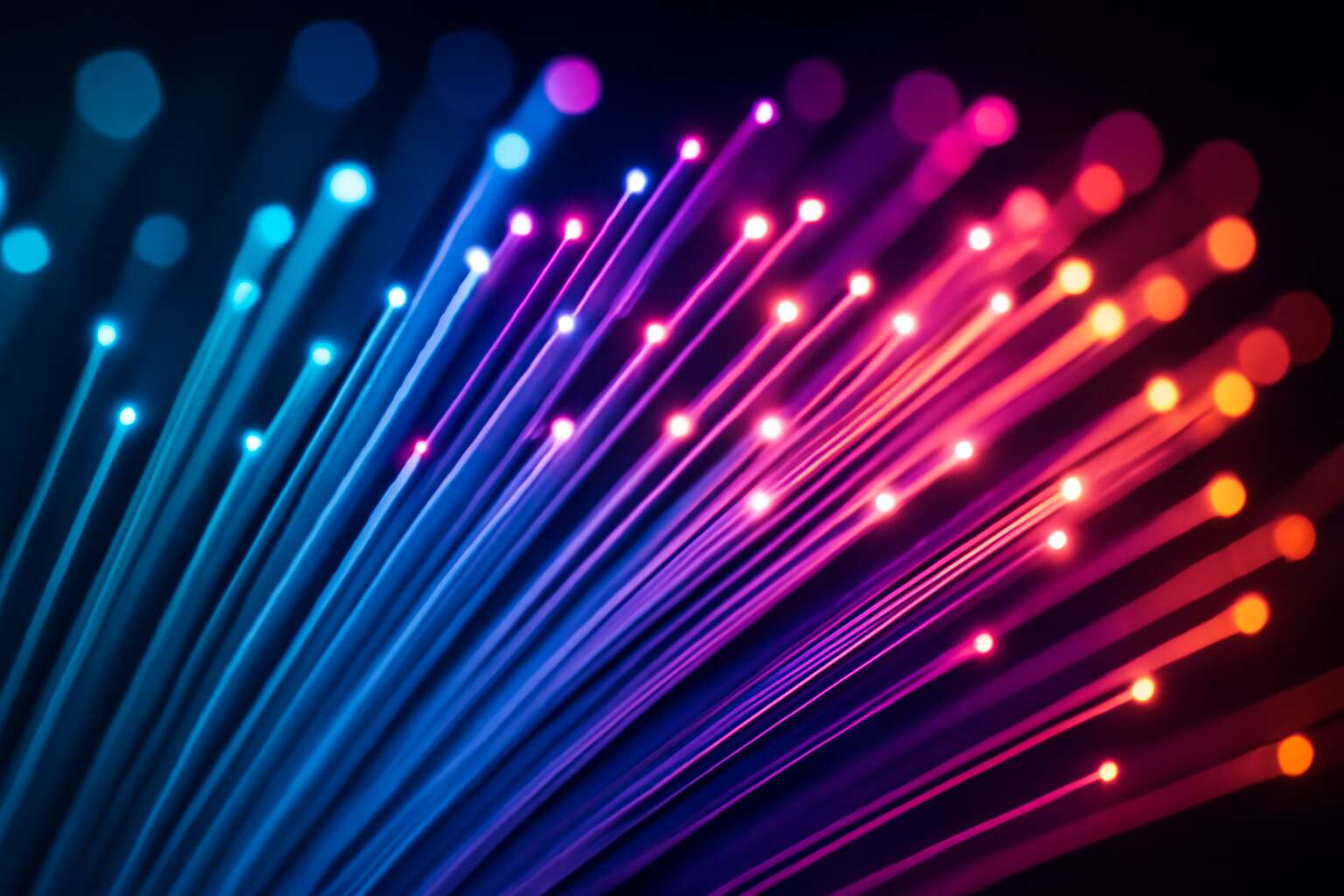
Imagine a network of shimmering glass threads, each one whispering data at lightning speed—this is the essence of fibre optic broadband. Unlike traditional copper cables, fibre optic technology utilises pulses of light to transmit information, resulting in unparalleled speed and reliability. It’s as if the digital world has been granted wings, soaring effortlessly across vast distances with minimal delay.
What makes fibre optic broadband truly captivating is its ability to handle large volumes of data without faltering. Whether streaming a high-definition film, engaging in a virtual meeting, or playing online games, fibre optic connections deliver a seamless experience. For those seeking a robust future-proof solution, fibre optic broadband is the gateway to a world where digital boundaries are redefined.
- Light pulses travel through ultra-thin glass strands
- Data is transmitted at speeds surpassing conventional broadband
- Connections remain stable even during peak usage times
How Does Fibre Optic Technology Work?
Fibre optic broadband isn’t just about blazing fast internet—it’s a marvel of modern engineering that makes our digital lives smoother and more reliable. But how does this cutting-edge technology actually work? At its core, fibre optic broadband relies on ultra-thin strands of glass or plastic—so delicate, they could be mistaken for strands of spun sugar—that carry data via pulses of light. This isn’t your average data transfer; it’s a high-speed relay race where light particles, or photons, zip through the cables at near-invisible speeds.
To understand the magic, consider this: Light signals are sent through the fibres using a technique called total internal reflection. Essentially, the light bounces down the inside of the glass core, staying contained within its boundaries, even over long distances. This process allows data to travel faster and more securely than traditional copper cables, which suffer from interference and signal degradation.
- The light pulses encode digital information—think of them as tiny Morse code messages—whizzing through the fibre with remarkable speed.
- Because of the fibre’s delicate but resilient structure, data can be transmitted over hundreds of kilometres without losing its punch.
- And, unlike copper cables, fibre optic broadband maintains stability even during peak usage times, ensuring your streaming, gaming, or remote working remains uninterrupted.
In essence, fibre optic broadband harnesses the power of light to deliver a seamless, future-ready internet experience that keeps pace with our insatiable digital appetites. It’s the technological equivalent of giving your online world wings—fast, reliable, and ready for what’s next.
Types of Fibre Optic Broadband Connections – Array
Understanding Fibre Optic Broadband: Types of Fibre Optic Broadband Connections
Fibre optic broadband isn’t a one-size-fits-all solution. There are different types of connections designed to suit various needs, from urban centres to remote rural areas. Each type leverages the speed and reliability of fibre optic technology but differs in deployment and accessibility.
The most common is the **fibre to the home (FTTH)** or **fibre to the premises (FTTP)**, which delivers fibre optic broadband directly to your doorstep. This setup provides the fastest speeds and the most stable connection, perfect for heavy internet users, streamers, and gamers.
In contrast, **fibre to the cabinet (FTTC)** involves running fibre from the exchange to local street cabinets, with the final connection to homes via traditional copper cables. While slightly slower, FTTC still offers significant improvements over standard broadband.
For more remote locations, **fibre to the rural (FTTR)** solutions are being developed, extending the reach of fibre optic broadband to areas historically underserved. This expansion aims to bridge the digital divide, ensuring everyone can benefit from high-speed connectivity.
- FTTH / FTTP: Direct fibre to your home for maximum speed.
- FTTC: Fibre to the cabinet, with copper last leg.
- FTTR: Rural fibre solutions for hard-to-reach areas.
As the landscape of fibre optic broadband continues to evolve, so does the potential for a more connected, reliable digital future. The choice of connection type plays a crucial role in how well your internet meets your daily demands.
Benefits of Fibre Optic Broadband
Faster Speeds and Better Performance
In a world where instant connectivity is no longer a luxury but a necessity, fibre optic broadband emerges as a game-changer. Imagine streaming your favourite films without buffering or participating in seamless video calls that feel as natural as face-to-face conversations. This technology offers significantly faster speeds and better performance, transforming everyday online experiences into smooth, reliable interactions.
Fibre optic broadband can deliver internet speeds that are up to ten times faster than traditional broadband, making it perfect for households and businesses alike. The real magic lies in its ability to handle multiple devices simultaneously without compromising on quality. Whether you’re working remotely, gaming online, or simply browsing, fibre optic broadband ensures a consistent and robust connection.
- Enhanced streaming quality without interruptions
- Faster downloads and uploads, saving precious time
- Reliability even during peak usage periods
With these benefits, it’s clear why fibre optic broadband is regarded as the future of connectivity—bringing both efficiency and a touch of modern luxury into daily life.
Enhanced Reliability and Stability
In an era dominated by digital dependence, the stability of your internet connection isn’t just a convenience—it’s a lifeline. Fibre optic broadband stands out for its enhanced reliability, ensuring your online activities remain uninterrupted even during the most demanding times. Unlike traditional broadband, which can falter with increased traffic, fibre optic broadband maintains a steady, robust signal, making it ideal for both work and leisure.
This technological marvel is immune to many of the issues that plague other connections, such as signal degradation or interference. Its fibre-optic cables transmit data using pulses of light, allowing information to travel faster and with greater consistency. For households or businesses juggling multiple devices, this means no more frustrating disconnections or lag spikes. Instead, a seamless experience that keeps pace with the modern pace of life.
Furthermore, fibre optic broadband’s stability ensures high-quality video calls, lag-free gaming, and quick downloads—integral components of today’s interconnected world. With reliability like this, it’s no wonder fibre optic broadband is regarded as the gold standard for future-proof internet connectivity.
Future-Ready Infrastructure
Imagine a world where your internet connection is as reliable as the rising sun—steadfast, bright, and unwavering. Fibre optic broadband paves the way for this future-ready infrastructure, transforming how we connect and communicate. As digital demands escalate, having a resilient and high-capacity network becomes more than a convenience; it’s a necessity for homes and businesses alike.
This advanced technology offers a level of performance that’s difficult to match. With fibre optic broadband, data travels through glass cables using pulses of light, ensuring swift and consistent transmission. This means smoother streaming, quicker downloads, and seamless video calls, even during peak hours. Its inherent design supports multiple users and devices without sacrificing speed or quality, making it perfect for the modern, connected world.
Many organisations are now recognising the importance of future-proof infrastructure—investing in fibre optic broadband ensures they stay ahead in a rapidly evolving digital landscape. Here are some key advantages:
- Superior data capacity to handle increasing bandwidth demands
- Enhanced scalability for future technological upgrades
- Resilience against interference, ensuring stable connectivity at all times
In essence, fibre optic broadband isn’t just about faster internet; it’s about creating a digital backbone capable of supporting innovation, growth, and the demands of tomorrow’s connected society. It’s a gateway to endless possibilities, ensuring your digital experience remains robust and reliable for years to come.
Improved Streaming and Gaming Experience
In a world where buffering wheels are the enemy and lag is the villain, fibre optic broadband offers a hero’s solution. Thanks to its lightning-fast data transmission, streaming and gaming become smoother than a freshly buttered crumpet. No more frustrating pauses or pixelated chaos—just seamless entertainment that keeps pace with your digital lifestyle.
Fibre optic broadband’s supercharged speeds mean you can indulge in high-definition streaming or multiplayer gaming without breaking a sweat. Imagine battling it out online or binge-watching your favourite series with zero interruptions—it’s almost too good to be true! Plus, with its ability to handle multiple devices effortlessly, your entire household can enjoy their digital pursuits without competing for bandwidth.
- Ultra-reliable connections ensuring your game doesn’t freeze mid-battle
- Consistent upload and download speeds for live streaming and content creation
- Low latency, making real-time interactions feel instant—no more ghosting friends during video calls
All this adds up to a digital experience that’s not just faster, but smarter. Fibre optic broadband isn’t just about speed; it’s about elevating your entire online universe—making every click, stream, and game feel like the future is already here.
Supporting Multiple Devices Simultaneously
In today’s hyper-connected world, the average household now relies on multiple devices simultaneously, often without realising how much bandwidth each demands. Fibre optic broadband stands out as the ultimate solution, effortlessly managing this digital symphony. Its high capacity ensures that streaming, gaming, and video conferencing can coexist seamlessly—no more annoying lag or buffering. With fibre optic broadband, your Wi-Fi can support everything from smart home gadgets to work laptops, all without sacrificing speed or stability.
This technology’s remarkable ability to support multiple devices at once stems from its supercharged data transmission capabilities. Unlike traditional broadband, fibre optic connections handle heavy data loads effortlessly, ensuring everyone in the household can indulge in their digital pursuits without interruption. Imagine a scenario where your entire household is engaged in live streaming, online gaming, and remote working—fibre optic broadband makes this chaos a thing of the past.
For households with a high demand for connectivity, the benefits are clear:
- Uninterrupted high-definition streaming
- Lag-free online gaming experiences
- Flawless video calls and virtual meetings
- Effortless handling of multiple smart devices
Fibre optic broadband’s capacity to support multiple devices simultaneously isn’t just a convenience; it’s a game-changer. It transforms your home into a digital fortress, where speed and reliability reign supreme, turning everyday internet use into an experience that feels almost supernatural in its efficiency.
Choosing the Right Fibre Broadband Provider
Key Factors to Consider – Array
Choosing the right fibre optic broadband provider is a decision that can transform your digital experience into something truly extraordinary. With so many options available, it’s essential to consider key factors that align with your unique needs and expectations.
Speed isn’t the only element; reliability and customer support often make the difference between seamless streaming and frustrating interruptions. When evaluating providers, look for those offering future-ready infrastructure—ensuring your connection remains resilient amid technological advancements.
Another critical aspect to consider is the breadth of coverage and the availability of fibre optic broadband in your area. Sometimes, the fastest service isn’t accessible where you live, making coverage a vital consideration.
To simplify your choice, here are some aspects to examine:
- Network stability and uptime guarantees
- Customer reviews and reputation
- Flexibility in contract options and plans
- Additional features like security and technical support
Remember, selecting a provider isn’t just about speed; it’s about forging a reliable connection that supports your digital life with clarity and confidence.
Popular Fibre Broadband Providers – Array
Choosing the right fibre optic broadband provider can feel like navigating a labyrinth of options, yet it’s a critical step towards a seamless digital experience. Some providers have established themselves as household names, boasting extensive coverage and cutting-edge infrastructure. Popular fibre broadband providers such as BT, Virgin Media, and Sky have built reputations by prioritising speed, reliability, and customer service.
When evaluating these options, it’s essential to consider not just the headline speeds but also network stability, uptime guarantees, and the quality of customer support. Many leading providers also offer innovative features like enhanced security, flexible plans, and technical assistance that can elevate your connection from merely functional to extraordinary.
Ultimately, selecting a fibre optic broadband provider is about aligning your needs with a provider’s ability to deliver consistent, future-proof performance—making sure your digital life remains smooth and resilient, no matter what the future holds.
Installation Process and Requirements
How Fibre Optic Broadband is Installed
Fibre optic broadband has revolutionised our digital landscape, but have you ever wondered how the magic of those ultra-fast speeds is brought into your home? The installation process is a carefully orchestrated blend of technology and expertise, ensuring a seamless transition from traditional connections. Contrary to popular belief, setting up fibre optic broadband isn’t simply plugging in a new router; it involves precise planning and specialised hardware to unlock its full potential.
Typically, the process begins with an assessment of your property’s infrastructure to determine the best route for the fibre optic cable. Modern installations often utilise existing ductwork or underground conduits, minimising disruption. Once the pathway is established, the fibre optic cable is carefully laid out and connected to a nearby exchange or distribution point. This connection is then linked to your premises through a fibre termination point, which serves as the gateway to the high-speed network.
To facilitate a smooth installation, some providers require specific requirements, such as a power supply near the termination point or an accessible location for the fibre optic socket. For most homes, a professional technician will handle the entire process—ensuring that the delicate fibre cables are not damaged during deployment. Here’s a quick overview of the typical steps involved:
- Site survey and planning
- Preparation of the installation route
- Fibre cable laying or underground conduit placement
- Connection to the local fibre exchange
- Fibre termination and socket installation in your home
While the technicalities may seem intricate, the result is a resilient, future-proof connection that can handle the increasing demands of today’s connected world. The installation process underscores the importance of a skilled approach—one that respects both the delicate nature of fibre optics and the desire for a reliable, high-speed broadband experience. In essence, fibre optic broadband isn’t just about faster internet; it’s about laying the groundwork for a more connected, adaptable future.
Installation Timeframes
The installation of fibre optic broadband isn’t just about plugging in a router; it’s a meticulous process that can transform your digital experience. From the moment a technician steps onto your property, every step is crucial to ensure a seamless, high-speed connection that stands the test of time. The timeframe for installation can vary, but typically, it takes between one to two days, depending on the complexity of your property and the existing infrastructure.
Key requirements for a smooth fibre optic broadband setup include a reliable power supply near the fibre termination point and an accessible location for the fibre optic socket. These elements are essential for maintaining the integrity of the delicate cables and ensuring optimal performance. A professional technician will handle the entire process, from site survey to final connection, minimising disruption and safeguarding the fragile fibre cables.
- Site survey and planning
- Preparation of the installation route
- Fibre cable laying or underground conduit placement
- Connection to the local fibre exchange
- Fibre termination and socket installation in your home
While the process may seem intricate, the result is a resilient, future-proof connection designed to meet the increasing demands of modern life. The precise planning and specialised hardware involved in fibre optic broadband installation ensure you enjoy speeds and stability that are truly transformative. The entire journey underscores how critical skilled execution is for unlocking the full potential of this cutting-edge technology—making fibre optic broadband not just faster, but a cornerstone of a more connected future.
Necessary Equipment and Setup
Installing fibre optic broadband isn’t exactly a walk in the park, but it’s worth every effort for those blisteringly fast speeds. The process begins with a thorough site survey to determine the best route for laying the fibre cable, ensuring minimal disruption and maximum performance. This step is crucial for avoiding unexpected obstacles—think of it as the blueprint for a digital highway that needs to support your binge-watching marathons and gaming marathons alike.
Necessary equipment includes a fibre optic socket, which serves as the gateway between your home and the fibre network, and a reliable power supply close to the connection point. Professional technicians will use specialized tools for fibre termination, ensuring the delicate cables are handled with care—no amateurish hacks here!
- Fibre optic cables
- Socket and modem
- Power supply
These components form the backbone of a resilient connection designed to withstand the test of time (and the whims of British weather).
Setup involves precise fibre cable placement—whether through underground conduits or along existing infrastructure—and connecting everything securely. Once installed, the technician will test the entire system to guarantee your fibre optic broadband performs at peak levels, so you can enjoy blazing speeds and seamless connectivity without the usual frustrations of traditional broadband. It’s a meticulous process that transforms a complex infrastructure into a sleek, future-proof network—ready to handle whatever the digital world throws your way.
Potential Disruptions During Installation
Installing fibre optic broadband is an intricate dance of precision and patience, often requiring careful orchestration to minimise disruptions. The process typically begins with a comprehensive site survey, where technicians assess the most efficient route for laying the fibre cable, whether underground or along existing infrastructure. This step is vital to avoid unexpected obstacles such as buried utilities or structural challenges that could delay progress.
Once the route is mapped out, the actual installation demands specific requirements: a fibre optic socket, a reliable power supply, and expert handling of the delicate cables. During the process, potential disruptions can occur—traffic detours, temporary road closures, or minor noise disturbances—especially in densely populated areas. However, professional technicians usually coordinate these activities during off-peak hours to minimise inconvenience.
- Site preparation and route planning
- Underground or aerial fibre cable deployment
- Connection of the fibre optic socket and testing
While some disruption is inevitable, modern installation practices aim to streamline the process, ensuring your fibre optic broadband is up and running with minimal fuss. The meticulous work involved transforms complex infrastructure into a sleek, high-speed network—ready to power your digital demands seamlessly and efficiently.
Fibre Optic Broadband Costs and Packages
Pricing Structures
Fibre optic broadband costs vary widely, influenced by package speeds and provider offerings. On average, users can expect to pay between £30 and £60 per month for a standard package. However, premium plans with faster speeds and higher data caps can push prices beyond £70. It’s important to understand the different pricing structures—some providers offer fixed monthly rates, while others include installation fees or promotional discounts that expire after a set period.
Many providers now bundle fibre optic broadband with TV or phone services, which can be cost-effective but may also increase the overall price. For those seeking clarity, a straightforward comparison of packages often reveals the best value.
- Unlimited data packages for consistent high-speed performance
- Introductory offers with reduced rates for the first year
- Pay-as-you-go options for flexible usage
Choosing the right fibre optic broadband package depends on individual needs and budget constraints. It’s essential to weigh the total cost against the service quality and speed guarantees.
Bundled Services (Phone, TV, Internet)
Fibre optic broadband has revolutionised connectivity, offering speeds that make traditional internet feel like a relic of the past. But beneath its shimmering surface lies a tapestry of costs and packages that can seem as intricate as a woven tapestry. Many providers offer bundled services—combining fibre optic broadband with TV or phone options—that can be both a blessing and a curse. These packages often come with tempting promotional discounts, yet their true value hinges on the overall cost and the specific needs of each household.
For those seeking clarity amidst the digital splendour, understanding the different pricing structures is crucial. You might encounter fixed monthly rates, or perhaps installation fees that add a touch of unpredictability. Some providers present unlimited data packages, ensuring high-speed performance without a hitch, while others offer introductory offers with reduced rates for the first year. The key is to weigh these options carefully, considering whether the bundle’s total cost aligns with your browsing, streaming, or gaming needs.
Promotions and Discounts
Fibre optic broadband has reshaped how we experience the digital world, delivering blisteringly fast speeds that seem almost surreal compared to traditional connections. Yet, behind this shimmering curtain of technology lies a complex mosaic of costs and promotional offers. For many households, finding the right package can feel like navigating a labyrinth—each provider presenting a different story, often accompanied by alluring discounts.
To truly grasp what’s on offer, it’s vital to understand the various pricing structures. Some providers present fixed monthly rates that provide stability, while others include installation fees that can catch you off guard if not carefully scrutinised. Many fibre optic broadband packages feature unlimited data, a boon for streaming marathons or online gaming, but beware of introductory offers that reduce rates only temporarily.
Promotional discounts are everywhere—some lasting only a few months, others stretching into the first year—making it tempting to jump at the lowest headline price. However, the real value lies in comparing the total cost over the entire contract period and considering whether the package matches your household’s digital habits. Whether you’re after seamless streaming or reliable connectivity for work-from-home, it’s worth taking the time to decipher these packages thoroughly.
Long-term Cost Savings
Fibre optic broadband has revolutionised internet connectivity, offering speeds that can reach gigabit levels and handle multiple devices effortlessly. But what often gets overlooked is the long-term cost. While initial prices might seem attractive, understanding the full package is key to avoiding hidden fees. Many providers offer bundled services—such as phone and TV—making it tempting to choose the deal with the lowest headline rate. However, these packages can sometimes hide hefty installation costs or monthly charges after promotional periods expire.
To truly maximise savings, it’s worth comparing the total cost over the entire contract length. Some providers offer fixed monthly rates, providing financial predictability, while others charge installation fees upfront. Choosing a plan with unlimited data is a common strategy for households that stream, game, or work from home. Remember, promotional discounts may only last a few months, so always check the renewal prices. Carefully weighing these factors ensures your fibre optic broadband investment remains cost-effective over the years, supporting both your digital needs and your household budget.
Addressing Common Questions and Concerns
Is Fibre Optic Broadband Available in My Area?
In the shadowed corners of modern life, where digital connectivity becomes as vital as breath itself, a haunting question lingers: is fibre optic broadband available in my area? This fibre optic technology, with its whispering promise of faster speeds and unyielding stability, remains elusive in some regions, cloaked in the mists of infrastructure gaps. Yet, the landscape is shifting—more communities are awakening to the fibre optic broadband revolution, driven by a relentless push for future-ready connectivity.
To uncover whether this luminous network extends to your doorstep, it’s wise to consult local providers or utilise online coverage checker tools. These portals, often darkened with an ominous yet promising glow, reveal the extent of fibre optic broadband reach. Often, availability is dictated by geographical labyrinths or the age of local infrastructure, but in many cases, the promise of fibre optic broadband is closer than you think, beckoning with the allure of seamless streaming, gaming, and relentless productivity.
Can I Upgrade My Existing Internet to Fibre?
Addressing Common Questions and Concerns: Can I Upgrade My Existing Internet to Fibre?
Many wonder if their current internet setup can be transformed into the lightning-fast world of fibre optic broadband. The answer is often yes, but it depends on several factors. Upgrading your existing connection might be a straightforward process or require a more intricate overhaul, subject to the infrastructure in your locale.
For those eager to bridge the gap between conventional broadband and the fibre optic revolution, several steps are involved. You may need a new modem or router, specifically designed for fibre connections, and a professional installation to ensure optimal performance. Sometimes, the upgrade can be seamless, with minimal disruption, especially in areas with partial fibre coverage. However, in locations where fibre optic broadband is not yet available, a complete installation might be necessary, involving trenching and infrastructure upgrades.
It’s worth noting that some providers offer flexible upgrade packages, allowing you to maintain your existing services while gradually transitioning to fibre. This phased approach can be advantageous for households or businesses hesitant to commit immediately. Whether you’re considering a full upgrade or a partial enhancement, consulting with local fibre broadband providers can illuminate the best path forward. They can assess your current setup and advise on the most suitable options for a smoother, faster future online experience.
Is Fibre Optic Broadband Safe?
Fibre optic broadband has revolutionised the way we connect, but many still harbour concerns about its safety. Rest assured, fibre optic technology is one of the safest forms of internet transmission available today. Unlike traditional copper wires, the light signals transmitted through fibre optic cables are immune to electromagnetic interference, which significantly reduces risks associated with signal degradation or data breaches.
Moreover, the core of fibre optic broadband is composed of ultra-thin strands of glass or plastic, which are biologically inert and pose no health hazards. The signals are contained within the core, meaning there is no radiation exposure or electromagnetic fields that could threaten health. For those still wary, it’s worth noting that regulatory bodies across the globe rigorously monitor and test fibre optic systems to ensure they meet stringent safety standards.
- Fibre optic broadband is not just fast and reliable—it’s also inherently safe, with minimal electromagnetic emission.
- Installation involves standard procedures that comply with health and safety regulations, ensuring peace of mind for households and businesses alike.
In essence, embracing fibre optic broadband means stepping into a future where connectivity is both powerful and safe, with technology designed to serve and protect its users at every turn. The seamless blend of speed, stability, and security makes fibre optic broadband a compelling choice for those who value their digital safety as much as their internet performance.
How to Maximize My Fibre Connection Speed?
In the labyrinthine corridors of digital connectivity, questions about maximising your fibre optic broadband speed often echo with a haunting persistence. The truth is, even the most advanced fibre optic technology can be hindered by unseen forces—outdated equipment, network congestion, or improper setup. Understanding how to optimise your connection becomes an act of both science and art.
To truly unlock the full potential of fibre optic broadband, consider the placement of your modem and router—position them in central locations away from interference. Regularly update the firmware and ensure your devices are compatible with high-speed networks. For those seeking to elevate their experience, a simple step is to connect essential devices via Ethernet rather than Wi-Fi, reducing latency and boosting speeds.
Sometimes, the difference lies in the network’s architecture. A properly configured network with prioritised traffic for streaming or gaming can dramatically enhance performance. Beware, however, of the shadows cast by network overload—limit the number of active devices during critical tasks to avoid bottlenecking your spectral stream of data.
In the end, the key to maximising fibre optic broadband speed is a careful balance—tuning the unseen threads that bind your digital universe while respecting the eerie silence of the fibre’s core, where light pulses whisper secrets of speed and stability.
Future Trends in Fibre Optic Technology
Advancements and Innovations
Fibre optic broadband isn’t just a technological marvel of today; it’s the blueprint for tomorrow’s digital landscape. As we inch closer to a hyper-connected world, future trends in fibre optic technology promise to revolutionise how we experience the internet. Expect to see innovations that push the boundaries of speed, capacity, and intelligence, transforming fibre optic broadband from a luxury into a necessity.
One of the most exciting developments is the advent of photonic integrated circuits, which will dramatically enhance data transmission capabilities while reducing latency—a crucial factor for ultra-responsive applications like virtual reality and remote surgery. Simultaneously, the push toward smarter infrastructure involves the integration of AI-driven network management, ensuring optimal performance even during peak demand.
- Enhanced bandwidth capabilities to support gigabit and even terabit speeds
- Quantum-enabled fibre optics for unbreakable security and data integrity
- Wireless fibre optic solutions, making the connection virtually invisible and more flexible
As these innovations unfold, fibre optic broadband will become more adaptable, resilient, and ready for the challenges of an increasingly data-dependent world. The future isn’t just fast; it’s intelligent, secure, and seamlessly integrated into our daily lives.
Integration with Smart Homes and IoT
As our homes become smarter and more interconnected, the future of fibre optic broadband promises a level of integration that transforms daily life into a seamless digital experience. The rapid evolution of fibre optic technology is paving the way for smarter homes where devices communicate effortlessly, creating an environment that’s both efficient and intuitive.
One exciting trend is the incorporation of fibre optic broadband into the Internet of Things (IoT). With ultra-fast speeds and reliable connectivity, IoT devices—from smart thermostats to security cameras—operate more smoothly, enhancing comfort and safety. Future developments may include:
- Enhanced security protocols powered by quantum-enabled fibre optics
- Wireless fibre optic solutions for unobtrusive, flexible connections
- AI-driven network management for real-time optimisation
This integration ensures that homes are not just connected but intelligent, adapting dynamically to the needs of their inhabitants. The advent of photonic integrated circuits will further enable the growth of smart infrastructure, making fibre optic broadband a vital backbone for the most sophisticated and resilient home automation systems. As these innovations unfold, fibre optic broadband will become the essential thread weaving together the fabric of tomorrow’s connected living spaces.
Potential Impact on Remote Work and Education
The horizon of fibre optic broadband is rapidly expanding, promising revolutionary changes that will reshape remote work and education. As digital connectivity becomes increasingly integral to daily life, advancements in fibre optic technology will unlock unprecedented possibilities. Imagine seamless virtual classrooms and home offices that operate without latency or interruption—this is where fibre optic broadband truly shines.
Future trends point towards integration with cutting-edge innovations such as AI-driven network management and quantum-enabled security protocols. These developments will ensure that remote education and work-from-home setups are not only faster but also more secure and adaptable. As more organisations adopt cloud-based tools and collaborative platforms, reliable fibre optic broadband will become the backbone of productivity and learning.
- Enhanced bandwidth capacity will support high-definition video conferencing and interactive learning modules.
- Wireless fibre optic solutions will offer flexible, unobtrusive connectivity options for dynamic home environments.
- Smart infrastructure powered by fibre optics will facilitate real-time data exchange, fostering more immersive remote experiences.
The potential impact on remote work and education is profound—breaking down geographical barriers, fostering inclusivity, and enabling a more connected society. As fibre optic broadband continues to evolve, its role in shaping the future of digital living will be nothing short of transformative, ensuring that everyone, regardless of location, can access the world’s knowledge and opportunities with ease and speed.

0 Comments