
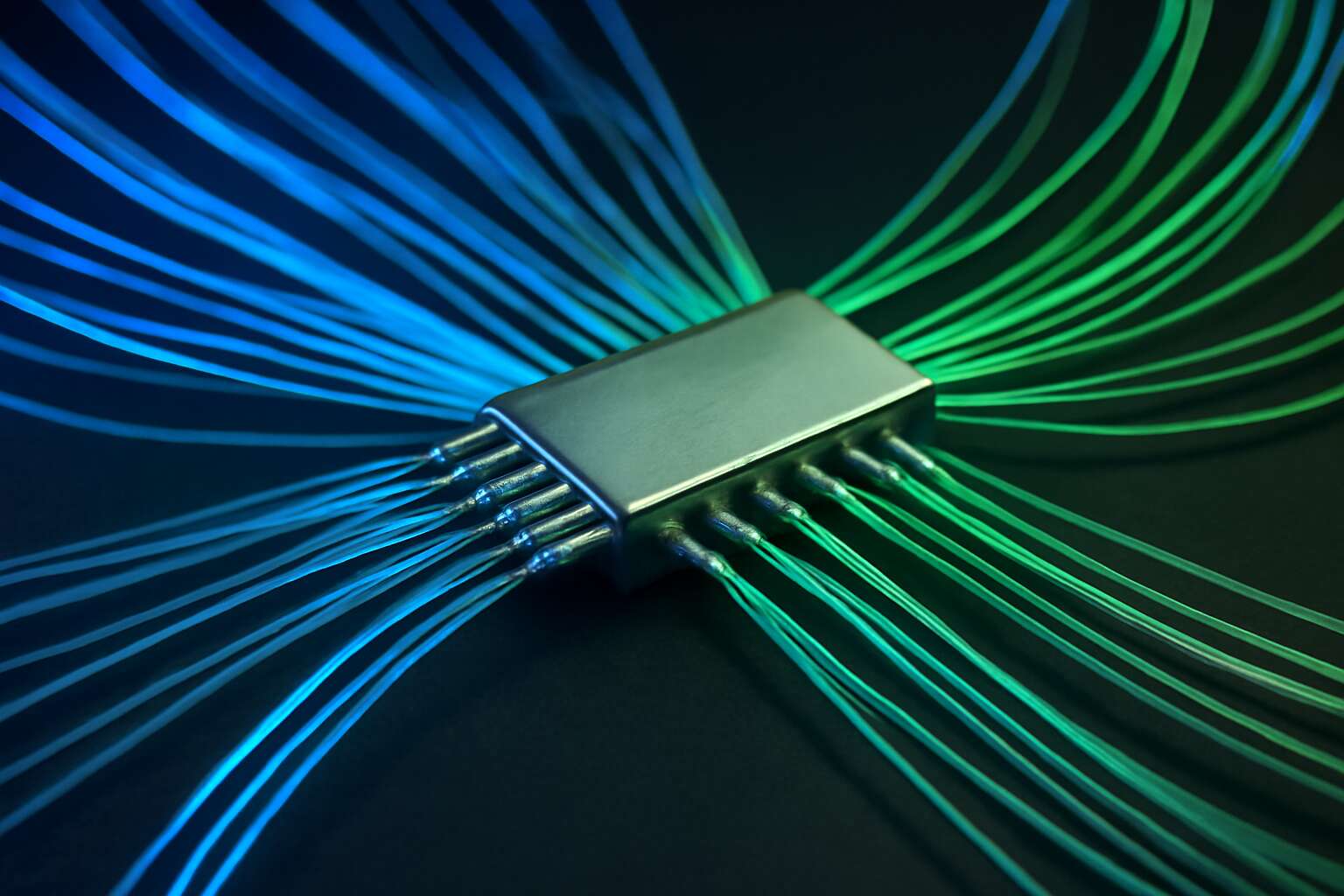
Understanding Fibre Optic Splitters
What is a Fibre Optic Splitter?
In the intricate dance of signals that traverse the invisible highways of modern communication, fibre optic splitters emerge as silent architects of connectivity. These devices are not merely passive conduits but sophisticated tools that enable a single fibre to serve multiple endpoints, amplifying the reach and efficiency of fibre optic networks. With the rapid expansion of fibre infrastructure in South Africa, understanding the essence of fibre optic splitters becomes crucial for anyone invested in future-proofing their digital infrastructure.
At their core, fibre optic splitters are designed to divide and distribute light signals with remarkable precision. They operate through a principle known as optical splitting, where a single input signal is carefully partitioned into several outputs without significant loss of quality. This process ensures that each connected device receives a clear and stable connection, vital for high-speed internet, CCTV systems, and other data-intensive applications.
- Passive devices that do not require power
- Essential for FTTH (Fiber to the Home) deployments
- Support multiple users and devices simultaneously
Whether used in residential settings or expansive enterprise networks, fibre optic splitters embody the elegant complexity of light manipulation, bridging the gap between raw data and seamless communication. Their silent efficiency underscores the importance of understanding their role in the evolution of fibre optic technology—an evolution that continues to reshape how South Africa connects with the world.
Types of Fibre Optic Splitters
Understanding the different types of fibre optic splitters is essential for designing robust and reliable fibre networks across South Africa. These devices come in various configurations, each suited to specific deployment scenarios. At the heart of this diversity are two main categories: planar lightwave circuit (PLC) splitters and fused biconical taper (FBT) splitters. PLC splitters are renowned for their ability to evenly distribute signals over multiple outputs, making them ideal for high-density environments like urban fibre-to-the-home (FTTH) networks. Meanwhile, FBT splitters excel in smaller-scale applications, offering simplicity and cost-effectiveness.
Further differentiation can be found in their structural form—most notably:
- Multimode fibre optic splitters, which support higher bandwidths over short distances.
- Single-mode fibre optic splitters, optimized for long-distance transmission and minimal signal loss.
Choosing the right type of fibre optic splitters depends on the unique needs of each network, whether it’s the extensive rural fibre deployment or a bustling city’s broadband infrastructure. Each variation supports seamless connectivity, ensuring that South Africans can enjoy reliable internet and communication services that keep pace with their vibrant, dynamic lives.
How Fibre Optic Splitters Work
Fibre optic splitters serve as the silent orchestrators behind seamless connectivity, transforming the delicate dance of light into a symphony of signals that travel effortlessly across vast distances. Their inner workings are a marvel of precision engineering—dividing a single light signal into multiple paths with remarkable uniformity. This process ensures that data reaches every corner of a network without sacrificing quality or speed.
At the core of these devices lies a simple yet profound principle: splitting light evenly to maintain signal integrity. Fibre optic splitters achieve this through intricate internal mechanisms, whether using the sophisticated planar lightwave circuit (PLC) technology or the more straightforward fused biconical taper (FBT) method. The choice of splitter depends on the specific needs of the network—urban fibre-to-the-home (FTTH) or rural broadband deployment—each demanding a different approach to signal distribution.
- Light enters the splitter via a single port, carrying essential data.
- The internal structure divides this light into multiple outputs, each maintaining clarity and strength.
- Signals are then routed through the network, ensuring reliable connectivity for users across South Africa.
Understanding how fibre optic splitters work reveals the artistry behind modern telecommunications—an elegant convergence of science and innovation that keeps the world connected in ways that are both profound and poetic. As these devices distribute light with precision, they underpin the digital dreams of countless South Africans, bridging distances and uniting communities through the power of fibre optics.
Applications of Fibre Optic Splitters
Telecommunications
In South Africa’s rapidly evolving telecommunications landscape, fibre optic splitters have become the silent enablers of seamless connectivity. With the exponential growth of high-bandwidth applications—from smart cities to rural broadband expansion—the ability to efficiently distribute optical signals is more crucial than ever. Fibre optic splitters serve as the backbone of these intricate networks, ensuring that data flows smoothly to meet the insatiable demand for speed and reliability.
These devices are instrumental in multi-point distribution, allowing a single fibre to serve multiple endpoints without compromising signal integrity. Their applications extend beyond basic data transmission; they underpin critical infrastructure such as internet service providers (ISPs), enterprise networks, and even smart grid technology. In essence, fibre optic splitters transform complex networks into accessible, scalable systems that can adapt to the dynamic needs of modern South African society.
Internet Service Providers
In South Africa’s expanding internet landscape, fibre optic splitters are the unsung heroes behind reliable connectivity for Internet Service Providers (ISPs). These devices enable the distribution of high-speed data across multiple endpoints without sacrificing signal quality. As demand for bandwidth surges—driven by streaming, cloud services, and smart city initiatives—fibre optic splitters ensure ISPs can deliver consistent service to densely populated urban areas and remote rural regions alike.
For ISPs, deploying fibre optic splitters means more efficient network management and scalability. They can serve numerous customers from a single fibre line, reducing infrastructure costs and boosting network reach. Whether providing fibre to the home (FTTH) or supporting enterprise solutions, these splitters are vital for meeting South Africa’s digital growth targets. Their ability to split optical signals accurately and reliably makes them a cornerstone of modern, high-capacity networks.
Data Centers
Within the labyrinthine corridors of data centers, fibre optic splitters serve as silent orchestrators, weaving together a symphony of high-speed connectivity. These unassuming devices are pivotal in managing the colossal flow of information that powers South Africa’s burgeoning digital economy. Their role extends beyond mere distribution; they are the custodians of signal integrity, ensuring that data reaches its destination unblemished and swift.
In the realm of data centers, fibre optic splitters enable the seamless division of a single optical signal into multiple pathways. This capability is crucial for supporting expansive server farms and cloud infrastructure—where every millisecond counts. They facilitate efficient network segmentation, allowing for easier maintenance and scalability, which is essential in a landscape where technological evolution is relentless.
Moreover, fibre optic splitters are instrumental in supporting varied applications within data centers, including:
- High-density server connectivity
- Enhanced network redundancy and load balancing
- Optimized data routing for complex architectures
By integrating fibre optic splitters, data centers in South Africa can harness the full potential of optical networks—delivering unparalleled speed, reliability, and capacity. These devices are truly the backbone of modern digital infrastructure, transforming vast data landscapes into accessible, efficient realms of connectivity.
Cable Television Networks
In the vibrant tapestry of South Africa’s broadcasting landscape, fibre optic splitters play a pivotal role in transforming the way we experience television. These elegant devices are the unseen artisans behind seamless cable television networks, ensuring that high-definition content flows effortlessly to homes and businesses alike. Their ability to split a single optical signal into multiple streams makes them indispensable in delivering crisp, reliable signals to countless viewers.
Within cable television networks, fibre optic splitters enable the distribution of signals across diverse locations with remarkable precision. They support a broad spectrum of applications, from residential TV services to large-scale hospitality and commercial venues. Their integration ensures that every household receives a steady, high-quality connection, elevating the viewer experience to new heights.
Moreover, fibre optic splitters contribute to the scalability and flexibility of cable networks. As demand for diverse content rises and new channels emerge, these devices facilitate efficient signal management without compromising quality. Whether for urban centers or rural communities, fibre optic splitters are the silent backbone that sustains South Africa’s expanding digital entertainment universe.
Security and Surveillance Systems
In the realm of security and surveillance, fibre optic splitters emerge as the silent guardians of modern vigilance. Their ability to distribute optical signals with impeccable precision transforms the way we safeguard our homes, businesses, and critical infrastructure across South Africa. Imagine a web of interconnected eyes, each receiving crystal-clear images without a flicker of delay—fibre optic splitters make this possible by seamlessly splitting the high-bandwidth signals to multiple cameras and monitoring stations.
Their role extends beyond simple distribution; fibre optic splitters enable scalable security systems that can grow with your needs. Whether it’s a small retail outlet or a sprawling industrial complex, these devices ensure that every corner is covered with sharp, reliable footage.
In high-stakes environments, where every detail matters, fibre optic splitters facilitate the transmission of multiple streams of high-definition video over long distances without degradation. This technological marvel underpins the reliability and clarity vital for effective surveillance, transforming security from a mere precaution into a formidable shield.
Key Features and Benefits of Fibre Optic Splitters
High Efficiency and Low Loss
In the intricate dance of light and technology, fibre optic splitters serve as the silent maestros, orchestrating seamless bifurcation with astonishing precision. Their high efficiency ensures that every photon’s journey is optimized, channeling data across networks with minimal loss—like water flowing unobstructed through a pristine riverbed. This low-loss characteristic isn’t just a feature; it’s the heartbeat of reliable communication, transforming the way information travels across South Africa’s expansive digital landscape.
Imagine a symphony where each note must reach its listener without distortion—fibre optic splitters master this art by maintaining signal integrity through advanced manufacturing. Their ability to split signals evenly or proportionally, without sacrificing quality, makes them indispensable in data-driven environments. Whether powering a bustling enterprise or connecting remote communities, their high efficiency ensures that every strand of data arrives intact, vibrant, and swift.
In essence, fibre optic splitters are the unsung heroes of modern connectivity. They embody a delicate balance—maximizing output while minimizing loss—ensuring that our digital world remains robust, resilient, and ever-expanding. When precision meets performance, the result is a network that truly breathes the future into every connection.
Compact and Durable Design
When it comes to fibre optic splitters, size and durability are the unsung heroes behind seamless network performance. Their compact design means they fit snugly into tight spaces, making installation a breeze—no more wrestling with bulky equipment! Plus, their robust construction ensures they withstand the rigors of everyday use, from bustling data centers to remote cell towers scattered across South Africa’s diverse landscape.
Durability isn’t just a nice-to-have; it’s mission-critical. Fibre optic splitters are built to endure temperature fluctuations, vibrations, and even accidental bumps—think of them as the tough guys of the fibre world. Their resilient design guarantees long-term reliability, minimizing downtime and maintenance costs, which is particularly vital for network providers eager to keep South Africa connected without interruption.
Here’s what makes these splitters stand out:
- Small footprint, big impact—saving valuable space
- Rugged construction designed for harsh environments
- Low maintenance, high durability—less worry, more performance
- Easy integration with existing fibre optic infrastructure
In a nutshell, fibre optic splitters with a compact and durable design are the backbone of resilient networks, ensuring reliable data transmission across every corner of South Africa. They’re the discreet champions that keep your digital world spinning smoothly—no drama, just seamless connectivity.
Scalability and Flexibility
Fibre optic splitters are the silent architects of scalable networks, seamlessly adapting to the evolving demands of South Africa’s digital landscape. Their key feature? Flexibility. These devices are designed to grow with your infrastructure, offering a versatile solution that can handle increasing data loads without missing a beat. Whether expanding a small business network or upgrading a sprawling data center, fibre optic splitters provide a robust foundation for future-proof connectivity.
One of the standout benefits is their modular nature. You can easily add or reconfigure splitters to match your network’s expansion, ensuring minimal downtime and maximum efficiency. This scalability is complemented by their ability to support a wide range of applications—from high-speed internet to complex security systems—making them indispensable for diverse deployment scenarios across South Africa.
- Effortless expansion without overhauling existing infrastructure
- Enhanced adaptability for multiple network architectures
- Cost-effective growth, reducing long-term investment risks
In essence, fibre optic splitters are not just components—they are the backbone of adaptable, resilient networks capable of supporting South Africa’s relentless march toward digital transformation. Their inherent flexibility ensures that your network remains agile, ready to meet tomorrow’s challenges—today.
Ease of Installation and Maintenance
In the intricate dance of network infrastructure, ease of installation and maintenance often determine the difference between a smoothly flowing system and a tangled web of frustration. Fibre optic splitters are no exception; their design prioritizes simplicity without sacrificing performance. With straightforward plug-and-play features, setting up these devices can be accomplished swiftly, saving precious time and resources—an essential trait in South Africa’s rapidly expanding digital environment.
What truly sets fibre optic splitters apart is their user-friendly nature. They require minimal training to install, allowing even those with modest technical expertise to integrate them seamlessly into existing networks. Maintenance, often the bane of network administrators, becomes remarkably less burdensome thanks to their durable build and modular configurations.
Consider the following benefits of fibre optic splitters’ ease of maintenance:
- Quick identification and replacement of faulty units
- Minimal disruption during upgrades or reconfigurations
- Long-lasting performance with low maintenance needs
In essence, fibre optic splitters are designed not just for current needs but to adapt effortlessly as your network grows—making them a cornerstone for reliable connectivity in South Africa’s evolving digital landscape. Their simplicity in installation and upkeep ensures your infrastructure remains resilient, efficient, and future-ready—without the headache.
Selecting the Right Fibre Optic Splitter
Split Ratio Options
In the shadowed corridors of modern communication, selecting the correct fibre optic splitter’s split ratio is akin to choosing the right echo for a haunting melody. A split ratio determines how the delicate light signals are divided, influencing the efficiency and reach of your network. For those venturing into the realm of fibre optic splitters, understanding the nuances of split ratios is essential—each one a cryptic cipher unlocking the potential of your infrastructure.
While the options may seem as inscrutable as the night itself, a careful choice ensures optimal performance. For instance, a 1:2 split may serve a small, intimate system, whispering softly through a modest network, whereas a 1:32 split can cast a wider net, reaching multiple endpoints across sprawling environments. The key is to match the split ratio with your specific needs, balancing between power loss and coverage.
- Assess the scale of your network—are you weaving a tight web or a sprawling labyrinth?
- Evaluate the signal strength—will the split diminish the light to a whisper or maintain its spectral clarity?
- Consider future expansion—must your choice be flexible enough to grow with unseen ambitions?
Choosing the right fibre optic splitter split ratio is not merely a technical decision but a strategic act, echoing the silent whispers of the digital age. It’s a dance of photons and precision, woven into the very fabric of tomorrow’s connectivity.
Wavelength Compatibility
When selecting fibre optic splitters, wavelength compatibility plays a crucial role in ensuring optimal performance. Each fibre optic splitter is designed to operate within specific wavelength ranges, which directly affects signal quality and system reliability. If the wavelengths don’t match, you risk signal degradation or loss, undermining the entire network’s integrity.
To avoid these pitfalls, it’s essential to evaluate your system’s core requirements. Consider whether your network uses standard wavelength bands such as 850 nm, 1300 nm, or 1550 nm. Matching the splitter’s wavelength range with your existing infrastructure ensures seamless integration and consistent data transmission.
- Check the manufacturer’s specifications carefully.
- Verify that the splitter supports the wavelengths your system relies on.
This diligence guarantees your fibre optic splitters will deliver the high efficiency and low loss needed for robust connectivity in South Africa’s diverse telecommunications landscape. Wavelength compatibility isn’t just a technical detail—it’s the backbone of a resilient, scalable network.
Insertion Loss
When choosing fibre optic splitters, one often overlooked yet vital factor is insertion loss. This measure indicates how much signal power is diminished as it passes through the splitter. High insertion loss can lead to weaker signals, resulting in sluggish data transmission or dropped connections—a nightmare for any network operator. In South Africa’s dynamic telecommunications landscape, ensuring minimal insertion loss is crucial for maintaining high performance and reliability.
To select the right fibre optic splitters, it’s essential to understand the importance of low insertion loss. A well-designed splitter will balance efficient signal division with minimal power loss, allowing your network to operate seamlessly across various distances and environments. Consider evaluating the splitter’s specifications, focusing on the maximum insertion loss allowed for your system’s requirements. Remember, even a small difference, such as 0.3 dB versus 0.5 dB, can significantly impact overall network efficiency in high-demand applications.
Here are some key points to keep in mind:
- Match the splitter’s insertion loss with your system’s signal budget to prevent degradation.
- Opt for high-quality fibre optic splitters from reputable manufacturers to ensure consistent performance.
- Be mindful of the operating wavelength, as insertion loss varies across different bands.
In the end, selecting fibre optic splitters with appropriate insertion loss is like choosing the right lens for a camera—crucial to capturing a clear, sharp picture. It’s a subtle detail that underpins the strength and longevity of your entire network infrastructure.
Environment and Housing Requirements
Choosing the optimal environment and housing for fibre optic splitters is akin to crafting a sanctuary for delicate yet vital artifacts—each detail influences performance and longevity. A well-protected installation ensures that the intricate core of your network remains shielded from environmental adversaries such as dust, moisture, and temperature fluctuations. In South Africa’s diverse climate zones, from arid deserts to humid coastlines, selecting the right housing becomes paramount to preserve signal integrity and operational stability.
When considering where to deploy fibre optic splitters, it’s essential to evaluate factors like ventilation, accessibility, and physical security. An ideal housing not only safeguards against external elements but also simplifies maintenance, allowing technicians to access components with ease. To streamline this process, some installers prefer enclosures with modular designs, enabling quick upgrades or repairs without disrupting the entire system.
- Ensure the enclosure is rated for the environmental conditions in your locale.
- Opt for materials that resist corrosion and UV damage, especially if exposed outdoors.
- Incorporate features such as cable management systems to prevent stress on the fibre optic splitters.
In essence, selecting the right environment and housing for fibre optic splitters isn’t just a matter of protection—it’s a strategic move to sustain high performance and minimize downtime. Think of it as creating a fortress that nurtures your network’s backbone, ensuring seamless connectivity across South Africa’s vibrant digital landscape.
Compatibility with Existing Networks
Selecting the right fibre optic splitters for your network is a critical step that can make or break your connectivity experience. Compatibility with existing infrastructure ensures seamless integration, reducing the risk of signal degradation and costly rewiring. It’s essential to assess the wavelength compatibility of your fibre optic splitters, especially if your network employs diverse transmission standards. Mismatched wavelengths can lead to increased insertion loss, hampering overall performance.
Understanding your current network’s architecture is vital. For instance, if your system operates on specific splitter ratios or employs particular connector types, choosing fibre optic splitters that align with these parameters saves time and resources. To simplify this process, consider a straightforward approach:
- Identify the core specifications of your network, including fibre type and connector standards.
- Evaluate the splitter’s compatibility with existing equipment in terms of wavelength and split ratio options.
- Ensure the fibre optic splitters support future scalability, accommodating potential network expansion.
A tailored selection not only maintains network harmony but also maximizes efficiency. When compatibility is prioritized, the result is a resilient, high-performing network that stands up to South Africa’s unique digital demands. In essence, choosing fibre optic splitters that align perfectly with your infrastructure is an investment in long-term reliability and superior connectivity.
Installation and Maintenance Tips
Proper Handling and Storage
In the world of fibre optic technology, the longevity and performance of fibre optic splitters hinge on meticulous handling and strategic storage. These delicate components, often overlooked, demand a gentle touch—think of them as the heartbeats of a seamless network. Proper handling begins with avoiding excessive bending or twisting, which can cause microfractures and compromise signal integrity. When installing fibre optic splitters, ensure that they are securely fastened and free from undue stress, preventing future failures that could ripple through your entire system.
For storage, a controlled environment is paramount. Keep fibre optic splitters in a dry, dust-free space away from extreme temperatures and direct sunlight. Environmental fluctuations can lead to material degradation over time, reducing their efficiency and lifespan. To streamline maintenance, consider implementing a routine inspection schedule—checking for signs of wear or damage, and ensuring connectors remain clean and free of debris. Remember, a well-maintained fibre optic splitter not only preserves optimal performance but also safeguards the network’s resilience—an essential for businesses relying on high-speed connectivity across South Africa.
Installation Best Practices
When it comes to installing fibre optic splitters, a touch of finesse is essential—think of it as performing a delicate ballet with glass fibers. Proper installation not only ensures optimal performance but also extends the lifespan of these crucial components. First, always choose a location that minimizes environmental stress; a sheltered, dust-free environment is your best friend. This prevents debris from contaminating delicate connectors and maintains signal clarity.
Furthermore, adhering to best practices during installation can save you from a world of future headaches. For instance, avoid sharp bends or excessive tension on the fibres—microfractures are sneaky culprits that can silently sabotage your network’s integrity. Instead, use cable management accessories designed for fibre optic splitters, which promote gentle routing and prevent undue stress. Remember, a tidy and thoughtful installation is the foundation of a resilient fibre optic network.
- Secure the fibre optic splitters in an environment that’s dry, cool, and free from direct sunlight.
- Employ proper cable management techniques to prevent bending radii that exceed the recommended specifications.
- Ensure connectors are clean and checked regularly to maintain high-quality signal transmission.
Maintenance isn’t a one-and-done task; it’s an ongoing commitment to excellence. Regular inspections can reveal early signs of wear, allowing prompt intervention before a minor issue magnifies into a costly repair. By following these installation best practices, you’ll safeguard your investment in fibre optic splitters and uphold the integrity of your entire network across South Africa’s demanding environments.
Troubleshooting Common Issues
In the intricate dance of fibre optic networks, even the most meticulously installed fibre optic splitters can falter without vigilant care. Troubleshooting common issues demands an attentive eye and a gentle touch, for these delicate components are as sensitive as a whisper in a cathedral. Signal loss, for instance, often whispers of dirty connectors or microbends—silent saboteurs lurking in shadows. A sudden drop in performance might also hint at misaligned splitters or environmental interference, both of which threaten the harmony of your network.
When faced with such challenges, a systematic approach can illuminate the path forward. Begin by inspecting connectors—cleanliness is king! Use appropriate cleaning tools to remove dust or grime that can distort signals. Next, examine the routing of fibre optic splitters; ensure there are no sharp bends or undue tension that could induce microfractures. Sometimes, a simple repositioning restores clarity, like tuning a finely crafted instrument.
Should issues persist, consider a step-by-step troubleshooting process:
- Verify all connections are secure and properly seated.
- Check for physical damage or wear on the fibre optic cable and splitters.
- Use an optical time-domain reflectometer (OTDR) to pinpoint faults along the fibre run.
By maintaining a proactive stance—regular inspections, cleanliness, and mindful handling—you turn troubleshooting into a safeguard, preserving the integrity of your fibre optic network in South Africa’s demanding environments. Remember, a fibre optic splitter’s true strength lies in its seamless performance under the vigilance of diligent maintenance.
Regular Inspection and Testing
In the complex realm of fibre optic networks, the longevity and performance of fibre optic splitters hinge on meticulous installation and ongoing maintenance. Regular inspection and testing are not just routine—they are the guardians of network integrity, especially in South Africa’s challenging environments. A system that is ignored today might be the cause of tomorrow’s costly downtime.
To keep fibre optic splitters at peak performance, adopting a disciplined maintenance schedule is essential. Start by visually inspecting connectors and cables for dust, dirt, or physical damage—cleanliness is the silent hero of signal quality. Use specialized cleaning tools designed for fibre optics to ensure that even microscopic particles won’t sabotage your network’s harmony. Additionally, routine testing with an optical time-domain reflectometer (OTDR) can reveal hidden faults, microbends, or misalignments lurking deep within the cables.
Consider implementing a simple yet effective maintenance framework:
- Schedule periodic inspections to catch potential issues early.
- Test the signal strength and quality regularly to ensure optimal performance.
- Document findings meticulously, creating a trail that can be followed if problems arise.
By embedding these practices into your operational routine, you transform maintenance from a chore into a safeguard—preserving the seamless operation of your fibre optic splitters and ensuring your network remains resilient against the unpredictable forces of nature and wear. In the end, consistent care isn’t just recommended; it’s vital for unleashing the true potential of your fibre optic infrastructure.
Latest Trends and Innovations in Fibre Optic Splitters
Advances in Photonic Integration
As the digital realm continually expands, the latest trends and innovations in fibre optic splitters promise to revolutionize how data flows through our interconnected world. Advances in photonic integration are particularly noteworthy, enabling the miniaturization of complex optical circuits into single chips. This leap forward not only enhances the performance of fibre optic splitters but also reduces manufacturing costs, making high-quality components more accessible across South Africa’s burgeoning telecommunications infrastructure.
One of the most exciting developments is the integration of photonic circuits that allow for ultra-precise splitting ratios and wavelength compatibility. These innovations ensure that fibre optic splitters can now handle a broader spectrum of signals with minimal insertion loss and optimal efficiency. Such progress supports emerging applications in secure surveillance systems and smart city networks, where reliability and speed are paramount. As the technology matures, expect to see more adaptable, scalable, and environmentally resilient fibre optic splitters that seamlessly fit into the evolving landscape of digital connectivity.
- Enhanced integration techniques for compact, robust designs
- Greater wavelength compatibility for versatile network deployment
- Reduction in insertion loss, boosting signal integrity and performance
Multi-Mode vs Single-Mode Splitters
As the digital landscape evolves at an astonishing pace, the latest trends in fibre optic splitters are unlocking new realms of possibility. Among these innovations, the choice between multi-mode and single-mode fibre optic splitters is more crucial than ever, shaping the backbone of modern telecommunications in South Africa. Each type of splitter is tailored for specific scenarios, offering unique advantages that can dramatically enhance network performance.
Single-mode fibre optic splitters are renowned for their ability to carry signals over long distances with minimal loss, making them ideal for large-scale infrastructure projects. In contrast, multi-mode fibre optic splitters excel in shorter-range applications, providing cost-effective solutions for data centers and enterprise networks. Their differing core sizes influence how they handle light signals, with single-mode splitters supporting higher bandwidths and better wavelength compatibility.
- Single-mode fibre optic splitters offer superior scalability for expansive networks, supporting extensive data transmission with precision.
- Multi-mode fibre optic splitters deliver rapid deployment and ease of installation, especially in environments where high capacity isn’t the primary concern.
Understanding these distinctions allows network engineers to select the perfect fibre optic splitters for their specific needs, ensuring optimal performance, durability, and scalability. As technological advancements continue to propel photonic integration, the boundaries of what fibre optic splitters can achieve are constantly expanding, promising a future where connectivity is faster, more reliable, and seamlessly integrated into South Africa’s digital fabric.
Miniaturization and Integration
In the relentless pursuit of faster, more reliable connectivity, the latest innovations in fibre optic splitters are reshaping how networks are built and optimized. Miniaturization stands at the forefront of these breakthroughs, allowing complex photonic systems to shrink without sacrificing performance. This leap in design not only reduces physical footprint but also enhances integration, making fibre optic splitters more adaptable to diverse environments.
Advances in photonic integration have enabled manufacturers to embed multiple functionalities into a single, compact device. This evolution simplifies deployment and maintenance, while also delivering higher precision and lower loss. For network engineers, this means greater flexibility when designing scalable infrastructure, especially in space-constrained settings like data centers or urban telecom hubs.
One notable trend is the development of modular fibre optic splitters, which can be tailored for specific applications. These innovations prove that size isn’t everything—robustness, ease of installation, and future-proofing are equally vital. As these advancements continue, fibre optic splitters will become even more integral to the seamless, rapid connectivity South Africa demands for its digital future.
Smart and Adaptive Splitters
In the ever-evolving landscape of fibre optic technology, the latest innovations are transforming fibre optic splitters into something far more intelligent and adaptable. Smart and adaptive fibre optic splitters are at the forefront of this revolution, seamlessly adjusting to fluctuating network demands with remarkable precision. These devices employ advanced photonic components that dynamically optimize signal distribution, ensuring minimal loss and peak performance—no matter the environment.
One exciting trend is the integration of real-time monitoring capabilities, allowing network administrators to observe performance metrics and troubleshoot issues instantaneously. This innovation not only reduces downtime but also prolongs the lifespan of the fibre optic splitters. Additionally, these splitters can adapt their split ratio automatically, tailoring signal strength to each branch, which enhances scalability and network resilience.
- They respond swiftly to network congestion or faults, maintaining seamless connectivity.
- Embedded sensors facilitate predictive maintenance, preventing disruptions before they occur.
As South Africa’s digital infrastructure expands, these intelligent fibre optic splitters offer a future-proof solution. Their adaptability ensures they remain compatible with emerging technologies, reinforcing the backbone of faster, more reliable connectivity across urban and rural landscapes alike. With each innovation, fibre optic splitters become not just passive components but active, vital elements of a smarter, more resilient network fabric.
Where to Buy Fibre Optic Splitters
Trusted Manufacturers and Brands
Securing reliable access to high-quality fibre optic splitters is paramount in an era where seamless connectivity defines both enterprise success and daily life. South Africa’s burgeoning digital landscape demands not just any solution, but the trusted craftsmanship of reputable manufacturers and brands that have established a reputation for excellence. When sourcing fibre optic splitters, discerning buyers gravitate toward suppliers whose products exemplify durability, precision, and innovation. The right choice can transform a complex network into a resilient, scalable infrastructure that withstands the test of time and technological evolution.
To navigate this landscape, many professionals lean on a curated selection of trusted brands renowned for their commitment to quality and performance. These manufacturers often provide comprehensive support, ensuring that fibre optic splitters integrate effortlessly into existing networks, whether for telecommunications, data centers, or security systems. Here are some industry leaders where quality and reliability converge:
- Corning
- ABB
- Furukawa
- Sumitomo Electric
- PON Optics
By choosing from these reputable suppliers, South African network infrastructure professionals can confidently enhance their systems with fibre optic splitters that promise low insertion loss, excellent wavelength compatibility, and long-term operational stability. The marketplace is vast, but selecting trusted manufacturers and brands ensures that every connection maintains integrity, even under demanding conditions. With the right fibre optic splitters, the future of connectivity becomes not just possible but assured.
Comparison of Price and Quality
Finding the right place to buy fibre optic splitters involves balancing price with quality—an essential consideration for any South African network professional. While the market may seem saturated with options, the key is to focus on suppliers that offer genuine, high-grade products designed to withstand demanding environments. Trusted brands like Corning, ABB, and Furukawa consistently deliver fibre optic splitters that meet rigorous standards, ensuring durability and optimal performance.
When comparing prices, it’s tempting to opt for the lowest bid, but this can be a false economy. Reputable suppliers often provide detailed specifications, quality assurance, and after-sales support—crucial elements that safeguard your investment. To streamline your selection process, consider a simple comparison of offerings based on:
- Product certifications and compliance standards
- Wavelength compatibility and insertion loss
- Warranty and customer support services
- Pricing and bulk purchase discounts
By carefully evaluating these factors, South African network integrators can source fibre optic splitters that deliver exceptional value—combining affordability with long-term reliability. Whether upgrading an existing infrastructure or planning a new deployment, choosing the right supplier ensures every connection is solid, stable, and primed for future expansion. After all, in a digital landscape that never stops evolving, investing in quality fibre optic splitters is a decision that pays dividends in performance and peace of mind!
Buying Tips for Businesses and Consumers
Finding trustworthy sources to purchase fibre optic splitters is crucial for South African businesses seeking reliability and performance. A strategic approach involves selecting suppliers that prioritize quality, certification, and customer support over merely competitive prices. In a market flooded with options, knowing where to buy fibre optic splitters can save time and prevent costly mistakes.
Look for reputable vendors that offer genuine products from trusted manufacturers. These suppliers often provide detailed product specifications, ensuring compatibility with your existing network infrastructure. When evaluating options, consider the following:
- Certifications and compliance with industry standards
- Wavelength compatibility and insertion loss
- Warranty and after-sales support services
- Pricing structures, including bulk purchase discounts
Many suppliers now have online platforms that facilitate seamless ordering and detailed product comparisons, making it easier for businesses to make informed decisions. Whether you’re upgrading an enterprise network or setting up a new data center, sourcing fibre optic splitters from reliable vendors guarantees a long-term investment in network stability and scalability.
Additionally, exploring local distributors can offer the advantage of faster delivery times and personalized support—elements that are invaluable when deploying fibre optic technology in demanding environments. Ultimately, choosing where to buy fibre optic splitters isn’t just about price; it’s about building a resilient, future-ready network that stands the test of time.
Online Retailers and Distributors
When searching for reliable sources to purchase fibre optic splitters online, South African businesses often find themselves navigating a vast digital marketplace. Reputable online retailers and distributors can streamline this process, offering genuine products from trusted manufacturers. These platforms typically feature detailed specifications, ensuring compatibility with existing network infrastructure and reducing the risk of costly errors.
Many established vendors provide user-friendly interfaces that allow for seamless ordering, comparison of fibre optic splitters, and access to customer support. Look for websites that include comprehensive product descriptions, certifications, and warranty options. Some suppliers also offer bulk purchase discounts, making them an attractive option for larger projects or data centers.
- Check for certifications such as ISO or industry-specific standards to guarantee product quality.
- Review customer feedback and supplier reputation to ensure trustworthy service.
- Explore local distributors who can deliver faster and offer personalized support, especially crucial for urgent deployments or sensitive environments.
By choosing the right online retailers and distributors for fibre optic splitters, companies in South Africa can secure a resilient, scalable network that meets both current demands and future growth. The right supplier isn’t just about price—it’s about building a foundation for reliable, long-lasting connectivity that empowers your business to thrive.



0 Comments