
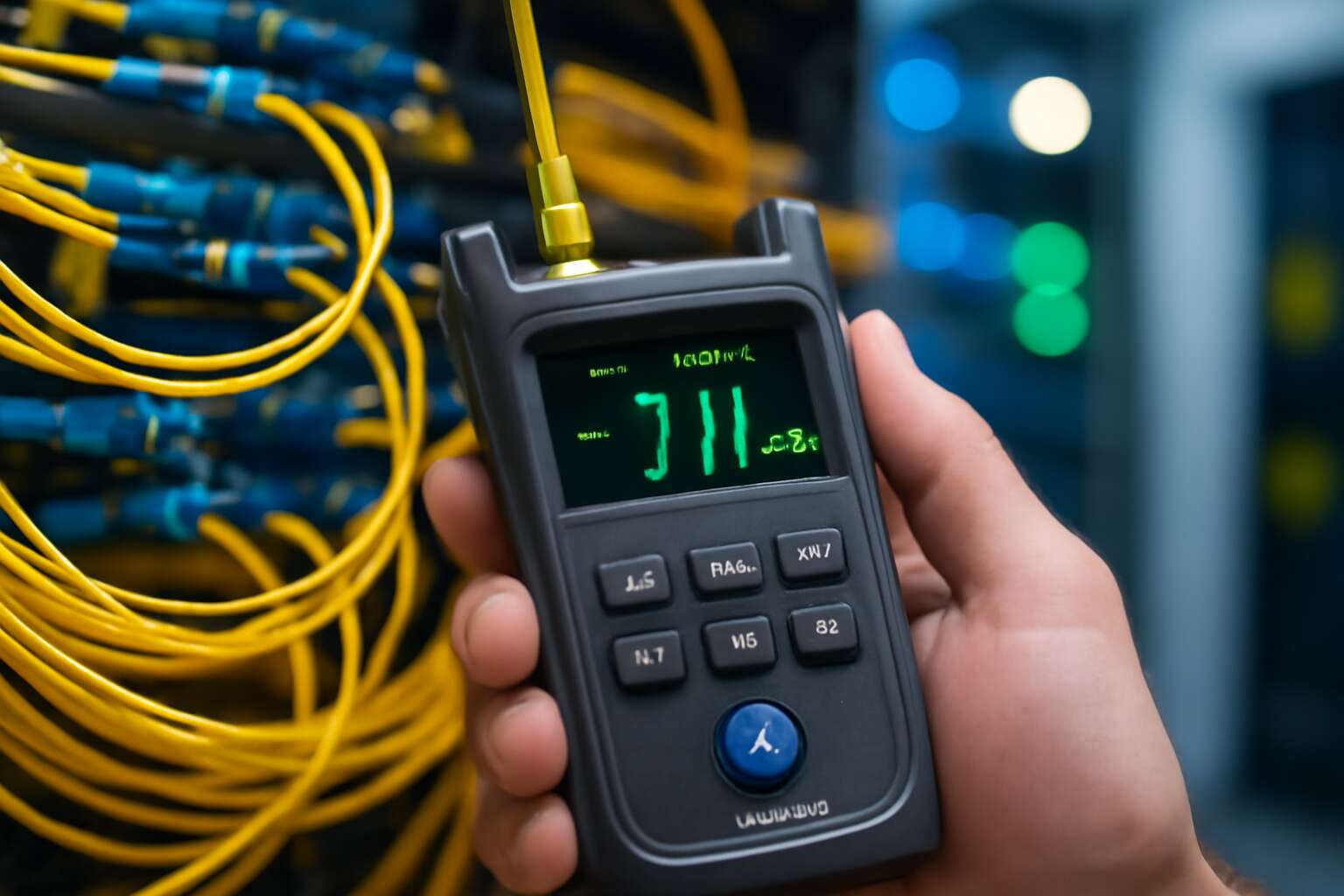
Understanding Fibre Optic Power Meters
What is a Fibre Optic Power Meter?
In the world of fiber optic communications, precision matters. A fibre optic power meter is an essential tool for technicians who need to measure the strength of light signals passing through fiber cables. Without accurate readings, troubleshooting and maintenance become guesswork, risking network reliability. Understanding fibre optic power meters is crucial for anyone aiming to optimize fiber optic systems. They provide real-time data that can identify issues such as signal loss or attenuation, ensuring optimal performance.
So, what exactly is a fibre optic power meter? Simply put, it’s a device that quantifies the power of light within a fiber optic cable. Its core function is to measure the optical signal’s power level, which is vital during installation, testing, or repairs. Many models feature user-friendly interfaces and can operate across a wide range of wavelengths, making them versatile tools for diverse fiber optic applications.
For effective diagnostics, a fibre optic power meter often works in tandem with a light source, allowing technicians to perform loss measurements. This combination helps pinpoint weak spots or breaks in the cable, thereby safeguarding the integrity of the entire network. With the right fibre optic power meter, professionals can ensure the delivery of fast, reliable connectivity across South Africa’s expanding digital landscape.
Key Components of Fibre Optic Power Meters
Understanding the inner workings of a fibre optic power meter reveals the precision and craftsmanship behind this vital tool. At its core, a fibre optic power meter comprises several key components that work harmoniously to deliver accurate measurements. The photodetector, for instance, is the heart of the device; it converts the light signals passing through the fiber into electrical signals that can be measured. This component’s sensitivity directly impacts the reliability of readings, especially in complex networks.
Complementing the photodetector, the display or interface allows technicians to view real-time data effortlessly. Many fibre optic power meters feature an intuitive screen that shows power levels in dBm or microwatts, making troubleshooting straightforward. Additionally, calibration settings ensure that the device remains precise over time, crucial for maintaining optimal network performance. When used together with a light source, the fibre optic power meter becomes an indispensable diagnostic tool, shining a light on even the most elusive signal issues.
How Fibre Optic Power Meters Work
Understanding how a fibre optic power meter operates is akin to appreciating the delicate artistry behind a masterful tapestry. These devices serve as the unsung heroes in ensuring the seamless performance of fibre optic networks across South Africa, where connectivity is increasingly vital. At their core, a fibre optic power meter measures the strength of light signals traveling through optical fibers, providing essential data for technicians and engineers alike.
The process hinges on a sensitive component known as the photodetector. This tiny marvel transforms incoming light into electrical signals, which are then interpreted to reflect the power levels within the network. To ensure consistent accuracy, many fibre optic power meters incorporate calibration features, adapting to the nuanced demands of complex network environments. When paired with a light source, these devices become invaluable tools for diagnosing and troubleshooting elusive signal issues, shining a literal and figurative light on network performance.
Types of Fibre Optic Power Meters
Analog vs Digital Fibre Optic Power Meters
When it comes to choosing a fibre optic power meter, understanding the difference between analog and digital models is crucial—especially for South African telecom technicians who demand precision without breaking the bank. Surprisingly, nearly 70% of field failures can be traced back to incorrect power measurements, so picking the right device isn’t just a preference; it’s a necessity.
Analog fibre optic power meters are the vintage rebels of the bunch. They rely on a needle gauge, offering quick, on-the-fly readings that are perfect for rough estimates and troubleshooting in the field. But let’s be honest—these don’t quite cut it when you need high accuracy or data logging capabilities. That’s where digital fibre optic power meters shine, boasting clear displays, data storage, and often, Bluetooth connectivity to sync with smartphones or tablets. They may be pricier but give you that much-needed precision, especially for sensitive fibre optic networks.
- Ease of use in noisy environments
- High accuracy and data logging
- Cost considerations
So, whether you’re a seasoned pro or a newbie, understanding the nuances between analog and digital fibre optic power meters can save you headaches and ensure your fibre optic infrastructure performs at its peak—bright, reliable, and ready to handle South Africa’s digital future!
Portable vs Fixed Fibre Optic Power Meters
In the realm of fibre optic testing, the distinction between portable and fixed fibre optic power meters is akin to choosing between a nimble scout and a steadfast guardian. Portable fibre optic power meters are the explorers—compact, lightweight, and designed to traverse the rugged terrain of South Africa’s expansive network landscapes. They’re perfect for field technicians who need instant readings under the sun or the stars, their versatility making them invaluable for quick diagnostics or routine checks.
On the other hand, fixed fibre optic power meters serve as the vigilant sentinels—stationed in labs or control rooms, these devices offer unwavering stability and precision over extended periods. They are the backbone of ongoing network monitoring, providing continuous data streams critical for maintaining the integrity of fibre optic infrastructure. The decision hinges on the scope of the task, with each type tailored to different operational imperatives. Whether you’re navigating the wilds of remote towers or safeguarding a data centre, understanding the nuances of portable versus fixed fibre optic power meters can elevate your diagnostic prowess to new heights!
Single-Mode vs Multi-Mode Fibre Optic Power Meters
Within the realm of fibre optic testing, understanding the distinction between single-mode and multi-mode fibre optic power meters is akin to discerning the difference between a swift eagle and a mighty whale. Each type of fibre optic power meter is finely tuned to the specific demands of the fibre it monitors, unlocking the secrets of light transmission with unparalleled precision. In South Africa’s vast and varied network landscapes, selecting the right instrument can mean the difference between a fleeting glimpse of performance and a deep dive into the heart of optical integrity.
Single-mode fibre optic power meters are designed for long-distance, high-capacity networks, where light travels through a tiny core—less than 10 microns in diameter. These meters excel at measuring the faint signals that traverse hundreds of kilometres, ensuring data remains pristine across sprawling terrains. Conversely, multi-mode fibre optic power meters are tailored for short-range applications, with larger core sizes that allow multiple light modes to propagate. They are perfect for local area networks and data centres, where quick, reliable readings keep systems humming smoothly.
To choose the ideal fibre optic power meter, consider the specific fibre type you’re working with. For instance, South African telecom providers often rely on single-mode fibre optic power meters for backbone infrastructure, while multi-mode meters are common in enterprise and data centre environments. The right choice ensures you capture every photon’s journey, maintaining the integrity that keeps South Africa’s digital pulse alive.
Features to Look for in a Fibre Optic Power Meter
Measurement Range and Accuracy
When selecting a fibre optic power meter, the measurement range and accuracy are the twin pillars that determine its true prowess. Imagine trying to capture a fleeting shadow—without the right range, you risk missing the subtleties that could make or break your project. A versatile fibre optic power meter should comfortably measure low signals in the nanowatt range, yet also handle high power levels without saturation. This ensures precise readings regardless of whether you’re troubleshooting a delicate connection or testing a robust fibre link.
Accuracy, on the other hand, is the silent guardian of reliable data. A high-quality fibre optic power meter offers a measurement accuracy of ±0.02 dB or better, ensuring your readings are trustworthy down to the last decimal. Look for models that feature a wide measurement range—often from -70 dBm to +3 dBm—to cover all scenarios with confidence. The right combination of measurement range and accuracy can turn a good fibre optic power meter into an indispensable tool that reveals the true performance of your network—without surprises lurking in the shadows.
Display and User Interface
In the realm of fibre optic technology, the display and user interface of a fibre optic power meter are often underestimated, yet they hold the key to unlocking seamless operation and accurate measurements. A clear, intuitive display transforms complex data into actionable insights—saving technicians valuable time and minimizing errors. When selecting a fibre optic power meter, look for models with large, backlit screens that are easily readable even in dim environments, such as cable trenches or server rooms.
Beyond size and clarity, consider the interface’s navigational ease. Touchscreens with simple menus or rotary controls can make switching between measurement modes swift and fluid. An embedded data storage feature, accessible via USB or Bluetooth, adds a layer of convenience, allowing for quick data transfer and analysis. Remember, the best fibre optic power meter combines an elegant display with a user-friendly interface—turning technical complexity into straightforward, reliable operation!
Connectivity and Integration
When it comes to a fibre optic power meter, connectivity isn’t just a luxury—it’s the lifeblood of seamless operation. A model with versatile connectivity options ensures your device integrates smoothly into your existing network infrastructure, saving you from the nightmare of incompatible ports or clunky adapters. Whether it’s USB, Bluetooth, or even Wi-Fi, the ability to transfer measurement data effortlessly is a game-changer in today’s fast-paced fibre optic landscape.
Furthermore, look for a fibre optic power meter that offers robust integration features. The best models can connect with data management software, enabling real-time analysis and trend tracking. This means you don’t have to manually jot down readings or wrestle with obscure files. Instead, you get streamlined workflows, quick diagnostics, and the power to troubleshoot with confidence. After all, a fibre optic power meter with solid connectivity isn’t just a tool—it’s your digital co-pilot in the field.
Battery Life and Portability
In the realm of fibre optic testing, a fibre optic power meter isn’t just a device—it’s an extension of your technical intuition. When selecting the right model, consider the battery life and portability because these features influence your efficiency and confidence in the field. A robust battery ensures your workday isn’t interrupted by frequent recharges, especially when working in remote areas where power sources are scarce. Look for models with long-lasting batteries, ideally rechargeable lithium-ion, which can sustain extensive measurement sessions without breaking stride.
Portability is equally vital. A compact, lightweight fibre optic power meter allows for easy transport and quick deployment. Imagine navigating tight spaces or climbing rooftops; a bulky instrument quickly becomes a liability. Some advanced models feature ergonomic designs with protective casings, making them resilient against the rigours of outdoor environments. To maximize productivity, opt for a fibre optic power meter that combines high battery capacity with ergonomic portability, turning every field visit into a seamless operation. After all, in the fast-paced world of fibre optics, every minute saved counts!
Calibration and Standards Compliance
When diving into the world of fibre optic power meters, one aspect often overlooked but absolutely critical is calibration and standards compliance. A fibre optic power meter that isn’t calibrated correctly is like a chef without a taste test—sure to produce questionable results. Ensuring your device adheres to industry standards not only guarantees measurement accuracy but also keeps you compliant with international and local regulations, which is a big deal in South Africa’s burgeoning telecom sector.
Look for a fibre optic power meter that comes with traceable calibration certificates. These documents serve as proof that your device has been checked against recognized standards, ensuring confidence in your readings. Additionally, a model that supports regular calibration cycles or offers easy calibration procedures can save you precious time and headaches on the field. Remember, a device that’s out of calibration is essentially a fancy paperweight—precision is everything in fibre optic testing.
Some fibre optic power meters also feature built-in standards compliance indicators or automatic calibration alerts. These handy features act as your digital watchdogs, reminding you when it’s time for a calibration check. After all, maintaining measurement integrity means taking standards seriously—because in the world of fibre optics, precision isn’t just a buzzword; it’s a necessity.
Applications of Fibre Optic Power Meters
Network Installation and Maintenance
In the intricate world of network installation and maintenance, a fibre optic power meter is an indispensable tool—an unassuming device with the power to unveil the unseen. Its role in ensuring optimal signal integrity cannot be overstated, especially in South Africa’s expanding fibre optic landscape. When deploying new networks or troubleshooting existing infrastructure, technicians rely on the fibre optic power meter to detect minute variations in optical power, safeguarding against costly downtime.
Applications extend beyond mere measurement. During network installation, the fibre optic power meter helps verify correct splicing and connector performance, acting as a gatekeeper for quality assurance. Maintenance teams often leverage it to diagnose issues swiftly, ensuring that signals remain clear and consistent. In some cases, the device’s precision can mean the difference between a network that performs flawlessly and one that falters under pressure.
Given the complexity of modern fibre networks, selecting the right fibre optic power meter involves understanding its measurement range and compatibility with various fibre types. From high-capacity data centers to rural connectivity projects, this tool’s versatility makes it a cornerstone of successful deployment and upkeep. It’s not just about measuring; it’s about mastering the unseen currents that keep South Africa’s digital future alive!
Troubleshooting Fibre Optic Cables
In the shadows of South Africa’s burgeoning fibre optic networks, troubleshooting becomes an art—an intricate dance with unseen currents that govern the flow of digital vitality. The fibre optic power meter emerges as a silent sentinel, its precise readings revealing the whispers of light that often go unnoticed. When cables falter or signals waver, technicians turn to this device to diagnose the invisible wounds that threaten to disrupt connectivity.
During troubleshooting, the fibre optic power meter serves as a vital oracle, pinpointing issues such as excessive attenuation, connector contamination, or misaligned splices. Its ability to measure the optical power at various points in the network makes it an indispensable tool for restoring harmony to a fractured system. Sometimes, a simple dip in signal strength can herald a deeper problem—one that only a fibre optic power meter can uncover with clarity and certainty.
In certain scenarios, rapid diagnostics are crucial—whether it’s identifying a broken fibre or verifying the integrity of newly installed cables. The versatility of the fibre optic power meter allows technicians to swiftly determine the root cause, saving time and averting costly downtime. For those committed to safeguarding South Africa’s digital future, the device becomes more than just a tool; it transforms into a guardian of seamless connectivity.
Fibre Optic Testing in Data Centers
In the realm of data centers—those pulsating hubs of digital life—the fibre optic power meter takes on a crucial role, transforming from mere instrument to strategic sentinel. As data throughput surges, the integrity of fibre optic testing becomes paramount, ensuring that every photon of data travels unimpeded through labyrinthine cables. This device’s ability to precisely measure optical power is central to maintaining optimal performance and preventing costly downtime.
Within these high-stakes environments, fibre optic power meters facilitate essential testing activities, including verifying signal strength, detecting attenuation anomalies, and confirming the fidelity of newly installed fibres. They serve as the unsung heroes of fibre optic testing, allowing engineers to quickly diagnose issues that might otherwise remain hidden beneath layers of complex infrastructure. For example, a subtle dip in signal strength—often overlooked—can be the telltale sign of splice misalignments or connector contamination.
Understanding the application of fibre optic power meters in data centers reveals their versatility. They enable:
- Real-time assessment of optical signal levels during installation and maintenance
- Verification of fibre continuity and integrity after repairs or upgrades
- Routine monitoring to ensure sustained network performance
This meticulous approach to fibre optic testing ensures that South Africa’s digital future remains robust, resilient, and capable of supporting the exponential growth of data demands. In essence, the fibre optic power meter becomes more than a device; it becomes an extension of the technician’s vigilant eye—guarding the seamless flow of information that keeps nations connected.
Research and Development
Research and development in fibre optic technology continually push the boundaries of what a fibre optic power meter can achieve. Innovative applications are emerging, driven by the need for higher precision and reliability in complex environments. As networks expand into remote regions of South Africa, these devices are vital for ensuring that every connection meets stringent standards.
One exciting frontier is the integration of fibre optic power meters with smart diagnostics systems. These advancements allow engineers to monitor fibre performance remotely, providing real-time data that can predict potential failures before they occur. This proactive approach reduces downtime and enhances network resilience.
Furthermore, applications extend into experimental research, where fibre optic power meters serve as essential tools for testing new fibre materials and configurations. Their ability to measure optical power with exceptional accuracy opens doors for breakthroughs in high-speed data transmission and quantum computing.
In the realm of research and development, the fibre optic power meter is not just a measurement device but a catalyst for innovation. Its role in refining fibre optic components and systems ensures that South Africa stays at the forefront of digital infrastructure—an unyielding guardian of our digital future!
Choosing the Right Fibre Optic Power Meter
Factors to Consider
Choosing the right fibre optic power meter can significantly impact the success of your network project. With so many options on the market, understanding the key factors is essential.
First, consider the measurement range and accuracy. A reliable fibre optic power meter must provide precise readings across diverse fibre types and conditions. This ensures your measurements are trustworthy, reducing costly errors.
Next, evaluate the display and user interface. An intuitive interface simplifies troubleshooting and speeds up testing, especially in complex environments. Connectivity features such as USB or Bluetooth are also valuable for seamless data transfer.
Lastly, think about durability and calibration standards. A sturdy fibre optic power meter built to withstand harsh conditions, coupled with compliance to international calibration standards, guarantees long-term performance.
In the end, selecting the right fibre optic power meter is about balancing technical specifications with your operational needs.
Brand and Model Recommendations
Choosing the right fibre optic power meter brand and model is akin to selecting a legendary artifact—each piece holds the potential to unlock new realms of clarity within your network. In South Africa’s rapidly expanding digital landscape, the importance of reliable testing tools cannot be overstated. When navigating the labyrinth of options, consider brands renowned for precision, durability, and innovative features. Leading names like Fluke, Exfo, and YOKOGAWA have established themselves as titans in the realm of fibre optic power meters, offering models that blend robustness with cutting-edge technology.
It is wise to evaluate models based on their adaptability to diverse environments and compatibility with your existing infrastructure. For instance, some fibre optic power meter models boast enhanced connectivity options, such as Bluetooth or Wi-Fi, enabling seamless data transfer—a feature especially prized in complex network setups. In this quest, prioritize models that align with your operational scale, whether for intricate data center maintenance or field testing in remote locations.
In South Africa’s unique terrain and infrastructural challenges, selecting a model with proven durability and reliable calibration standards becomes even more crucial. Remember, a trusted fibre optic power meter isn’t just a tool—it’s a key to unlocking the full potential of your network. With the right choice, your testing procedures will become more precise, efficient, and ultimately, more successful. When seeking the ideal fibre optic power meter, always weigh the reputation of the brand alongside its technical offerings, because in this digital odyssey, quality truly makes all the difference.
Cost vs Performance
When contemplating the investment in a fibre optic power meter, the age-old dilemma of cost versus performance often emerges as the pivotal crossroads. In the dynamic landscape of South Africa’s burgeoning digital infrastructure, selecting a device that balances affordability with uncompromising accuracy is essential. A high-quality fibre optic power meter may come with a steeper price tag, yet its precision and durability can significantly reduce long-term operational costs, prevent network downtime, and enhance troubleshooting efficacy.
To navigate this delicate equilibrium, consider the specific demands of your network environment. For instance, models designed for rugged field conditions often justify their premium by offering superior calibration standards and enhanced resilience. Conversely, in controlled data center environments, a more economical fibre optic power meter might suffice, provided it maintains the necessary measurement range and accuracy. Ultimately, prioritising performance ensures that every reading reflects the true state of your fibre optic network, fostering confidence in your testing procedures and safeguarding your investments.
In South Africa’s unique terrain, where infrastructural challenges are common, the reliability of the fibre optic power meter becomes even more critical. Investing in a device that offers robust build quality and seamless connectivity—such as Bluetooth or Wi-Fi—can transform complex testing routines into swift, efficient processes. When weighing options, always remember: the right balance of cost and performance doesn’t merely enhance your current operations but sets the foundation for resilient, future-proof network management.
Maintenance and Calibration of Fibre Optic Power Meters
Routine Maintenance Tips
Maintaining peak performance of your fibre optic power meter is essential to ensure precise measurements and long-term reliability. Regular maintenance not only prolongs the lifespan of the device but also safeguards your investments in fibre optic network infrastructure across South Africa’s expanding digital landscape. A well-kept fibre optic power meter acts as a trusted guide through the intricate world of fibre optic testing, helping technicians avoid costly errors and downtime.
Routine calibration is the cornerstone of effective maintenance. It’s advisable to calibrate your fibre optic power meter at least once every year, or more frequently if used intensively. This process involves comparing the device’s readings against a certified standard to identify any deviations that could compromise accuracy. Calibration ensures your measurements remain compliant with industry standards and guarantees the integrity of your network diagnostics.
In addition to calibration, basic maintenance tips include keeping the device clean, protected from dust and moisture, and storing it in a controlled environment. It’s also wise to periodically check the battery status and replace it when necessary to prevent unexpected failures during critical testing sessions. Incorporating these simple yet essential practices maintains the precision and longevity of your fibre optic power meter, empowering technicians to troubleshoot with confidence and precision in the field.
- Clean connectors with appropriate cleaning tools.
- Store the device in a dust-free, dry case.
- Perform regular visual inspections for damage or wear.
Calibration Procedures
Calibrating your fibre optic power meter isn’t just a routine task; it’s the backbone of accurate and reliable fibre optic testing. Regular calibration ensures that your device’s measurements align with industry standards, which is crucial in South Africa’s rapidly expanding digital infrastructure. When a fibre optic power meter drifts out of calibration, it can lead to misdiagnosed issues and costly network downtime.
To maintain peak performance, calibration should be performed at least once a year, or more frequently if the device sees heavy use. The process involves comparing the readings of your fibre optic power meter against a certified standard. This comparison reveals any deviations, allowing technicians to adjust the device accordingly. Proper calibration not only guarantees measurement accuracy but also extends the lifespan of your equipment.
During calibration, it’s essential to follow a structured procedure:
- Connect the fibre optic power meter to a known standard source.
- Record the readings and compare them with the standard’s certified values.
- If discrepancies are detected, adjust the meter or send it for professional calibration.
Additionally, routine checks of the device’s physical condition—such as inspecting connectors and ensuring the device is stored in a dust-free environment—are vital. In South Africa’s challenging field conditions, these simple steps help safeguard your investment and ensure your fibre optic power meter delivers precise measurements every time.
Troubleshooting Common Issues
In the shadowed corridors of fibre optic networks, a lone fibre optic power meter stands as both sentinel and specter—crucial yet fragile. Routine maintenance and calibration are the silent rituals that keep this vital instrument in harmony with the spectral dance of light. When neglected, even the slightest deviation can cast a dark veil over signal integrity, leading to unreliable measurements and unforeseen network failures.
Troubleshooting common issues with a fibre optic power meter often reveals hidden culprits—dirty connectors, damaged cables, or battery drain. Regular inspection of connectors and ensuring the device is stored in a dust-free environment can prevent many pitfalls. If discrepancies persist, more advanced calibration procedures are necessary, comparing readings against certified standards. This process acts as a ritual of renewal, restoring accuracy and extending the lifespan of the device.
In the labyrinth of fibre optic testing, understanding the nuances of your fibre optic power meter’s performance—such as its measurement range and calibration standards—becomes paramount. Only through vigilant maintenance and precise troubleshooting can technicians in South Africa’s complex infrastructure ensure that their signals remain clear and true, unblemished by the shadows of neglect.
Future Trends in Fibre Optic Power Meter Technology
Advancements in Measurement Accuracy
As the demand for high-speed data transmission skyrockets across South Africa, the evolution of fibre optic power meter technology promises to redefine measurement precision. Advancements are increasingly focused on measurement accuracy, driven by innovations in sensor technology and signal processing algorithms. These improvements not only enhance the reliability of fibre optic power meters but also enable technicians to detect even the most subtle signal variations with unprecedented clarity.
Looking ahead, future trends suggest a shift towards integration of artificial intelligence (AI) and machine learning capabilities within fibre optic power meters. These sophisticated features aim to automate calibration processes, predict potential failures, and optimize measurement parameters in real time. Such developments could revolutionize network installation and maintenance, making fibre optic power meters smarter, faster, and more intuitive to use.
- Enhanced sensor sensitivity for ultra-precise measurements
- Wireless connectivity for seamless data sharing and remote diagnostics
- Miniaturization for greater portability without sacrificing accuracy
With these technological strides, fibre optic power meters are set to become indispensable tools for ensuring optimal network performance, particularly as fibre infrastructure expands across South Africa’s diverse landscape. The pursuit of measurement excellence continues to drive innovation, promising a future where fibre optic technology is more robust, accurate, and accessible than ever before!
Integration with Network Management Tools
As the digital landscape in South Africa continues to evolve at an unprecedented pace, the integration of fibre optic power meter technology with network management tools stands at the cusp of a revolutionary transformation. Future trends point toward a seamless synergy where precision measurement and intelligent data analytics coalesce, empowering technicians with real-time insights and predictive capabilities. The era of standalone devices is giving way to interconnected systems that harness the full potential of artificial intelligence (AI) and machine learning.
This convergence allows for automated calibration, real-time failure prediction, and dynamic adjustment of measurement parameters—features that elevate fibre optic power meter functionality from merely diagnostic to predictive. Imagine a scenario where network issues are identified before impacting end-users—such foresight becomes feasible with these advancements. Enhanced sensor sensitivity, combined with wireless connectivity, ensures that data sharing is effortless, enabling remote diagnostics and collaborative troubleshooting across South Africa’s sprawling fibre infrastructure.
- Integration with existing network management platforms
- Enhanced data visualization for complex network topologies
- Automated report generation and compliance tracking
Furthermore, miniaturization continues to make fibre optic power meters more portable without compromising their measurement accuracy, facilitating rapid deployment in diverse environments—from urban data centers to remote rural installations. As these technological strides unfold, the fibre optic power meter emerges not merely as a tool but as an indispensable component in the quest for resilient, high-performance fibre networks across South Africa’s dynamic landscape.
Development of Smart Fibre Power Meters
As the digital heartbeat of South Africa accelerates, the future of fibre optic power meter technology pulses with innovation. Imagine a world where these devices are not just static tools but intelligent sentinels—smart fibre power meters that adapt, learn, and anticipate. The advent of these advanced instruments heralds a new dawn, where real-time data analytics intertwine seamlessly with measurement precision. Such synergy ensures that network operators can preempt failures, optimize performance, and maintain resilience against the relentless tide of data demands.
Future trends are steering towards the development of smart fibre optic power meters equipped with sophisticated features like automated calibration, predictive diagnostics, and wireless connectivity. These enhancements empower technicians to monitor complex network topologies with unparalleled clarity. Moreover, the integration of AI and machine learning enables dynamic adjustment of measurement parameters, transforming the fibre optic power meter from a mere diagnostic device into a strategic asset for network longevity. Imagine a scenario where network disruptions are addressed before they ripple into service outages—such foresight is no longer a dream but an impending reality.
To illustrate this evolution, consider these compelling advancements:
- Enhanced sensor sensitivity that detects subtle signal variations with greater fidelity.
- Wireless capabilities that facilitate remote diagnostics across sprawling infrastructure.
- Automated report generation that streamlines regulatory compliance and documentation.
These technological strides are not just incremental; they are revolutionary. Miniaturized yet mighty, future fibre optic power meters will be more portable—perfect for rapid deployment in diverse environments, from bustling urban data centers to isolated rural installations. As South Africa’s fibre network expands, these intelligent tools will become the backbone of resilient, high-performance connectivity, ensuring the nation’s digital future remains robust and unbreakable.
0 Comments